
Ayurvedic remedies for redness can soothe winter flare-ups and support clear, comfortable skin with gentle herbs, routines, and smart product picks.

Cold, dry air can make cheeks sting, noses peel, and acne feel angrier than usual. Ayurvedic remedies for redness focus on restoring balance—strengthening the skin barrier, cooling excess Pitta, and preventing Vata-driven dryness. With a few daily tweaks and gentle herbs, winter-triggered flare-ups can settle, and skin can feel comfortable and steady again.
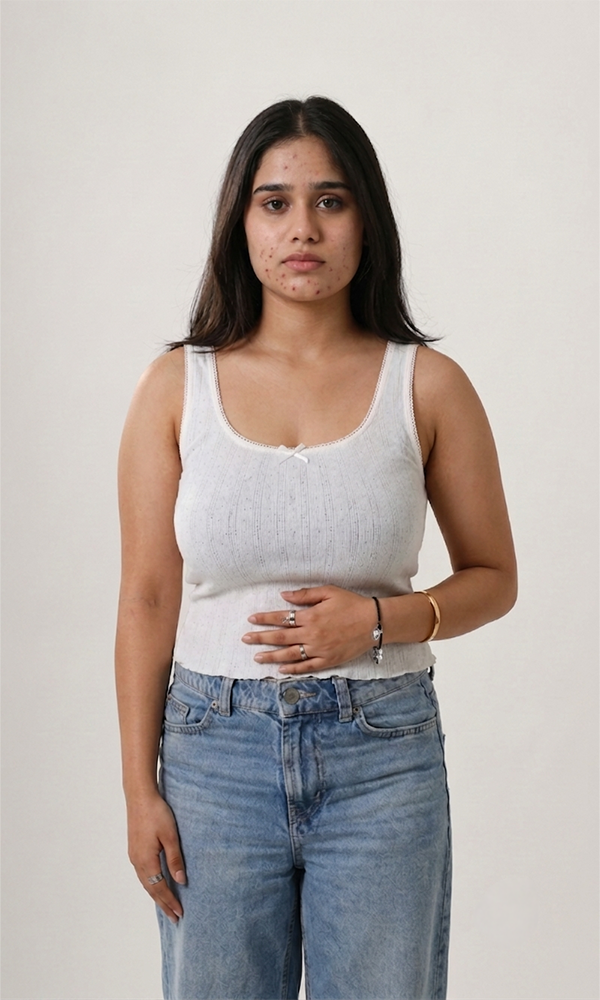
In Ayurveda, winter naturally increases Vata qualities—cold, dry, and rough. As moisture leaves the skin, the protective barrier weakens. Once this barrier becomes leaky, Pitta irritation expresses itself as redness, burning, flushing, and inflamed acne.
This is why skin that tolerated a face wash or serum in summer may suddenly sting in winter. The issue is not always the product—it’s the weakened barrier underneath.

Soothe with cooling, gentle herbs
Aloe vera gel (pure, fragrance-free), manjistha, licorice (yashtimadhu), and rose water are traditionally used to calm visible redness and heat. These herbs help comfort irritated skin without stripping moisture.
Seal in hydration
Apply a few drops of warm sesame or sweet almond oil on damp skin. This simple step helps trap moisture and protect the barrier from cold air.
Switch to gentler cleansing
Cleanse once at night with a mild, non-foaming, fragrance-free cleanser. In the morning, a simple water rinse is often enough for sensitive winter skin.
Support gut–skin balance
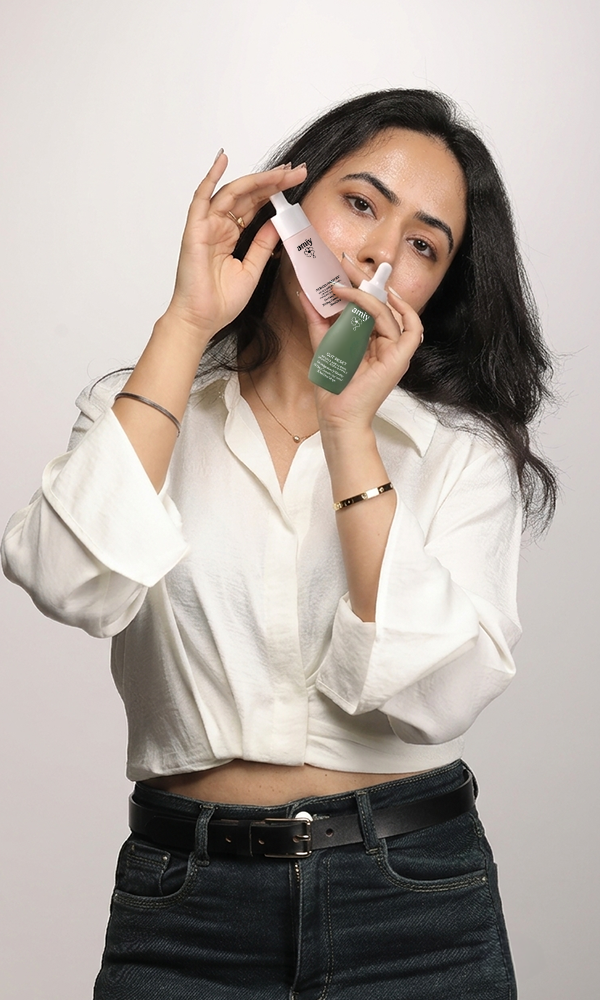
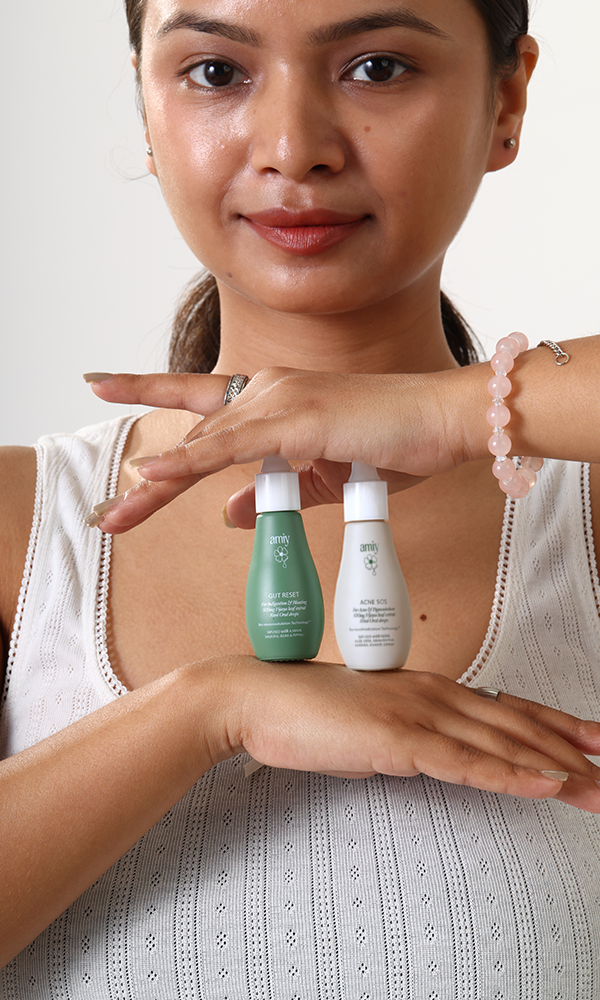
Warm water, soft foods like khichdi, and small amounts of ghee help counter internal dryness. Digestion and skin health are closely linked in Ayurveda, which is why supporting the gut can indirectly calm redness. Products like Gut Reset are often considered in holistic routines focused on internal balance.
Spot support for winter acne
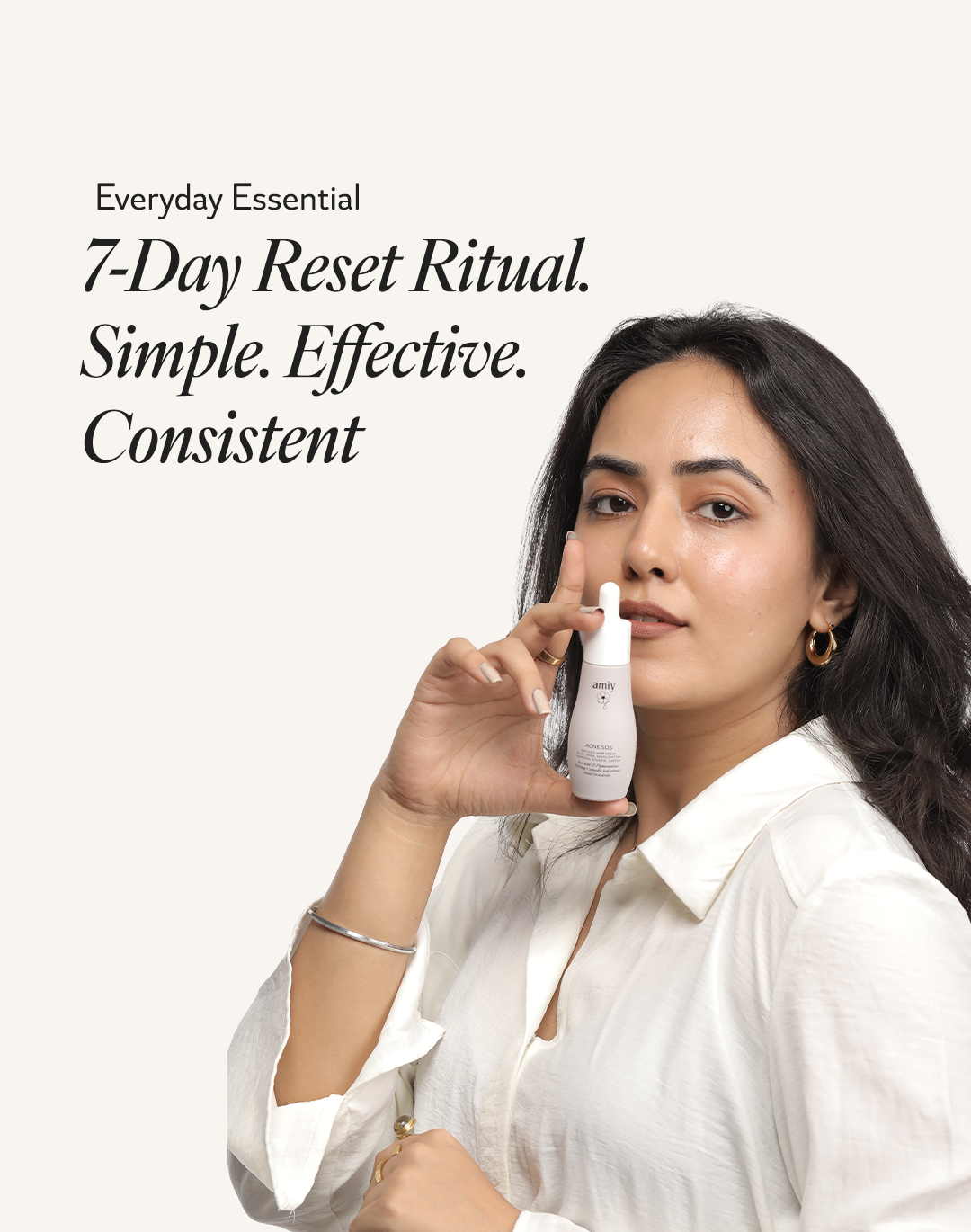
Instead of harsh scrubs, use a precise, non-drying clarifier like Acne SOS only on active bumps. This helps control breakouts without aggravating surrounding redness.
Sleep and stress care
Poor sleep and mental stress aggravate Pitta and worsen flushing. Simple breathwork, screen-free evenings, and a consistent bedtime can noticeably improve how skin behaves in winter.
The most effective approach is simple and consistent: cleanse → calm → seal.
Cleanse (night only)
Use lukewarm water and a gentle cleanser. Avoid high-foam or “deep clean” formulas in winter.
Calm
Apply aloe gel followed by a light serum with licorice or manjistha to reduce the appearance of redness and heat.
Seal
Lock everything in with 2–3 drops of sesame or almond oil on damp skin. In the daytime, layer a lightweight, non-comedogenic moisturiser.
Target
For inflamed spots, apply Acne SOS after the calming step—only where needed.
Protect
Use a broad-spectrum sunscreen daily. Winter sun combined with cold wind can still worsen redness and irritation.
Manjistha (Rubia cordifolia)
Traditionally used to cool excess heat and support an even-looking complexion.
Licorice (Yashtimadhu)
Known for its soothing nature and ability to support calmer, more uniform-looking skin tone.
Aloe vera
Hydrates, cools, and comforts tight, irritated winter skin.
Sandalwood & rose
Cooling and pleasant; best used as hydrosols or gentle pastes on non-broken skin.
Turmeric (in tiny amounts)
Supports a calm appearance but should always be patch tested to avoid irritation or staining.
If redness is part of a chronic condition like eczema or psoriasis, topical care alone may not be enough. Internal balance becomes equally important.

Amiy focuses on barrier-first care using Complex Plant Elixir™—synergistic botanicals designed to support calmer-looking skin—along with Bio-Neuromodulation™, which addresses stress-related flare triggers by supporting steady nerve signalling.
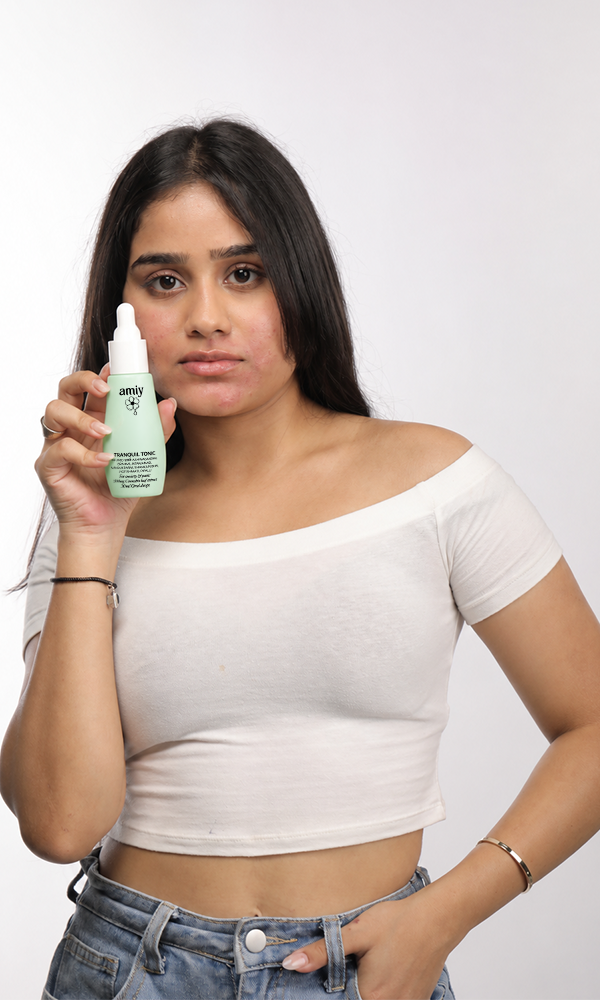
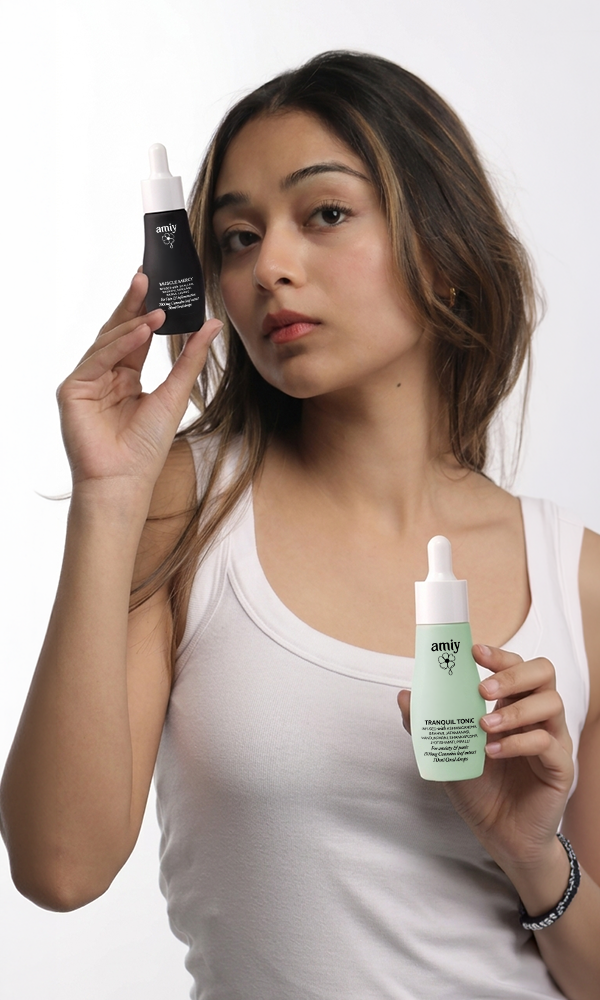
This is why routines often pair topical care like Acne SOS with internal balance support such as Tranquil Tonic in the evenings. Better sleep and calmer nerves often reflect on the skin by morning.
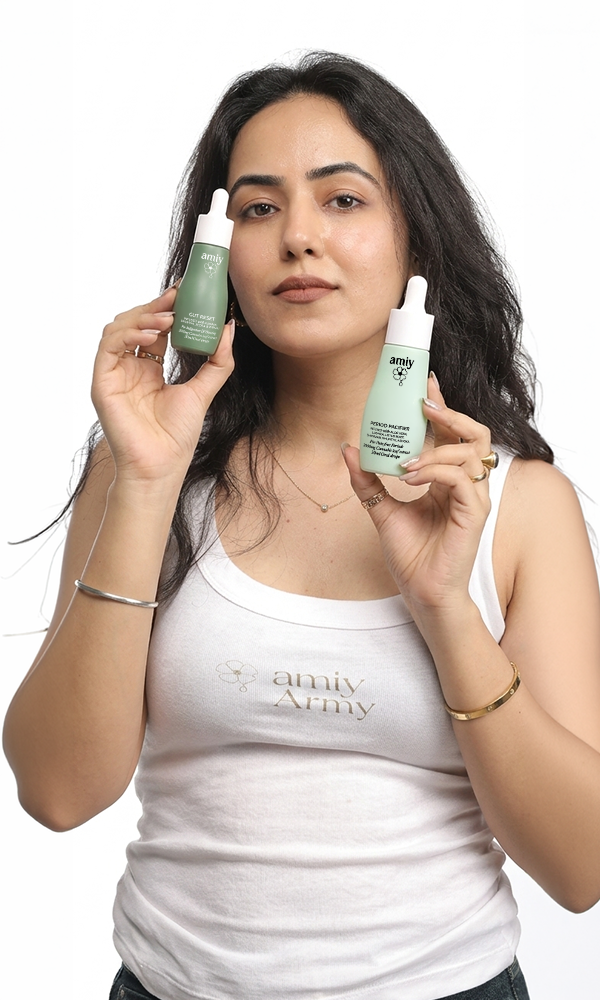
Digestive balance also plays a role in inflammatory flare-ups, which is why gut-focused support like Gut Reset is frequently part of a holistic winter routine. Hormonal balance matters too—especially for cyclical breakouts—making Period Pacifier relevant for those who notice redness worsening around their cycle.
(For joint or muscle stiffness that often increases in cold weather, Muscle Mercy is commonly explored as part of broader winter self-care.)
Best Skin Care for Cold Weather: Simple, India-ready Tips - Amiy Naturals
Winter skin protection: repair your barrier, stay soft - amiy naturals
This content is for educational purposes only and is not a substitute for professional medical advice. Please consult a qualified healthcare provider for personalised guidance.
Most calming herbs are gentle when used correctly. Keep formulas light, avoid heavy fragrance, and always patch test before full use.
Use a calming gel first, then apply a precise spot treatment like Acne SOS only where needed. Avoid alcohol-based toners and hot water.
Yes—use 1–2 drops on damp skin with non-comedogenic oils like almond or sesame. If clogged bumps appear, reduce quantity or frequency.
Mild redness often looks steadier within 7–14 days of consistent, gentle care. Deeper issues may take longer.
Yes. Warm, simple meals and good hydration help. Very spicy or extremely hot foods may worsen flushing in some people.
If your pimples feel angrier in cold weather, try Acne SOS as a targeted, non-drying step after your calming gel.
For stress-linked flare triggers and poor sleep, a gentle evening routine supported by Tranquil Tonic can help promote calmer-looking skin over time.