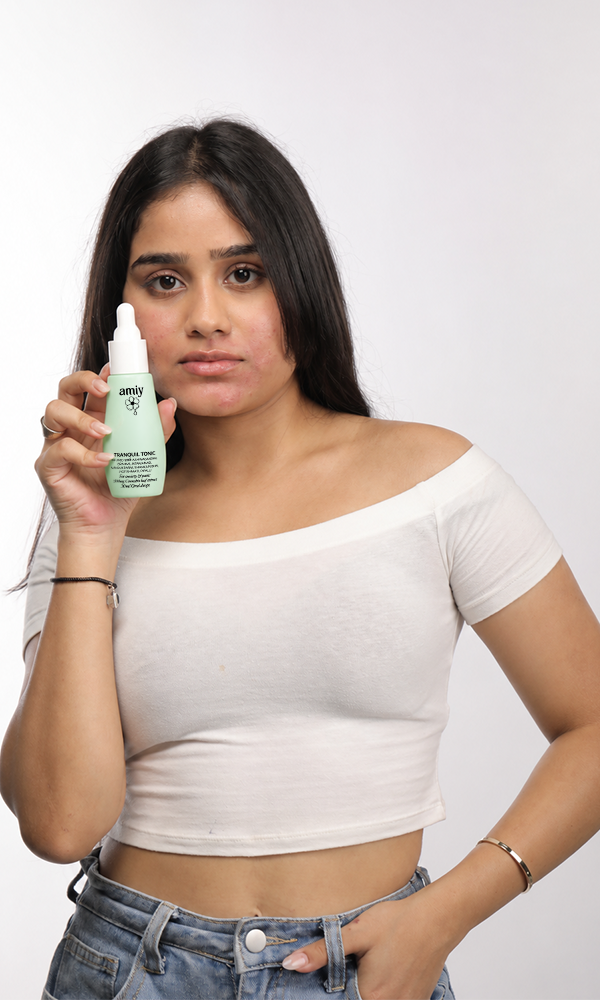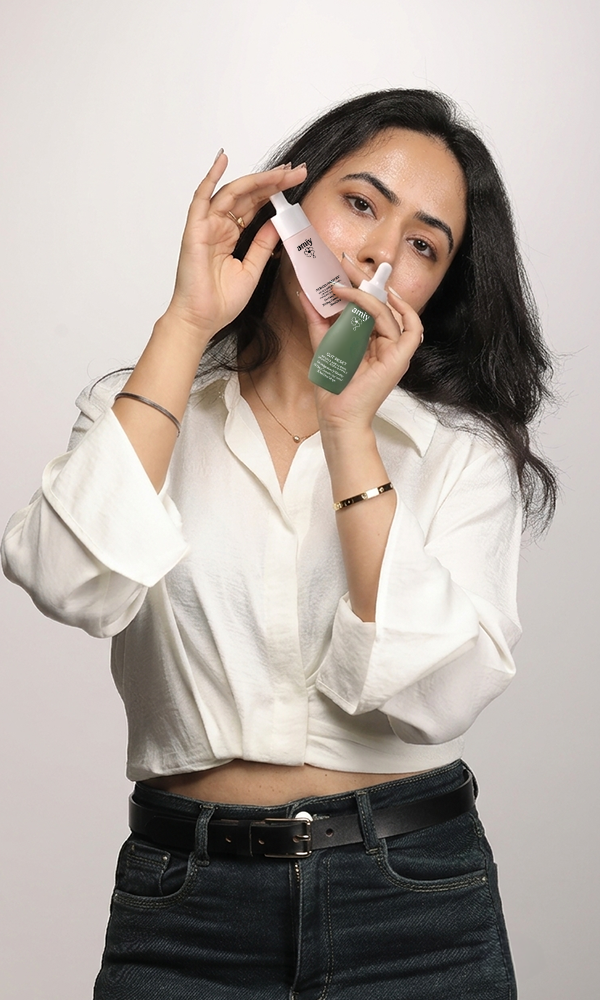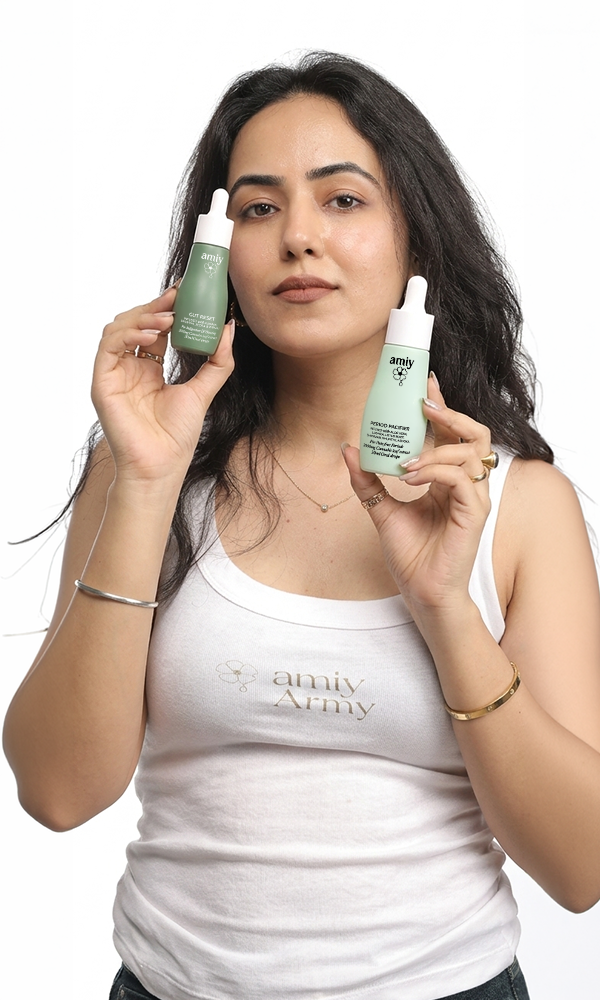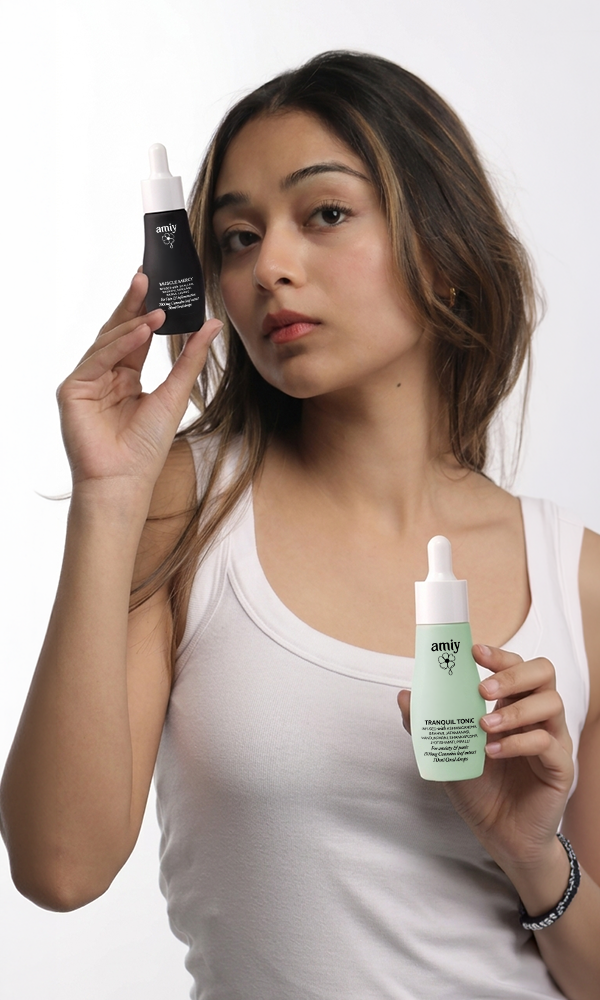

Explore why Ayurvedic drops lead in treating dry winter skin by supporting hydration, detoxification, and skin comfort from the inside out.

Cold air outside and dry indoor air can strip moisture from your skin. That is why Ayurvedic winter skin care focuses on gentle oiling, warm foods, and targeted oral drops. When used consistently, these practices may help reduce dryness, flaking, irritation, and winter pimples—without relying on harsh products or overloading the skin.
Ayurveda looks at winter as a Vata-dominant season, where dryness, roughness, and imbalance naturally increase. The goal is not quick cosmetic cover-up, but steady, inside-out support that helps skin stay calm, hydrated, and resilient.

Several factors combine to disturb the skin barrier during winter:
Quick tip: Keep baths lukewarm and short (7–10 minutes). Pat skin dry and seal moisture with oil plus moisturiser within 3 minutes.
Ayurveda balances dryness (Vata) with warmth, oiliness, and routine. Instead of aggressively treating symptoms, it supports the root causes—digestion, hydration, circulation, and inflammation balance.
A winter-friendly Ayurvedic approach includes gentle cleansing, Abhyanga (self-oil massage), warm and nourishing foods, and oral drops that support skin from within. This combination helps maintain the oil-water balance needed for comfortable, healthy skin.
Cleanse, not strip
Use a mild face wash once or twice daily. Avoid foaming or “deep clean” formulas that leave skin tight.
Abhyanga (2–3× per week)
Massage warm oil from neck down before bathing. Leave it on for 15–20 minutes. This supports circulation, softness, and overall skin comfort.
Face oil + moisturiser
Apply a few drops of a light face oil, then layer a moisturiser to lock hydration in.
SPF every morning
Winter sun can still cause tanning, pigmentation, and irritation.
Warm hydration
Sip warm water or herbal teas through the day to reduce internal dryness.
Sleep & stress support
Aim for 7–8 hours of sleep. Even 5 minutes of slow breathing at night helps regulate stress, which directly affects skin flare-ups.

Simple habits make the biggest difference when followed consistently:
Oral drops for skin care can also play a role by supporting digestion, detox pathways, and hydration from within—areas topical products cannot reach.
Topical creams mainly act on the surface. Oral drops work systemically, supporting internal balance that reflects on the skin. Many Ayurvedic blends focus on blood purification, inflammation balance, and digestive support.
When digestion and circulation are steady, skin often becomes less reactive, less itchy, and more evenly hydrated over time. This approach is especially useful for people whose dryness or acne keeps returning every winter.
Always use under guidance if you are pregnant, on medication, or managing a medical condition.
Winter acne often comes from mixed signals. Skin feels dry, so heavy creams are applied. At the same time, heaters, blankets, and layers cause sweating. Pores clog easily, leading to whiteheads, blackheads, and tender bumps.
This is why winter acne needs lighter topical care and better internal balance, rather than thicker creams.
Ayurvedic acne drops usually combine herbs that support digestion and blood purification. Over time, they may help reduce new breakouts, calm redness, and support faster recovery of active pimples—especially when paired with a simple, non-comedogenic routine.
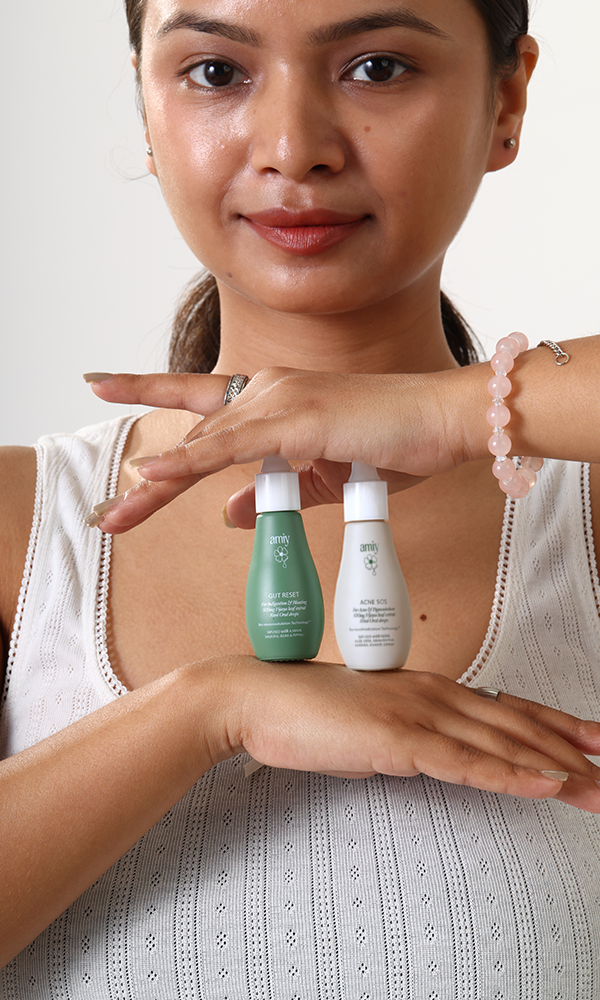
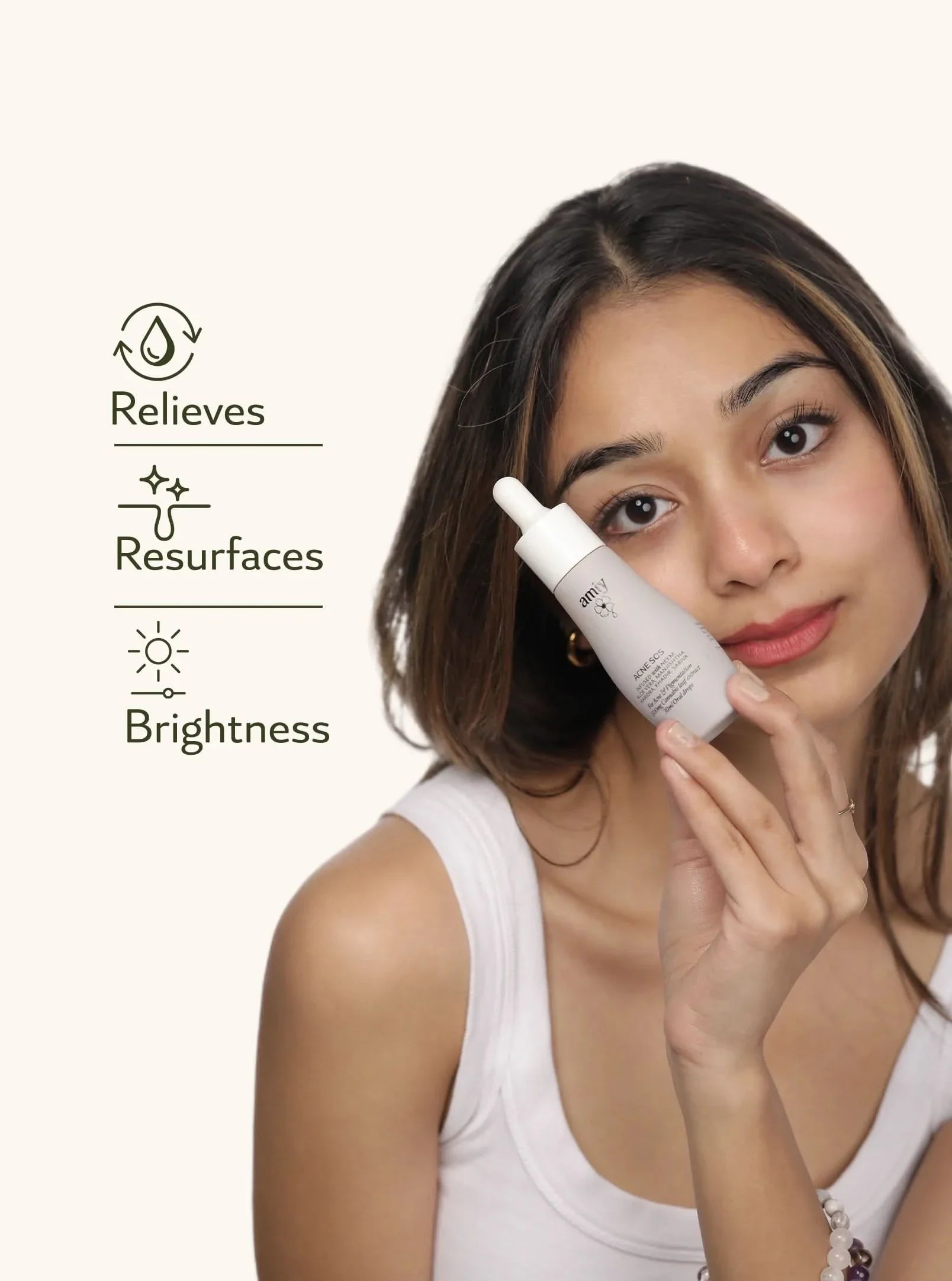
For inside-out acne support, explore Acne SOS, designed to work alongside gentle skincare rather than replacing it.
You may consider oral drops if:
Pair them with a gentle cleanser, 2–3 drops of light face oil, a gel-cream moisturiser, and daily sunscreen.
Some people experience red, itchy patches on elbows, legs, or hands during winter. Along with oiling and moisturising, oral drops that support detox and inflammation balance may help reduce the frequency and intensity of flares over time.
Explore supportive options within the Amiy Naturals skin range, and maintain a warm, nourishing diet.
Seek professional guidance if you notice:
A qualified practitioner can personalise herbs, diet, and routines based on your constitution.
Amiy Naturals uses doctor-formulated blends based on Bio-Neuromodulation™ (supporting balanced nerve communication) and Complex Plant Elixir™ (synergistic botanicals). The focus is on calming skin reactivity, supporting digestion, and encouraging long-term skin comfort—without exaggerated claims.
Seasonal support may also include products like Period Pacifier for hormonal balance and Muscle Mercy where cold weather stiffness and inflammation affect overall comfort and recovery.
Related Reads
Buy Ayurvedic Oral Drops for Fast Pimples Relief This Winter
Compare & Buy Oral Drops for Top Winter Itch Control
A: Use a light, non-comedogenic oil for the face and a richer oil for body Abhyanga. Always patch test and layer moisturiser after oil.
A: They support gradual balance. Expect reduced inflammation and fewer new breakouts over time rather than overnight clearing.
A: Usually yes when used as directed. If you use prescription products or are pregnant, consult your clinician.
A: Drops that support blood purification and inflammation balance may help when paired with oiling, moisturising, and warm diets.
A: Yes. Winter UV can still tan, irritate, and worsen pigmentation.
If winter dryness or acne keeps returning, consider inside-out support with oral drops alongside a light, consistent skincare routine. For acne-prone skin, explore Acne SOS and pair it with warm meals, gentle oiling, and mindful stress care. Track changes over 3–4 weeks and adjust gradually.
Medical disclaimer: This content is for educational purposes only and does not replace professional medical advice. Always consult a qualified healthcare provider for personalised care.