
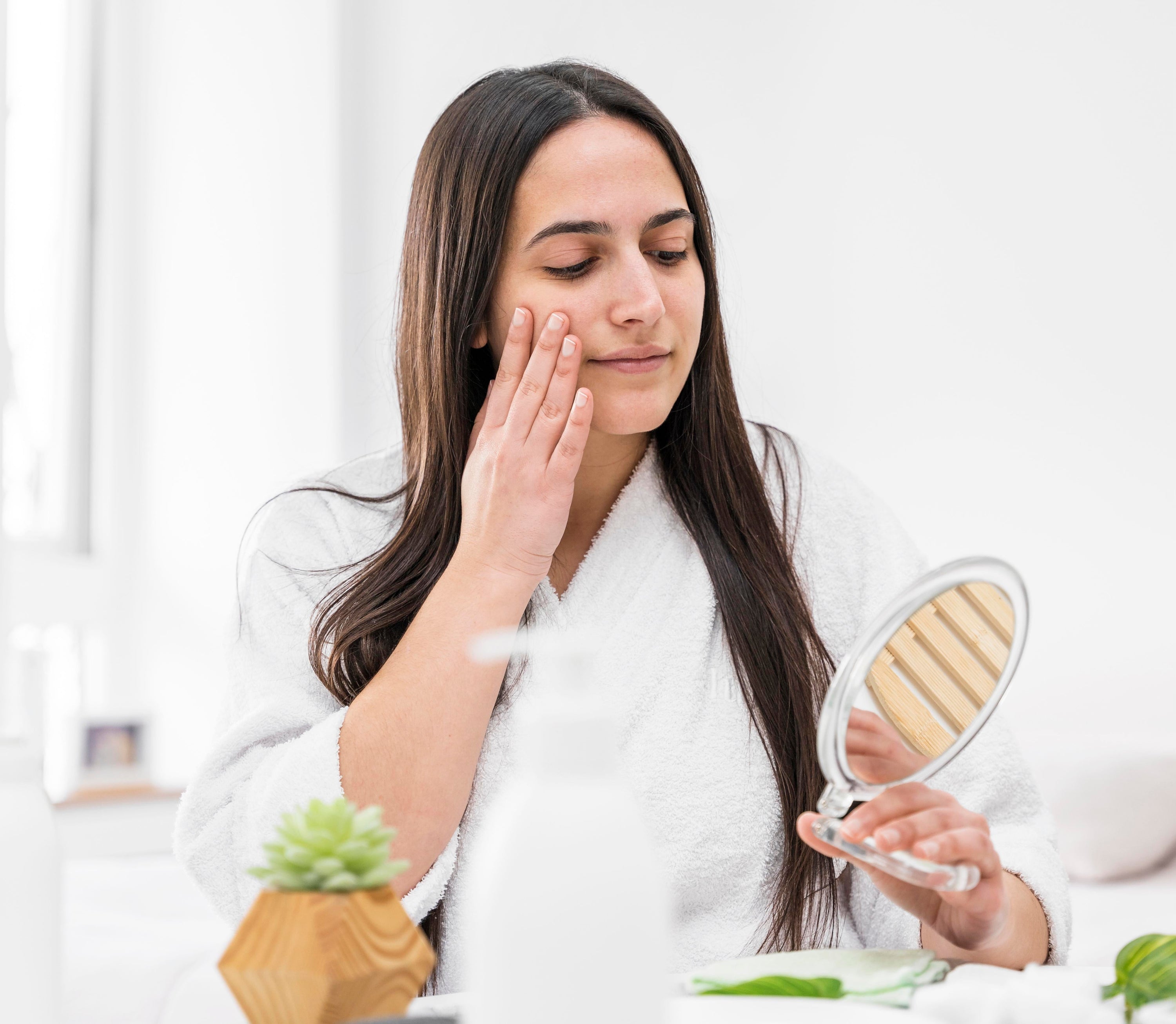
Winter skin care made easy. Protect your barrier, lock in moisture, and keep sensitive skin calm with a gentle routine.

Cold mornings, hot showers, and dry indoor air can quietly drain moisture from your skin during winter, leaving it tight, itchy, and dull. With a few gentle switches, winter skin care can remain simple yet effective. Think of your skin barrier as a warm sweater. When it stays intact, it locks in comfort and keeps irritants out. When it thins or tears, moisture escapes easily and sensitivity increases. The goal of winter care is to keep that protective layer strong and supported every day.
During colder months, the air naturally holds less moisture, which means water evaporates from skin faster. Indoor fans and heaters worsen this by pulling humidity out of the environment, creating a dry loop that affects both face and body. Long, hot baths may feel comforting but often strip away the skin’s natural oils, leaving it vulnerable. Harsh cleansing habits further weaken the barrier, while winter sun in India continues to impact skin health by quietly breaking down barrier strength even when temperatures are low.

A barrier-friendly winter routine works best when it stays short, warm rather than hot, and layered with intention. Cleansing twice daily with a mild approach helps remove impurities without disrupting comfort. Adding hydration on slightly damp skin allows moisture to bind more effectively, while sealing it in with a richer cream around dryness-prone areas like the cheeks and nose supports barrier repair. Morning protection and deeper nourishment at night help skin maintain balance through changing temperatures. If skin still feels tight a few minutes after moisturising, it is usually a sign that the barrier needs more cushioning rather than more products.
Small daily adjustments go a long way in winter. Keeping showers short and comfortably warm helps preserve natural oils. Avoiding rough exfoliation and instead using gentle friction occasionally prevents micro-damage. Adding moisture back into indoor air through simple habits like placing water near your bed can noticeably reduce overnight dryness. Drying skin gently and moisturising soon after bathing helps trap hydration. Drinking fluids regularly, choosing soft fabrics against the skin, and avoiding direct friction from rough materials all reduce irritation without requiring a full routine change.

Busy mornings benefit from a light-to-heavy approach that allows layers to sit comfortably on the skin. When winter air becomes very dry, mixing a drop of nourishing oil into your regular moisturiser can improve comfort without adding steps. Carrying a small cream for midday application on cheeks helps prevent tightness later in the day. Lip care is equally important, as lips lose moisture quickly in cold air and need frequent replenishment. Areas like the ears, neck, and hands are often forgotten but show dryness early, so they deserve the same attention as the face.
Winter dryness often shows up first on the body, especially arms, legs, and hands. Using a creamy wash helps reduce post-bath tightness, while applying lotion immediately after bathing supports moisture retention. Elbows, knees, and shins benefit from an extra protective layer at night. Hands, exposed to frequent washing, need regular care throughout the day to prevent cracking. Feet tend to dry out in winter as well, and consistent night care with socks can help soften rough skin over time.
Sensitive or redness-prone skin often reacts more strongly in winter, so the focus should be on calm and consistency. Simplifying the routine to a few dependable steps allows the barrier to recover. Fragrance-free choices reduce the chance of irritation, and patch testing new products helps prevent unexpected reactions. Barrier-supportive textures are especially helpful during flare-prone months. From an Ayurvedic perspective, traditionally calming botanicals such as aloe, licorice, and manjistha have long been associated with soothing the appearance of irritated skin when used consistently. Amiy’s approach integrates this philosophy through Bio-Neuromodulation™, which supports a calmer skin feel, and the Complex Plant Elixir™, designed to work synergistically with the skin barrier. This information is educational and not intended as treatment.
The first two days focus on switching to gentler cleansing and maintaining consistent moisturising with morning protection. By days three and four, adding hydration on damp skin and maintaining regular lip care improves comfort. Day five introduces very gentle exfoliation using soft friction only. On day six, a thicker night layer on dry areas provides deeper overnight support. Day seven is about observation—reduced tightness and fewer flakes indicate improved balance, while remaining dryness suggests adjusting cream thickness rather than adding complexity.
Skin comfort in winter is closely linked to everyday habits. Warm fluids and seasonal foods help maintain hydration from within. Proper room ventilation followed by closing windows helps balance air quality while keeping dust out. Laundry choices matter, especially for scarves and winter wear that touch the face, as residue can irritate sensitive skin. Masks and scarves should be washed or rotated regularly, since trapped sweat and friction can aggravate dryness and redness.
If winter dryness progresses to cracking that bleeds, persistent rashes, or spreading redness, professional guidance is important. Sudden swelling or burning after introducing a new product should not be ignored. Severe itching that disrupts sleep or thick, scaly patches may signal conditions such as eczema. A qualified clinician can assess symptoms and recommend appropriate care. This content remains educational and is not medical advice.
Winter skin protection: repair your barrier, stay soft - Amiy Naturals
Ayurvedic Pain Relief for Winter Muscles: Simple Daily Fixes | Amiy Naturals
A1: A beginner-friendly winter routine focuses on gentle cleansing, hydration on damp skin, consistent moisturising, and daily morning protection. At night, a slightly richer layer on dry areas helps reduce tightness. Keeping showers warm rather than hot also supports skin comfort.
A2: Shorter showers, a mild cleanser, moisturising soon after bathing, and adding a simple hydrating layer under your cream can significantly reduce dryness. Regular lip care and gentle drying habits also make a noticeable difference.
A3: Yes. Sun exposure continues year-round and can weaken the skin barrier even in cooler months. Daily protection helps maintain barrier strength and supports even-looking skin over time.
A4: Sensitive skin benefits from fragrance-free, barrier-focused products and fewer active steps. Patch testing and using a soothing cream, especially at night, can help reduce redness and discomfort.
A5: Very hot water removes natural oils from the skin. Warm water for a short duration followed by immediate moisturising is gentler and more supportive in winter.
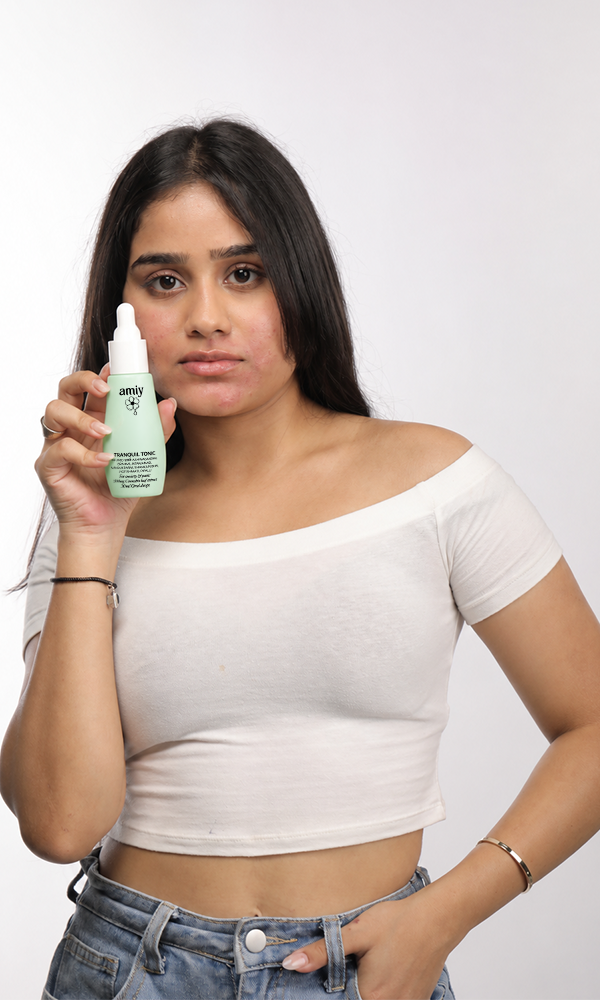
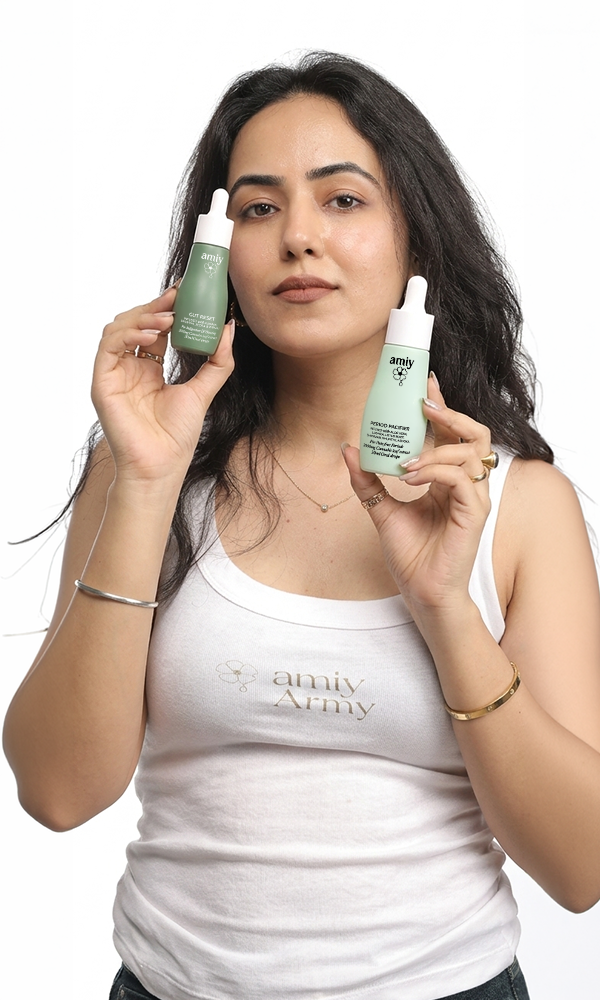
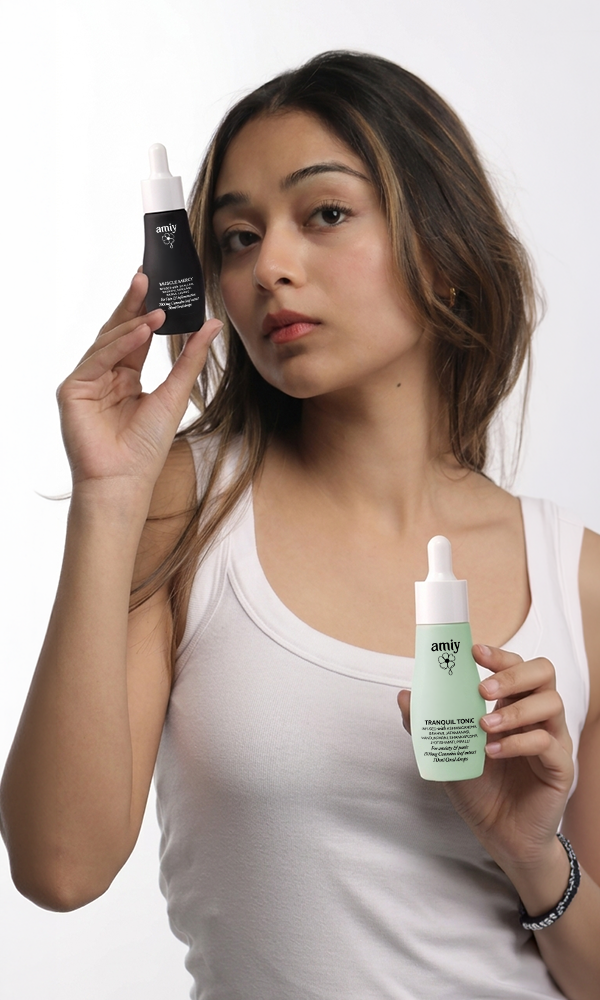
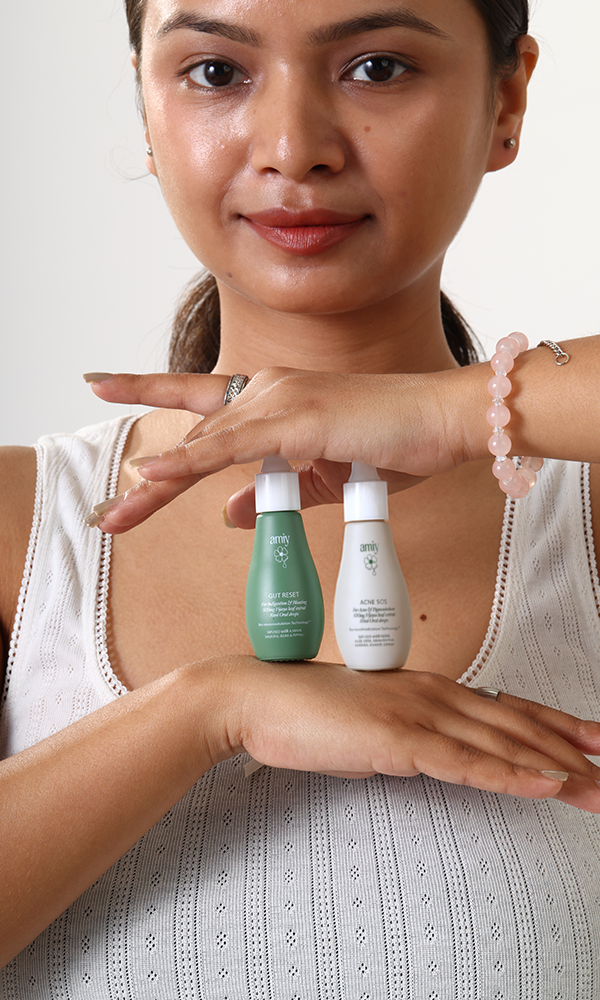
Winter skin care does not need to be complicated to be effective. By focusing on barrier support, gentle daily habits, and internal balance, skin can stay comfortable even in cold, dry conditions. If winter dryness, redness, or occasional breakouts are a concern, simplifying routines and supporting overall balance can make a visible difference. For acne-prone winter skin, Acne SOS is formulated to help calm visible redness and support clearer-looking skin. For inner balance that reflects outwardly, Gut Reset supports digestive harmony, which is closely linked to skin wellness. If muscle tension or seasonal discomfort affects rest and shows up on the skin, Muscle Mercy and Period Pacifier may support comfort through the winter months. For those seeking overall calm and balance during colder days, Tranquil Tonic aligns with a holistic winter wellness approach. Always choose what fits your needs and patch test new products first.
Medical disclaimer: This content is for education only and is not a substitute for professional medical advice. Please consult a qualified healthcare provider for personal care.