Acne SOS: Why Breakouts Keep Coming Back Even After Skincare Changes
If your skin clears for a few days and then breaks out again, you are not alone. Many people try product after product, yet the same pimples return in the same places. Acne SOS is often searched by people who want a deeper answer, not another surface-level fix.
Acne is rarely just a “skin problem.” It often reflects what is happening inside the body, especially with hormones, digestion, stress, and inflammation. That is why a routine that only treats the face can feel frustratingly incomplete.
Table of Contents
- 1. Introduction
- 2. Why acne keeps repeating
- 3. Hormones and acne
- 4. Gut balance and skin
- 5. Inflammation and clogged pores
- 6. Stress and flare-ups
- 7. Daily habits that quietly worsen acne
- 8. What a root-cause acne plan looks like
- 9. Where Acne SOS fits in
- 10. When acne needs medical review
- 11. FAQ Section
- 12. Conclusion
Key Benefits
- Why acne keeps repeating
- The skin is responding to internal signals
- Pores do not act by themselves. They respond to oil production, inflammation, microbes, and hormonal messages. When those signals stay active, breakouts return even if the surface looks calmer for a while.
- One trigger is rarely the whole story
- A person may blame one food, one cream, or one stressful week. In real life, acne usually comes from a mix of triggers working together. For example, poor sleep can raise stress hormones, stress can affect digestion, and digestion changes can influence skin flare-ups.
Hormones and acne
Androgens can raise oil production
Hormonal shifts can increase sebum, which makes pores more likely to clog. This often shows up around the jawline, chin, and lower face. It may worsen before periods, during stressful months, or with cycle changes.
Cycle-related breakouts often follow a pattern
If pimples appear at the same time each month, hormones may be part of the picture. That pattern matters because it points to timing, not just location. A useful acne plan pays attention to when the flare begins, how long it lasts, and where it appears.
Gut balance and skin
Digestion can affect the face
The gut and skin communicate through inflammation, immune activity, and the microbiome. When digestion feels off, the skin may also become more reactive. Bloating, irregular stools, heaviness after meals, and frequent cravings can all be useful clues.
Food is not the only factor
People often think acne means one food is “bad.” The reality is more complex. Meal timing, meal quality, gut irritation, and blood sugar swings may all influence how breakouts behave over time.
Inflammation and clogged pores
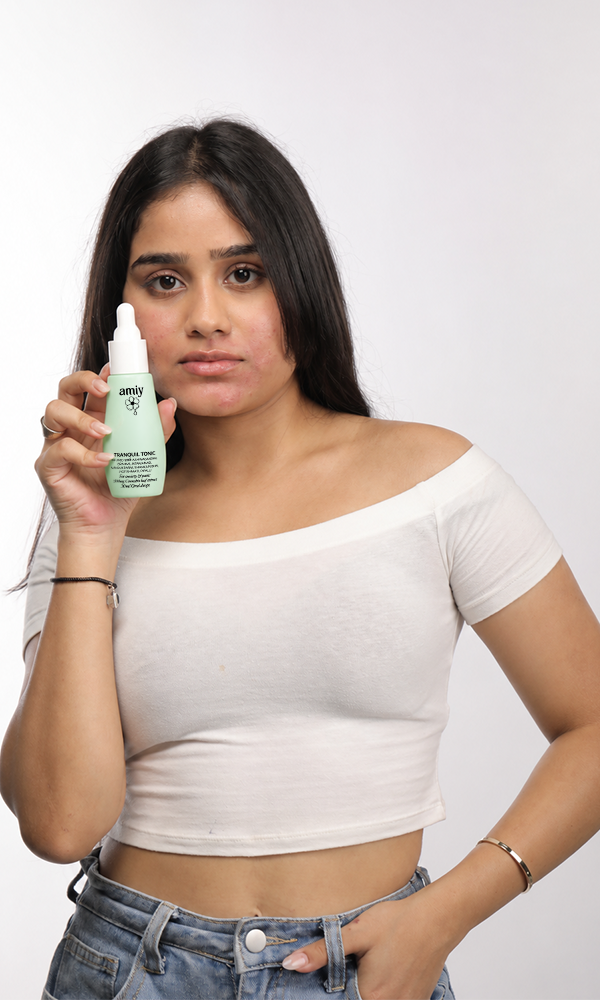
Redness often signals active irritation
Inflamed acne tends to look angry, tender, and swollen. That redness is not just cosmetic. It means the skin is reacting strongly, which can prolong healing and leave behind marks.
Picking makes the cycle longer
Touching or squeezing a pimple often pushes inflammation deeper. That can increase the risk of dark marks, delayed healing, and more visible irritation. Gentle handling is often more helpful than aggressive treatment.
Stress and flare-ups
Stress hormones can influence oil and repair
When stress stays high, the body may change oil output, sleep quality, and healing speed. That does not mean stress is the only reason for acne. It does mean a stressed body may make skin harder to calm.
Emotional pressure can show on skin
Many adults with acne also feel embarrassment, self-consciousness, or social stress. That emotional load can create a loop: stress affects the skin, and skin changes raise stress again. Breaking that loop matters.
| Daily habits that quietly worsen acne |
|---|
| Skincare overload can irritate |
| Too many activities, frequent scrubs, and harsh cleansing can disturb the skin barrier. A damaged barrier may become more sensitive, drier, or more inflamed, even if it still breaks out. |
| Sleep and hydration matter more than people think |
| Poor sleep can affect hormone balance and repair. Low fluid intake can make skin look dull and less resilient. Small daily patterns often matter more than one dramatic “fix.” |
What a root-cause acne plan looks like
Track patterns, not only pimples
A useful acne journal can note cycle timing, food reactions, digestion, stress, and sleep. Over time, patterns become easier to see. That helps move the focus from guessing to understanding.
Support the body, not just the spot
A root-cause approach may include simpler skincare, steadier meals, better sleep, stress regulation, and targeted internal support. The point is not to chase every pimple separately. The point is to reduce the conditions that keep creating them.
Steps
- Where Acne SOS fits in
- A deeper acne conversation
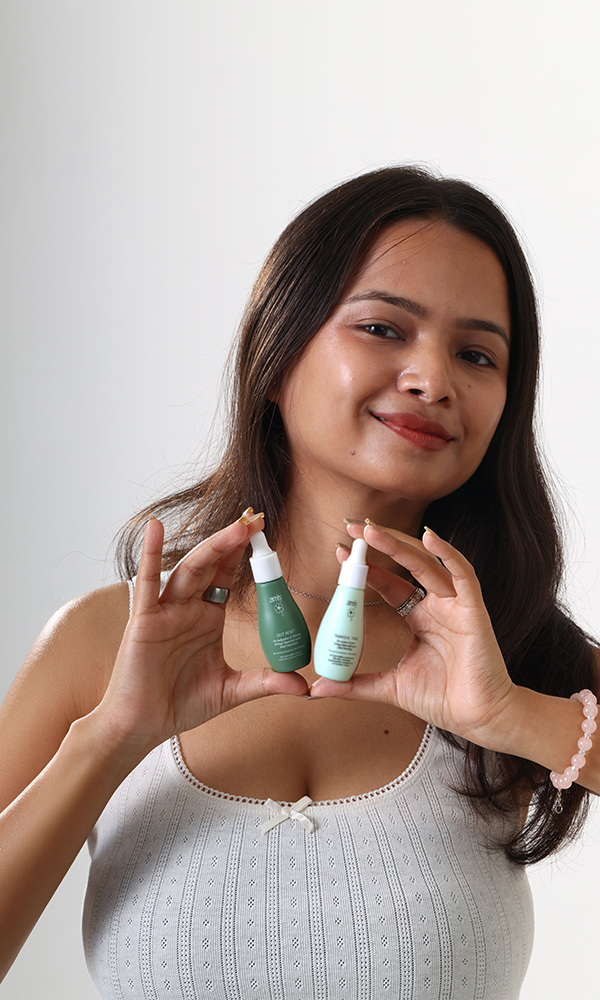
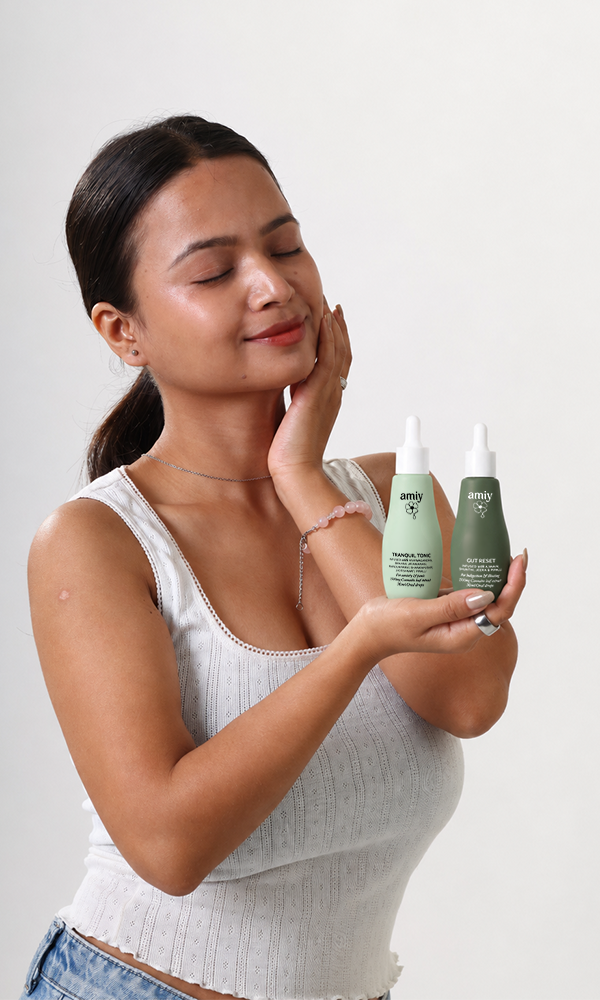
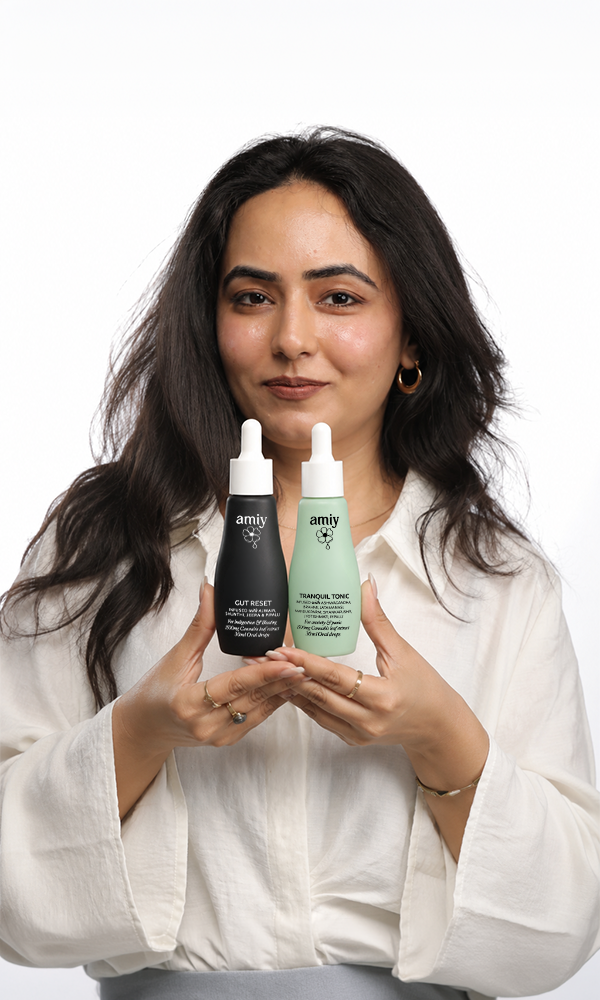
- People searching for Acne SOS often want something that fits a “from within” approach. The product page positions Acne SOS as an oral acne solution designed to work on acne, pigmentation, and uneven tone from inside the body.
- Why that matters in content strategy
- For your blog, this gives a strong angle: acne is not only about surface care. It is also about body balance, inflammation, and recurring triggers. That message supports topical authority without sounding salesy.
Related Resources
- When acne needs medical review
- Deep, painful, or scarring acne should not be ignored
- Persistent nodules, cysts, or acne leaving marks often need professional review. So does acne that begins suddenly, spreads fast, or comes with irregular periods or other hormone-related symptoms.
- Acne with other body symptoms deserves attention
- If acne appears with hair growth changes, scalp thinning, cycle changes, or digestive symptoms, a broader evaluation can be helpful. The skin may be giving an early clue.
Frequently Asked Questions
Why does acne keep returning after treatment?
Because the triggers may still be active. Hormones, digestion, stress, inflammation, and pore-clogging habits can keep restarting breakouts.
Can gut issues affect acne?
Yes. Digestion and skin often reflect each other through inflammation and microbiome changes.
Does stress really affect acne?
Stress can influence oil flow, sleep, and healing, which may make flare-ups more likely.
Why does acne appear on the jawline?
Jawline acne often follows hormonal patterns, especially around the menstrual cycle or during stress.
Can acne leave dark marks?
Yes. Inflamed acne can leave post-inflammatory pigmentation, especially when picked or squeezed.
Is Acne SOS meant for surface-only acne?
The product page presents Acne SOS as an oral solution designed to work from within, not only on the surface.
When should someone see a doctor for acne?
If acne is painful, scarring, sudden, or linked with cycle changes or other body symptoms, medical review is a smart step.
Acne that keeps returning usually has a deeper pattern behind it. When hormones, digestion, inflammation, stress, and daily habits are considered together, the picture becomes much clearer.
Soft CTA
If acne has felt repetitive and hard to understand, a more detailed look at body signals can help you choose a calmer, more informed path.