




Why Bloating After Meals Won't Go Away: The Gut Imbalance Pattern Many Miss
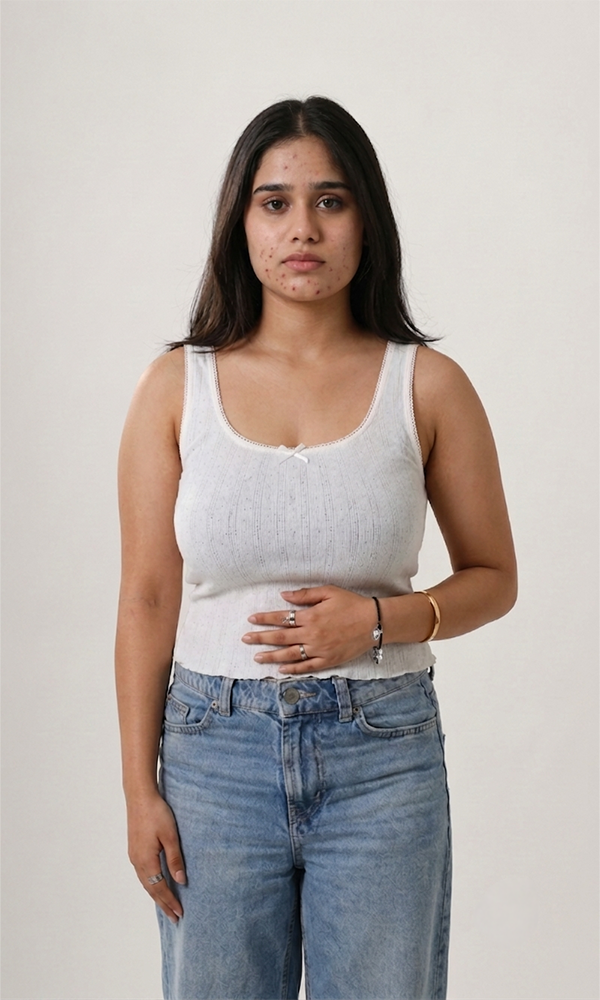
If you've noticed your stomach feels swollen, tight, or uncomfortable consistently after eating—no matter how much you eat or how slowly you chew—you're experiencing persistent bloating after meals. And if this happens daily or multiple times per week despite trying different approaches, you might wonder what's really causing it. Many people think bloating after meals is just about eating too fast, eating too much, or having a sensitive stomach. But persistent bloating often signals something deeper about your gut health. When the microbiome is imbalanced, food ferments improperly creating gas. When inflammation exists, digestive motility slows. When food sensitivity occurs, immune response triggers swelling. When motility is disrupted, food sits longer creating bloating. Understanding these connections changes how you approach bloating after meals. Simply eating slower or taking digestive aids might help temporarily, but if gut imbalance continues creating gas and inflammation, bloating returns. Let's explore what actually causes persistent bloating after meals, how gut microbiome affects digestion, why inflammation matters, and what approaches might help your digestive comfort improve.
Table of Contents
- 1. Why Bloating After Meals Won’t Go Away: The Gut Imbalance Pattern Many Miss
- 2. What Is Bloating After Meals?
- 3. Types of Post-Meal Bloating
- 4. Gut Microbiome and Bloating After Meals
- 5. How the Gut Microbiome Causes Bloating
- 6. Inflammation and Bloating After Meals
- 7. Food Sensitivity and Bloating After Meals
- 8. Motility Issues and Bloating After Meals
- 9. Lifestyle Factors Affecting Bloating After Meals
- 10. Natural Approaches for Bloating After Meals
- 11. When to Seek Help for Bloating
- 12. Conclusion
Key Benefits
- What Is Bloating After Meals
- Definition and Characteristics
- Bloating after meals refers to feeling swollen, full, or uncomfortable in the stomach area specifically after eating.
- Normal post-meal feeling:
- - Slight fullness after eating
- - Comfortable digestion
- - No swelling or tightness
- - Discomfort resolves quickly
- - No recurring bloating
- Bloating after meals:
- - Noticeable swelling
- - Stomach feels tight
- - Visible distension
- - Discomfort lasts hours
- - Recurring frequently
- Common symptoms:
- - Stomach looks swollen
- - Feeling overly full
- - Tightness or pressure
- - Gnawing discomfort
- - Gas or burping
- - All indicate bloating after meals
- Types of Post-Meal Bloating
- Different types suggest different causes.
- Food-based bloating:
- - Happens after specific foods
- - Dairy triggers it
- - Gluten causes it
- - High-fiber foods
- - Bloating after meals from food
- Microbiome-based bloating:
- - Happens after most meals
- - Fermentation creates gas
- - Bacteria imbalance
- - Improper digestion
- - Bloating after meals constant
- Inflammation-based bloating:
- - Stomach feels tight
- - Swelling persists
- - Discomfort lasting
- - Pain may occur
- - Bloating after meals severe
- Motility-based bloating:
- - Food sits too long
- - Slow digestion
- - Delayed emptying
- - Gas builds up
- - Bloating after meals prolonged
Gut Microbiome and Bloating After Meals
How Microbiome Causes Bloating
Your gut bacteria directly create bloating after meals.
Normal fermentation:
- Bacteria break down fiber - Produce helpful compounds - Gas minimal and normal - Digestion completes - No bloating occurs
Dysbiosis fermentation:
- Unhealthy bacteria increase - Break down food improperly - Excess gas produced - Food ferments longer - Bloating after meals develops
Gas production:
- Unhealthy bacteria produce hydrogen - Hydrogen combines with methane - Gas builds in intestines - Pressure increases - Bloating after meals occurs
Why this matters:When the microbiome is imbalanced, normal digestion becomes dysfunctional. Food isn't broken down properly. Instead, it ferments creating excess gas. This gas causes bloating after meals.
Specific Bacteria and Bloating
Certain bacteria specifically cause bloating after meals.
Bacteria causing bloating:
- Clostridium produces gas - Escherichia creates inflammation - Bacteroides overgrowth causes bloating - All increase bloating after meals
Bacteria reducing bloating:
- Lactobacillus reduces gas - Bifidobacterium improves digestion - Healthy strains prevent bloating - All decrease bloating after meals
Balance matters:When healthy bacteria dominate, digestion works well. When unhealthy bacteria dominate, bloating occurs. This balance determines whether you experience bloating after meals.
Inflammation and Bloating After Meals
How Inflammation Causes Bloating
Inflammation directly creates bloating after meals.
Inflammation pathway:
- Gut inflammation increases - Motility slows down - Food sits longer - Fermentation increases - Gas builds up - Bloating after meals develops
Specific effects:
- Intestinal lining swells - Absorption decreases - Digestion slows - Gas accumulates - Bloating after meals worsens
Sources of inflammation:
- Processed foods trigger inflammation - Added sugar causes inflammation - Industrial oils are inflammatory - All create bloating after meals
Why inflammation matters:Inflammation isn't just discomfort—it physically changes how your digestive system works. Swollen intestinal walls slow movement. Slower movement means food sits longer. Food sitting longer creates more gas. More gas causes bloating after meals.
Gut-Barrier Inflammation Connection Gut barrier damage increases inflammation and bloating after meals. Barrier function: - Intestinal lining blocks toxins - Selective absorption happens - Healthy barrier prevents issues - No inflammation occurs - No bloating after meals When barrier damaged: - Lining becomes permeable - Toxins leak into blood - Immune system activates - Inflammation increases - Bloating after meals develops Leaky gut effects: - Increased permeability - Toxin leakage - Immune activation - Chronic inflammation - Bloating after meals persistent Food Sensitivity and Bloating After Meals How Food Sensitivity Causes Bloating Food sensitivity triggers immune response causing bloating after meals. Sensitivity mechanism: - Food triggers immune response - Immune cells activate - Inflammation occurs locally - Swelling happens in gut - Bloating after meals develops Common trigger foods: - Dairy (lactose sensitivity) - Gluten (gluten sensitivity) - High FODMAP foods - Processed foods - All cause bloating after meals Why sensitivity happens: - Gut barrier damaged - Immune system overreacts - Normal foods trigger response - Inflammation increases - Bloating after meals occurs Specific Food Sensitivities Certain foods commonly cause bloating after meals. Dairy sensitivity: - Lactose not digested properly - Lactose ferments in gut - Gas produced excessively - Bloating after meals occurs - Common in adults Gluten sensitivity: - Gluten triggers inflammation - Intestinal lining swells - Digestion slows - Bloating after meals develops - Can be non-celiac FODMAP sensitivity: - Fermentable carbs not broken down - Bacteria ferment FODMAPs - Excess gas created - Bloating after meals severe - Common issue Processed food sensitivity: - Additives trigger response - Inflammation increases - Motility disrupted - Bloating after meals happens - Avoid processed items
Motility Issues and Bloating After Meals How Slow Motility Causes Bloating Slow digestive motility creates bloating after meals. Motility function: - Food moves through digestive tract - Emptying happens normally - No food sits too long - Gas doesn't accumulate - No bloating after meals When motility slow: - Food sits longer than normal - Fermentation increases - Gas builds up significantly - Pressure increases - Bloating after meals occurs Causes of slow motility: - Inflammation slows movement - Stress affects nerves - Poor diet disrupts rhythm - Hormone imbalance - All cause bloating after meals Why motility matters:Fast motility means food doesn't sit long. Food not sitting long means less fermentation. Less fermentation means less gas. Less gas means no bloating after meals. Slow motility reverses this completely. Stress and Motility Stress directly slows motility causing bloating after meals. Stress effects: - Stress activates nervous system - Nervous system affects gut - Motility slows down - Food sits longer - Bloating after meals develops Cortisol connection: - Stress increases cortisol - Cortisol affects gut nerves - Nerve signals disrupted - Motility decreases - Bloating after meals occurs Why stress matters:Chronic stress keeps nervous system in alert mode. Alert mode slows digestion. Slowed digestion creates bloating after meals. Managing stress improves motility and reduces bloating.
Steps
- Lifestyle Factors Affecting Bloating After Meals
- Diet and Bloating After Meals
- What you eat directly affects bloating after meals.
- Foods worsening bloating:
- - Processed foods (inflammation)
- - Added sugars (fermentation)
- - Refined carbs (gas)
- - Industrial oils (inflammation)
- - Dairy (if sensitive)
- - All increase bloating after meals
- How these worsen:
- - Inflammation increases
- - Microbiome imbalanced
- - Fermentation excessive
- - Gas produced
- - Bloating after meals severe
- Foods reducing bloating:
- - Diverse vegetables (microbiome)
- - Fermented foods (beneficial bacteria)
- - Whole fruits (fiber)
- - Lean proteins (digestion)
- - Healthy fats (motility)
- - All decrease bloating after meals
- How these help:
- - Microbiome balanced
- - Inflammation reduced
- - Digestion improved
- - Gas minimized
- - Bloating after meals less
- Stress Management and Bloating
- Stress management improves bloating after meals.
- Stress effects on gut:
- - Stress slows motility
- - Motility slow means bloating
- - Stress increases inflammation
- - Inflammation causes bloating
- - Bloating after meals worsens
- Stress management helps:
- - Reduces cortisol levels
- - Cortisol lower improves motility
- - Motility fast reduces bloating
- - Inflammation decreases
- - Bloating after meals improves
- Effective practices:
- - Deep breathing (5-10 minutes)
- - Mindfulness meditation
- - Gentle yoga
- - Walking outdoors
- - All reduce bloating after meals
- Sleep and Bloating After Meals
- Good sleep improves digestive function reducing bloating after meals.
- Sleep effects:
- - Sleep regulates hormones
- - Hormones affect gut
- - Gut function normalizes
- - Digestion improves
- - Bloating after meals decreases
- Poor sleep problems:
- - Poor sleep increases stress
- - Stress slows motility
- - Motility slow causes bloating
- - Inflammation increases
- - Bloating after meals worsens
- Sleep optimization:
- - 7-9 hours nightly
- - Consistent schedule
- - Dark room
- - Cool temperature
- - All improve bloating after meals
Related Resources
- Natural Approaches for Bloating After Meals
- Gut-Supportive Strategies
- Supporting gut health often reduces bloating after meals.
- Eat diverse plants:
- - Aim for 30+ plants weekly
- - Diversity supports microbiome
- - Microbiome balanced reduces gas
- - Gas reduced decreases bloating
- - Bloating after meals improves
- Include fermented foods:
- - Yogurt, kefir, sauerkraut
- - Add beneficial bacteria
- - Bacteria improve digestion
- - Digestion improves reduces gas
- - Bloating after meals decreases
- Adequate fiber intake:
- - 25-35g fiber daily
- - Fiber supports motility
- - Motility fast prevents bloating
- - Bloating prevented reduces issues
- - Bloating after meals less
- Stay hydrated:
- - 2-3 liters water daily
- - Water supports digestion
- - Digestion normal reduces bloating
- - Bloating reduced improves comfort
- - Bloating after meals better
- Reduce inflammatory foods:
- - Limit processed items
- - Cut added sugars
- - Avoid industrial oils
- - Inflammation decreases
- - Bloating after meals improves
- Eating Habits for Bloating
- Eating habits significantly affect bloating after meals.
- Eat slowly:
- - Chew food thoroughly
- - Digestion starts in mouth
- - Mouth digestion helps gut
- - Gut digestion easier
- - Bloating after meals less
- Don't overeat:
- - Smaller meals frequent
- - Less food per meal
- - Less food digested easier
- - Easier digestion reduces bloating
- - Bloating after meals decreases
- Meal timing:
- - Regular meal times
- - Consistent rhythm
- - Rhythm supports motility
- - Motility fast prevents bloating
- - Bloating after meals improves
- No drinking during meals:
- - Wait 30 minutes after eating
- - Liquid doesn't dilute enzymes
- - Enzymes work properly
- - Proper digestion reduces bloating
- - Bloating after meals better
- Movement and Bloating
- Gentle movement supports digestion reducing bloating after meals.
- Post-meal walking:
- - Walk 10-15 minutes after eating
- - Movement stimulates motility
- - Motility fast prevents gas
- - Gas prevented reduces bloating
- - Bloating after meals less
- Regular exercise:
- - Walk 20-30 minutes daily
- - Exercise improves motility
- - Motility improved reduces bloating
- - Bloating reduced improves comfort
- - Bloating after meals better
- Avoid intense exercise:
- - No heavy workouts after eating
- - Intense exercise slows digestion
- - Slow digestion increases bloating
- - Bloating increases worsens issues
- - Bloating after meals worse
- When to Seek Help for Bloating
- Signs Bloating Needs Evaluation
- Some situations warrant professional evaluation:
- Seek help if:
- - Bloating after meals severe
- - Bloating daily consistently
- - Bloating accompanied by pain
- - Weight loss unexplained
- - Blood in stool
- - Difficulty swallowing
- - All need professional care
- Other warning signs:
- - Bloating not improving
- - Lifestyle changes ineffective
- - Bloating limiting activities
- - Sleep affected by bloating
- - All suggest underlying issues
- Testing Considerations
- Some testing might identify causes:
- Testing options:
- - Gut analysis (microbiome)
- - Food sensitivity testing
- - Inflammation markers (CRP)
- - Motility testing
- - Helicobacter testing
- - All identify causes
- Testing confirms specific issues, guiding targeted approaches.
Persistent bloating after meals often indicates gut imbalance rather than just eating too fast. Bloating after meals happens when the gut microbiome ferments food improperly, creating excess gas. Dysbiosis causes food to sit longer in the digestive tract. Inflammation slows motility. Food sensitivity triggers immune response. This creates chronic bloating after meals that doesn't resolve with simple changes. Addressing gut balance through diverse plants, fermented foods, fiber, stress management, and good eating habits may reduce recurring bloating after meals more effectively than digestive aids alone. Understanding gut-microbiome-inflammation connections opens new approaches for managing persistent bloating. Supporting gut health through diverse plants, fermented foods, adequate fiber, stress reduction, good sleep, proper hydration, and gentle movement might help reduce bloating after meals. If bloating is severe, daily, or doesn't improve, testing identifies specific gut or food issues for targeted treatment.