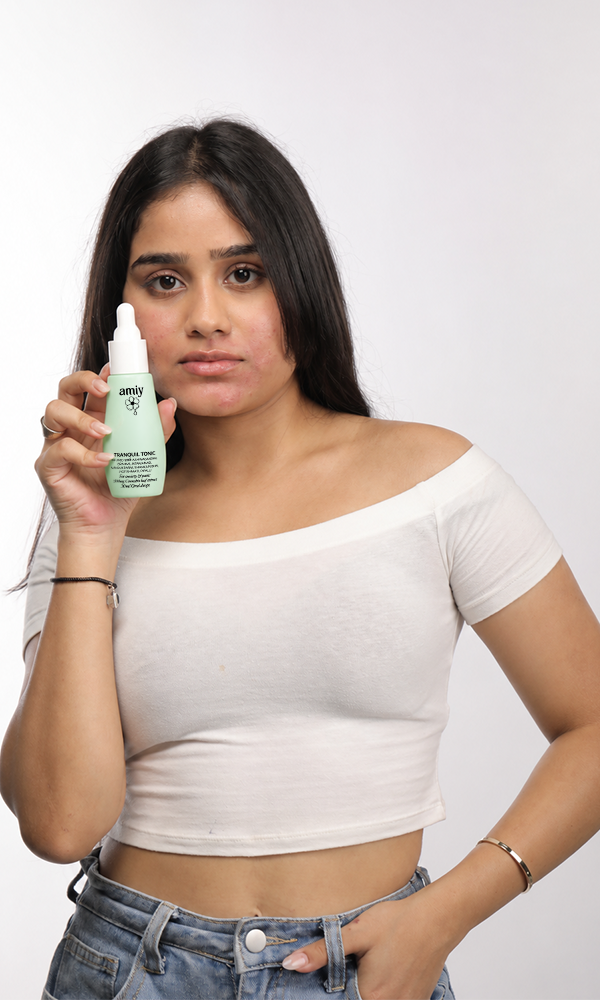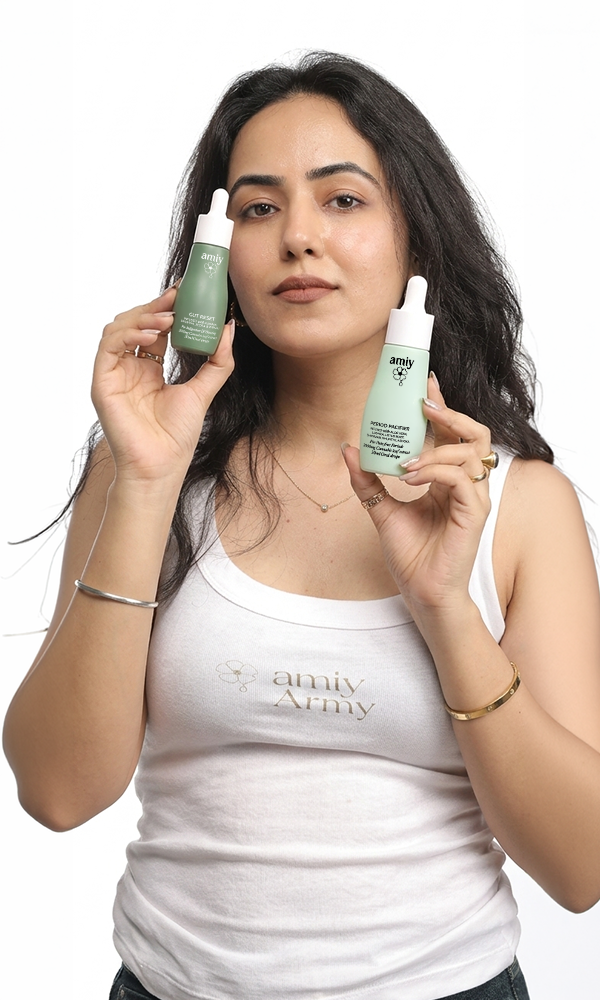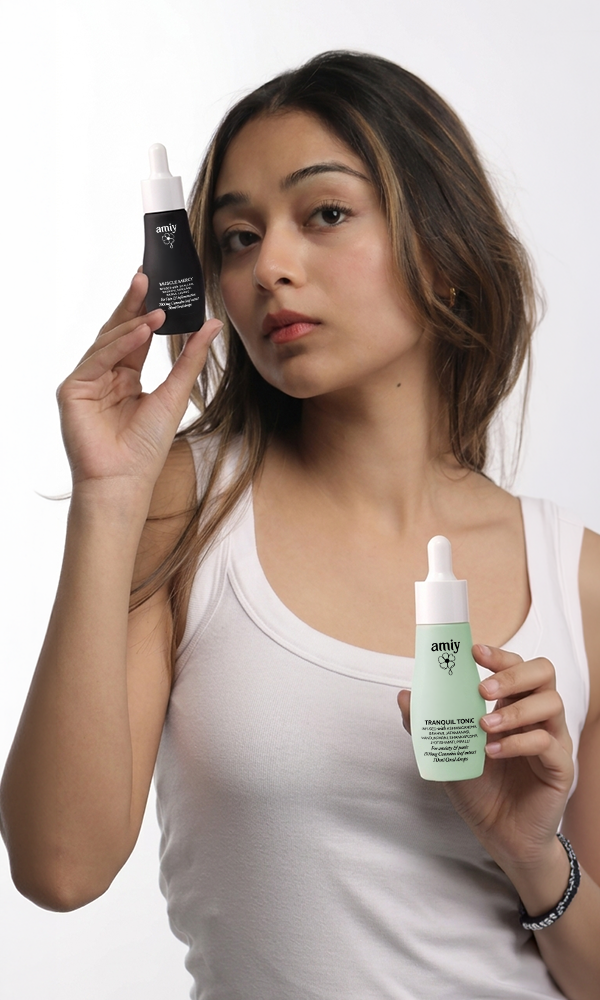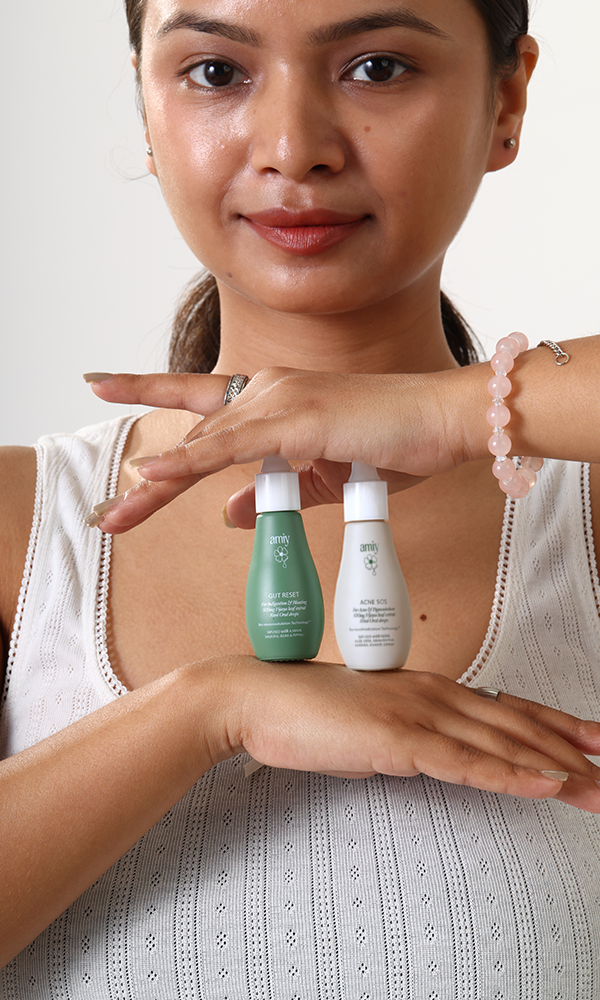



If you've noticed your skin reacting to products that never bothered you before, feeling flushed or irritated more easily, or developing redness and discomfort without clear triggers, you're experiencing skin sensitivity. And if this started suddenly or keeps happening, you might wonder why nothing seems to fix it. Many people think skin sensitivity is just about using the wrong products or having天生 sensitive skin. But persistent or sudden skin reactivity often signals something deeper about your internal health. When systemic inflammation is high, skin becomes more reactive. When gut imbalance exists, inflammation reaches skin. When hormones shift, skin barrier weakens. When stress is constant, inflammatory chemicals affect skin. Understanding these internal connections changes how you approach skin sensitivity. Simply switching to gentle products might help temporarily, but if internal inflammation continues driving reactivity, problems return. Let's explore what actually causes skin sensitivity, how internal inflammation affects skin, why gut health matters, and what approaches might help your skin feel better.
Gut-Skin Connection and Sensitivity
How Gut Health Affects Skin
Your gut microbiomedirectly influences skin sensitivity.
- Immune system signaling - Chemical signals through blood - Microbial metabolites - Inflammation circulation - All affect skin
- Bacteria produce inflammatory compounds - Compounds enter bloodstream - Blood carries to skin - Skin inflammation occurs - Skin sensitivity increases
- Dysbiosis increases inflammation - Inflammation reaches skin - Skin barrier weakens - Reactivity increases - Skin sensitivity worsens
This gut-skin connection explains why gut issues often accompany skin problems.
Gut Microbiome and Skin Barrier
Gut health affects skin barrier function.
- Keeps moisture in - Keeps irritants out - Protects from damage - Prevents infection - Maintains health
- Gut produces short-chain fatty acids - SCFAs support skin barrier - Beneficial bacteria make SCFAs - Dysbiosis reduces SCFAs - Barrier weakens - Skin sensitivity occurs
- Moisture escapes easily - Irrants enter freely - Damage happens frequently - Infection risk increases - Skin sensitivity develops
Supporting gut health strengthens skin barrier, reducing skin sensitivity.
Specific Gut Conditions and Skin
Certain gut issues correlate with skin sensitivity.
- Excess bacteria produce toxins - Toxins enter bloodstream - Blood reaches skin - Skin inflammation occurs - Skin sensitivity increases
- Reduced diversity changes signaling - Unhelpful bacteria increase inflammation - Inflammation reaches skin - Skin becomes reactive - Skin sensitivity worsens
- Gut lining becomes permeable - Toxins leak into blood - Blood carries to skin - Skin inflammation occurs - Skin sensitivity develops
Addressing gut conditions may reduce skin sensitivity.
Hormonal Changes and Skin Sensitivity
How Hormones Affect Skin Barrier
Hormones directly influence skin barrier function.
- Supports collagen production - Maintains skin thickness - Supports barrier function - Keeps skin hydrated - Reduces skin sensitivity
- Balances estrogen - Supports barrier repair - Reduces inflammation - Maintains health - Prevents sensitivity
- Estrogen dominance occurs - Progesterone decreases - Barrier weakens - Skin becomes reactive - Skin sensitivity develops
- Menopause reduces estrogen - Perimenopause causes fluctuations - PCOS creates imbalance - All affect skin - All increase sensitivity
Hormonal changes are common causes of sudden skin sensitivity in women.
Stress Hormones and Skin
Stress hormones affect skin reactivity.
- High cortisol increases inflammation - Inflammation reaches skin - Skin barrier weakens - Reactivity increases - Skin sensitivity develops
- Cortisol breaks down collagen - Skin becomes thinner - Barrier function decreases - Irrants enter easily - Sensitivity occurs
- Constant high cortisol - Continuous inflammation - Persistent barrier damage - Skin sensitivity persists - Doesn't resolve
Managing stress helps reduce cortisol-related skin sensitivity.
Dietary Factors and Skin Sensitivity
Foods That Worsen Skin Sensitivity
Certain foods increase inflammation affecting skin.
- Refined carbohydrates - Processed snacks - Fast food - All increase inflammation - All worsen sensitivity
- High sugar intake - Sweetened beverages - Desserts - Create inflammation - Increase skin sensitivity
- Vegetable oils - Soybean oil - Corn oil - Pro-inflammatory - Worsen sensitivity
- Excessive consumption - Dehydrates skin - Increases inflammation - Affects barrier - Increases sensitivity
- Inflammation increases systemically - Inflammation reaches skin - Skin becomes reactive - Skin sensitivity worsens - Products cause reactions
Avoiding these foods may reduce skin sensitivity.
Foods That Help Skin Sensitivity Certain foods reduce inflammation supporting skin. Colorful fruits/vegetables: - Provide antioxidants - Reduce inflammation - Support skin health - Protect barrier - Reduce sensitivity Omega-3 rich foods: - Fish (salmon, mackerel) - Walnuts - Chia seeds - Anti-inflammatory - Improve skin barrier Fermented foods: - Yogurt, kefir - Sauerkraut, kimchi - Support gut health - Reduce inflammation - Improve skin Healthy fats: - Olive oil - Avocado - Coconut oil - Support barrier - Reduce sensitivity How these help: - Inflammation decreases - Barrier strengthens - Skin becomes resilient - Reactivity decreases - Skin sensitivity improves Including these foods may reduce skin sensitivity. Stress Response and Skin Sensitivity How Stress Affects Skin Stress directly increases skin sensitivity. Stress effects: - Stress increases cortisol - Cortisol increases inflammation - Inflammation reaches skin - Skin becomes reactive - Skin sensitivity develops Nervous system impact: - Stress activates nervous system - Inflammatory chemicals release - Chemicals affect skin - Skin becomes sensitive - Reactivity increases Blood flow changes: - Stress changes blood flow - Skin flushes easily - Redness occurs - Heat increases - Skin sensitivity noticeable Why this matters:Stress isn't just mental—it creates physical changes affecting skin. Chronic stress keeps skin sensitivity persistent. Breaking the Stress-Skin Cycle Stress and skin create a cycle. The cycle: 1. Stress increases inflammation 2. Inflammation causes sensitivity 3. Sensitivity causes discomfort 4. Discomfort creates stress 5. More stress increases inflammation 6. Back to step 1 Breaking the cycle: - Reduce stress (daily practices) - Support skin (gentle care) - Both work together - Cycle reverses - Both improve Addressing both stress and skin together works better than focusing on just one.
Natural Approaches for Skin Sensitivity Inflammation Reduction Strategies Reducing inflammation often improves skin sensitivity. Anti-inflammatory diet: - Eat colorful fruits/vegetables - Include omega-3 rich foods - Limit processed foods - Cut added sugars - Avoid industrial oils - Less inflammation means less sensitivity Regular movement: - Exercise reduces inflammation - 150 minutes weekly moderate - Include strength training - Avoid overtraining - Movement supports skin health Stress management: - Stress increases inflammation - Practice daily relaxation - Get adequate sleep - Maintain connections - Lower inflammation reduces sensitivity Sleep optimization: - Sleep 7-9 hours nightly - Poor sleep increases inflammation - Inflammation worsens sensitivity - Better sleep reduces sensitivity Gut-Supportive Strategies for Skin Supporting gut health often improves skin. Eat diverse plants: - Aim for 30+ plants weekly - Diversity supports microbiome - Diverse microbiome reduces inflammation - Less inflammation improves skin - Skin sensitivity decreases Include fermented foods: - Eat yogurt, kefir regularly - Fermented foods add beneficial bacteria - Beneficial bacteria reduce inflammation - Less inflammation supports skin - Skin sensitivity improves Adequate fiber intake: - Consume 25-35g fiber daily - Fiber feeds helpful bacteria - Helpful bacteria produce SCFAs - SCFAs reduce inflammation - Less inflammation improves skin Stay hydrated: - Drink 2-3 liters water daily - Water supports skin barrier - Good barrier reduces sensitivity - Reduced sensitivity helps skin - Skin sensitivity decreases
Suddenly skin sensitivity often stems from internal triggers rather than just external products. Systemic inflammation from gut imbalance, poor diet, or chronic stress makes skin more reactive. Gut microbiome imbalance increases inflammation that reaches skin. Hormonal changes alter skin barrier function. Stress increases inflammatory chemicals affecting skin. Dietary factors like processed foods and sugar worsen inflammation. Addressing internal inflammation through diet diversity, fermented foods, fiber, stress management, and gentle skincare may reduce skin sensitivity more effectively than changing products alone. Supporting gut health through diverse plants, fermented foods, and fiber reduces inflammation reaching skin. Understanding internal triggers opens new approaches for managing skin sensitivity. Reducing inflammation through an anti-inflammatory diet, gut support, stress management, adequate sleep, and gentle skincare might help your skin feel better. If skin sensitivity is severe or doesn't improve, professional support and testing identify specific contributors.