





Anti-Inflammatory Diet for Acne: Complete Guide to Clear Skin Naturally
Introduction Acne is often treated as a purely dermatological concern, but emerging research clearly shows that it is a systemic inflammatory condition influenced by diet, hormones, and gut health. While topical treatments and medications can suppress symptoms, long-term control often requires addressing internal triggers - especially chronic inflammation driven by diet. The concept of an anti-inflammatory diet for acnehas gained strong traction in both modern dermatology and integrative medicine. Scientific evidence now connects high glycemic foods, dairy consumption, and imbalanced fatty acid intake with increased sebum production, hormonal disruption, and inflammatory cascades in the skin. In Ayurveda, this aligns closely with the imbalance of Pitta (inflammation, heat) and Kapha (oiliness, congestion) - a combination that manifests as red, painful, cystic acne or persistent comedonal acne. This blog takes a research-based comparative approach, analyzing: · Glycemic load and insulin signaling · Dairy and hormonal acne · Omega-3 vs Omega-6 fatty acids · Gut-skin inflammation pathways · Botanical and plant-based dietary approaches
Table of Contents
- 1. Introduction
- 2. Understanding Acne as an Inflammatory Disorder
- 3. Glycemic Load and Acne: What Research Says
- 4. Foods That Trigger Acne (High GL)
- 5. Dairy and Acne Connection: Myth or Reality?
- 6. Omega-3 Fatty Acids and Acne
- 7. Gut-Skin Inflammation Diet
- 8. Botanical / Integrative Diet for Clear Skin
- 9. Plant-Based Acne Diet Plan
- 10. Foods That Trigger Acne
- 11. Comparison: Anti-Inflammatory vs Western Diet
- 12. Hormonal Acne and Diet
- 13. Clinical Takeaways
- 14. Practical Implementation
- 15. FAQs
- 16. Conclusion
Key Benefits
- Understanding Acne as an Inflammatory Disorder
- Modern science identifies acne as a disease involving:
- - Increased sebum production
- - ·Follicular hyperkeratinization
- - Colonization by Cutibacterium acnes
- - Immune-mediated inflammation
- - Diet influences all four pathways.
- Key inflammatory mediators involved:
- · Insulin-like Growth Factor-1 (IGF-1)
- · Androgens (testosterone, DHT)
- · Pro-inflammatory cytokines (IL-6, TNF-alpha)
- · Oxidative stress markers
- An anti-inflammatory diet for acne works by modulating these pathways - reducing triggers and enhancing healing.
- Glycemic Load and Acne: What Research Says
- What is a Glycemic Load?
- Glycemic Load (GL) measures how quickly a food raises blood sugar levels and how much glucose it delivers.
- · High GL foods → rapid blood sugar spikes
- · Low GL foods → stable glucose levels
- Mechanism: How High Glycemic Diet Causes Acne
- High glycemic foods trigger:
- 1. Insulin spike
- 2. Increased IGF-1
- 3. Activation of mTORC1 pathway
- 4. Increased sebum production
- 5. Keratinocyte proliferation
- This leads to clogged pores and inflammation.
- Evidence from Studies
- · Clinical trials show that individuals following a low glycemic diet acne protocol experienced:
- o Reduced lesion count
- o Improved insulin sensitivity
- o Decreased androgen activity
- · A 12-week randomized study demonstrated significant improvement in acne severity in participants consuming low glycemic foods compared to high glycemic diets.
Foods That Trigger Acne (High GL)
Avoid or limit:
- White bread and refined flour - Sugary beverages - Processed snacks - Cakes, pastries - Instant noodles
Low Glycemic Alternatives
Include:
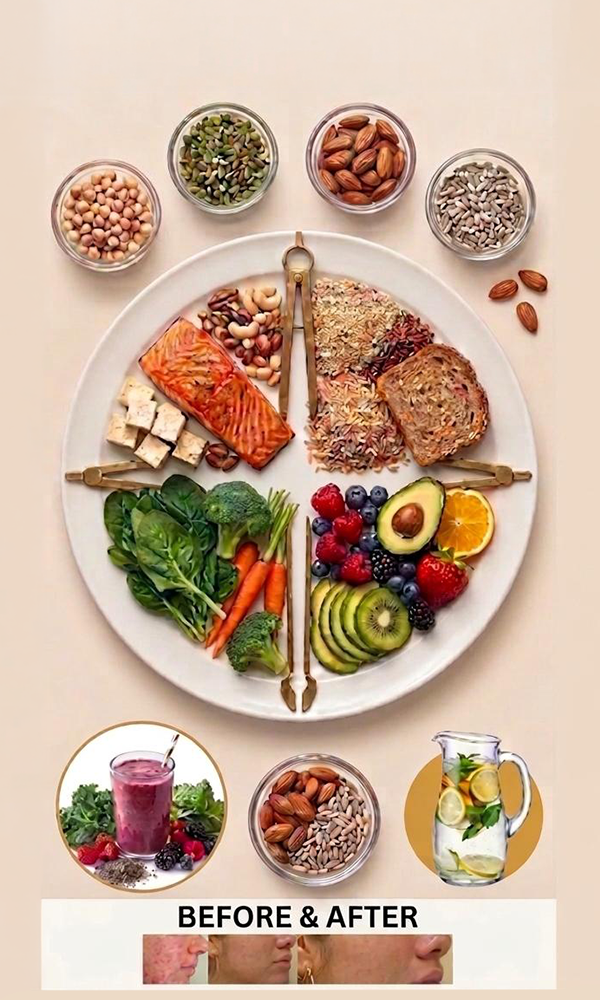
· Whole grains (millets, quinoa, oats)
· Legumes
· Vegetables
· Nuts and seeds
Ayurvedic Perspective
High glycemic foods aggravate:
· Kapha → oiliness, clogging
· Pitta → inflammation
Thus, reducing them directly supports acne healing.
Dairy and Acne Connection: Myth or Reality?
The dairy and acne connection is one of the most debated topics - but evidence increasingly supports a link.
How Dairy Influences Acne
Milk (especially skim milk) contains:
· Hormones (estrogens, progesterone precursors)
· Bioactive molecules that increase IGF-1
· Whey proteins that stimulate insulin secretion
Mechanism
Dairy consumption leads to:
1. Increased IGF-1 levels
2. Enhanced androgen signaling
3. Increased sebum production
4. Activation of inflammatory pathways
Research Evidence
· Observational studies show higher acne prevalence in individuals consuming more dairy.
· Skim milk shows stronger correlation than whole milk.
· Whey protein supplements are linked to sudden acne outbreaks in athletes.
Who Should Avoid Dairy?
· Hormonal acne (jawline, chin)
· PCOS-related acne
· Persistent inflammatory acne
Ayurveda Insight
Dairy is considered:
· Guru (heavy)
· Kapha-increasing
· Mucus-forming
When digestion (Agni) is weak, dairy leads to Ama (toxins)—which manifest in the skin as acne.
Alternatives
· Almond milk
· Coconut milk
· Oat milk
Omega-3 Fatty Acids and Acne Why Omega-3 Matters Modern diets are high in Omega-6 fatty acids, which promote inflammation. Omega-3 helps balance this ratio. Mechanism Omega-3 fatty acids: · Reduce inflammatory cytokines · Lower IGF-1 levels · Decrease leukotriene B4 (inflammatory mediator in acne) Evidence Studies show: · Supplementation with omega-3 reduces acne severity · Improves skin hydration and reduces redness Sources of Omega-3 Plant-based: · Flaxseeds · Chia seeds · Walnuts Animal-based: · Fatty fish (salmon, sardines) Ideal Ratio Healthy ratio: Omega-6 : Omega-3 = 4:1 or lower Typical modern diet: 15–20:1 (pro-inflammatory)
Plant-Based Acne Diet Plan A well-structured acne diet plan plant-based can significantly reduce inflammation. Morning · Warm water with turmeric · Fruit + soaked nuts · Herbal tea Breakfast · Oats with seeds · Smoothie (spinach, flaxseed, berries) Lunch · Millet or brown rice · Dal or legumes · Cooked vegetables Evening · Herbal infusion · Nuts or seeds Dinner · Light meal · Vegetable soup · Quinoa or khichdi Avoid · Sugar · Dairy · Fried foods · Processed snacks
Steps
- Foods That Trigger Acne
- Common triggers include:
- High Glycemic Foods
- · White rice (excess)
- · Sugary drinks
- Dairy
- · Milk
- · Cheese
- · Whey protein
- Processed Foods
- · Chips
- · Fast food
- Excess Omega-6
- · Refined vegetable oils
- Comparison: Anti-Inflammatory vs Western Diet
- Factor | Anti-Inflammatory Diet | Western Diet
- Glycemic Load | Low | High
- Dairy | Minimal | High
- Omega-3 | High | Low
- Processed Food | Minimal | High
- Inflammation | Reduced | Increased
- Acne Risk | Lower | Higher
Related Resources
- Hormonal Acne and Diet
- Diet plays a major role inhormonal acne.
- Triggers
- · Insulin resistance
- · Dairy hormones
- · High glycemic load
- Solution
- · Low glycemic diet
- · Dairy elimination
- · Omega-3 supplementation
- Clinical Takeaways
- Research strongly supports dietary modification as part of acne treatment:
- 1. Low glycemic diets reduce acne severity
- 2. Dairy elimination benefits many individuals
- 3. Omega-3 reduces inflammation
- 4. Gut health directly impacts skin
- 5. Botanical diets enhance healing
- Practical Implementation
- Step-by-Step
- 1. Eliminate high glycemic foods
- 2. Reduce or stop dairy
- 3. Add omega-3 sources
- 4. Improve gut health
- 5. Include herbal support
Frequently Asked Questions
Conclusion Acne is not just a skin problem - it is a reflection of internal inflammation, metabolic imbalance, and gut dysfunction. The evidence supporting an anti-inflammatory diet for acne is now strong, bridging modern dermatology and traditional systems like Ayurveda. By addressing: · Glycemic load · Dairy consumption · Fatty acid balance · Gut health …we can achieve sustainable acne management from within. An integrative, plant-based, and botanical-rich dietary approach offers a powerful, natural pathway toward clear, healthy skin - without relying solely on external treatments.