




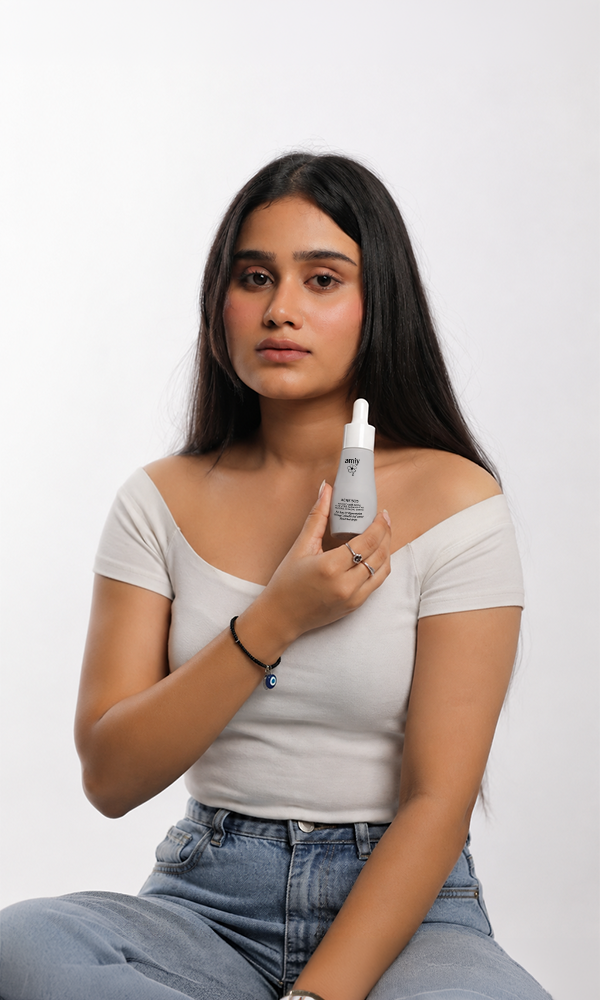

You’ve probably seen claims that a few drops a day can transform your skin. The big question is: can oral dropsclear acne in a meaningful way, or is it just marketing? Topical treatments act on the surface, but a growing body of research points to internal factors like gut health, inflammation, hormones, and stress as key drivers of breakouts. Liquid oral supplements aim to work on those root signals. This guide looks at how they work, what science supports them, and what you can realistically expect.
How oral drops differ from pills and topicals
Liquid vs tablet
Oral drops are liquid formulations taken by mouth, usually measured in droppers or small cups. Compared with tablets or capsules, they may:
- Be absorbed more quickly in the digestive tract - Be easier to adjust in dose (for example, increasing or decreasing by a few drops) - Contain plant extracts, vitamins, minerals, or probiotics in solution
They are not the same as prescription medications. Most oral acne drops fall into the supplement or nutraceutical category.
Internal vs topical
Topical products work where you apply them: unclogging pores, killing bacteria, and reducing local inflammation. Oral drops aim to shift internal conditions that feed acne:
- Calming systemic inflammation - Supporting a healthier gut microbiome - Modulating stress and hormone signals that affect oil production
Many people use both: topicals for daily pore care and internal drops for longer-term balance.
What does science say about oral supplements for acne?
While “oral drops” as a format are less studied than specific ingredients, research on oral nutraceuticals gives useful clues.
Probiotics and gut-skin axis
Studies suggest that probiotics can help some people with acne by:
- Supporting a more balanced gut microbiome - Reducing markers of inflammation - Potentially influencing hormone and immune signals that affect skin pubmed.
Not every probiotic is the same, and results vary, but the gut-skin connection is now well recognized in dermatology research.
Vitamin D
Low vitamin D levels have been linked to worse acne in several studies. Supplementation in deficient individuals has shown improvement in acne severity in some trials.
Green tea extract
- Reduce oil production - Calm inflammation - Provide antioxidant support to skin
Some clinical studies report fewer lesions and reduced oiliness with oral green tea extract.
Other plant-based compounds
Certain herbal blends and plant extracts are studied for their anti-inflammatory and antioxidant properties. Evidence is more limited than for prescription drugs, but early research and traditional use suggest they may help as part of a broader routine.
Can oral drops clear acne on their own? For mild to moderate acne, some people do see meaningful improvement using internal supplements alone, especially when they also improve diet, sleep, and stress habits. For moderate to severe, cystic, or scarring acne, oral drops are unlikely to be enough on their own. In those cases, prescription oral acne medication or other medical therapies are usually needed, with supplements used as supportive care. Think of oral drops as a tool that can: - Reduce background inflammation - Support gut and stress balance - Help your skin respond better to other treatments They’re not a magic cure, but they can play a real role in an inside-out plan.
How oral acne drops may work While formulations differ, many aim to act on a few key pathways: Calming inflammation Chronic, low-grade inflammation can make pores more reactive and slow healing. Plant-based ingredients with antioxidant and anti-inflammatory properties may help lower this internal “noise.” Supporting gut health An imbalanced gut can increase circulating inflammatory molecules and affect hormone processing. Ingredients that support beneficial bacteria and gut barrier function may indirectly improve skin. Modulating stress response High or erratic cortisol can increase oil production and impair skin repair. Some botanicals are studied for their ability to support a calmer stress response, which may reflect in fewer stress-related breakouts. Nourishing skin from within Vitamins, minerals, and phytonutrients provide building blocks for skin repair, antioxidant defense, and healthy oil production. Realistic expectations and timelines If you start using oral drops today, what should you expect? - First 2–4 weeks: You might notice subtle changes like less oiliness, slightly calmer redness, or fewer new spots after stress or poor sleep. - 6–8 weeks: More consistent reduction in breakouts for some users, especially if gut and stress factors were strong drivers. - 8–12 weeks and beyond: This is a more reliable window to judge whether a product is helping. Internal shifts take time to show on the surface. Results depend on your baseline acne severity, other treatments you use, and lifestyle factors.
The short answer is: yes, oral drops can play a real role in clearing acne for some people, especially when breakouts are linked to gut imbalance, inflammation, and stress. They’re not a substitute for medical treatment in severe cases, but they can be a useful part of an inside-out strategy that also includes smart skincare and lifestyle habits.


