


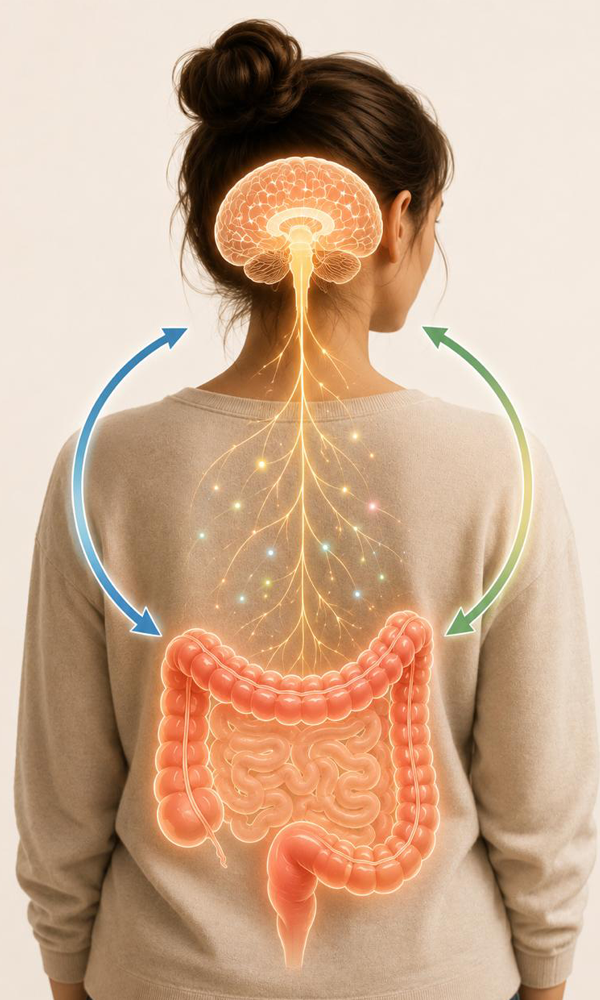


Gut-Brain Axis and Mental Health: How Gut Health Affects Mood
Introduction Mental health disorders such as anxiety, depression, and chronic stress are no longer viewed as purely neurological conditions. Emerging clinical evidence highlights a powerful, bidirectional communication system known as the gut-brain axis, linking gastrointestinal health with emotional and cognitive function. The concept of gut brain axis mental health integrates neuroscience, immunology, and microbiology - revealing that the gut microbiome plays a critical role in mood regulation, neurotransmitter production, and stress response. In Ayurveda and traditional botanical medicine, this relationship has long been recognized through concepts such as: · Manas (mind) - Sharira (body) connection · Agni (digestive fire) · Ama (toxins) · Sattva - Rajas - Tamas balance This blog explores the clinical mechanisms of the gut-brain axis, the role of microbiome diversity, and how Gut Reset Oral drops can support mental health by addressing gut dysfunction at its root.
Key Benefits
- What is the Gut-Brain Axis?
- The gut-brain axis is a bi-directional communication network connecting:
- · Central nervous system (brain)
- · Enteric nervous system (gut)
- · Immune system
- · Endocrine system
- · Gut microbiome
- Communication Pathways:
- 1. Neural Pathway - via the vagus nerve
- 2. Immune Pathway - cytokine signaling
- 3. Endocrine Pathway - hormones (cortisol, serotonin)
- 4. Microbial Metabolites - SCFAs, neurotransmitters
- Gut Microbiome Diversity: Why It Matters
- A healthy gut contains trillions of microorganisms.
- High Microbiome Diversity:
- · Balanced mood
- · Strong immunity
- · Efficient digestion
- Low Diversity (Dysbiosis):
- · Anxiety
- · Depression
- · Inflammation
- This forms the basis of gut microbiome anxiety and microbiome depression.
- Serotonin Production in the Gut
- Approximately 90 - 95% of serotonin is produced in the gut.
- Functions of Serotonin:
- · Mood regulation
- · Sleep cycles
- · Appetite control
- Microbiome Role:
- · Certain bacteria stimulate serotonin production
- · Dysbiosis reduces serotonin availability
- This explains serotonin gut production in mental health.
- Gut Bacteria and Mood Regulation
- Gut microbes influence mood through:
- · Neurotransmitter production
- · SCFA synthesis
- · Immune modulation
- Key Neurotransmitters Produced:
- · Serotonin
- · Dopamine
- · GABA
- This establishes the link between gut bacteria and mood.
- Pathophysiology: How Gut Dysfunction Leads to Mental Health Disorders
- Step-by-Step Mechanism:
- 1. Dysbiosis occurs
- 2. Gut barrier weakens (leaky gut)
- 3. Inflammatory molecules enter bloodstream
- 4. Neuroinflammation develops
- 5. Neurotransmitter imbalance occurs
- Result: anxiety, depression, mood instability
- Chronic Stress and the Gut
- Stress directly impacts gut health.
- Effects of Stress:
- · Reduces digestive efficiency
- · Alters microbiome composition
- · Increases gut permeability
- This explains the gut health stress link.
- Gut-Brain Axis and Anxiety
- Mechanisms:
- · Reduced GABA production
- · Increased cortisol levels
- · Inflammatory cytokines affecting brain
- Clinical Presentation:
- · Anxiety
- · Restlessness
- · Sleep disturbances
- Gut-Brain Axis and Depression
- Mechanisms:
- · Reduced serotonin production
- · Increased inflammation
- · Altered microbiome
- Symptoms:
- · Low mood
- · Fatigue
- · Brain fog
- Clinical Case Study: Gut-Brain Axis Dysfunction
- Patient Profile:
- · Age: 27 years
- · Symptoms:
- o Anxiety
- o Bloating
- o Irregular digestion
- o Poor sleep
- o Acne flare-ups
- Assessment:
- · Gut dysbiosis
- · Mandagni
- · Ama accumulation
- · Gut-brain axis imbalance
- Ayurvedic Interpretation
- Mental health disorders are linked to:
- · Rajas/Tamas imbalance
- · Agni dysfunction
- · Ama accumulation
- Intervention: Gut Reset Oral Drops
- Gut-Brain Botanical Compounds: Mechanisms
- · Enhances cognitive function
- · Reduces anxiety
- · Supports neurotransmitter balance
- · Adaptogen
- · Reduces cortisol
- · Improves stress resilience
- · Anti-inflammatory
- · Supports immunity
- · Improves gut health
- · Calms nervous system
- · Enhances mental clarity
- · Supports digestion
- · Improves microbiome diversity
- Probiotics for Anxiety: Clinical Perspective
- Probiotics influence mental health through:
- · Restoring microbiome balance
- · Enhancing neurotransmitter production
- · Reducing inflammation
- Clinical Outcomes (6 - 8 Weeks)
- Week 2:
- · Reduced bloating
- · Improved sleep
- Week 4:
- · Reduced anxiety levels
- · Better digestion
- Week 6 - 8:
- · Stable mood
- · Improved energy
- · Clearer skin
- Dietary Strategies for Gut-Brain Health
- Include:
- · Fermented foods
- · Fiber-rich vegetables
- · Omega-3 fatty acids
- Avoid:
- · Processed foods
- · Excess sugar
- · Artificial additives
- Lifestyle Interventions
- 1. Stress Management
- · Meditation
- · Yoga
- 2. Sleep Optimization
- · Circadian rhythm alignment
- 3. Physical Activity
- · Improves microbiome diversity
- Integrative Clinical Model
- Component
- Modern Science
- Traditional Botanical Medicine
- Gut microbiome
- Bacteria
- Agni + Ama
- Neurotransmitters
- Serotonin, GABA
- Sattva balance
- Inflammation
- Cytokines
- Pitta imbalance
- Internal Linking Suggestions
- · → Stress/Anxiety Cluster
- · → Leaky Gut Blog
- · → Probiotic vs Prebiotic Blog
- Key Clinical Takeaways
- · Gut microbiome directly influences mental health
- · Serotonin production is largely gut-based
- · Dysbiosis contributes to anxiety and depression
- · Botanical therapies support gut-brain balance
- · Oral drops provide effective delivery
Frequently Asked Questions
Conclusion The gut-brain axis represents a paradigm shift in understanding mental health, emphasizing the role of gut microbiome diversity in emotional and cognitive well-being. By addressing root causes such as dysbiosis, inflammation, and digestive dysfunction, Gut Reset Oral drops provide a holistic, clinically relevant approach to improving both gut and mental health. For patients experiencing anxiety, depression, or stress-related disorders, restoring gut balance may be the key to long-term mental wellness.