Hormonal Acne After 25: What's Really Going On Inside Your Body
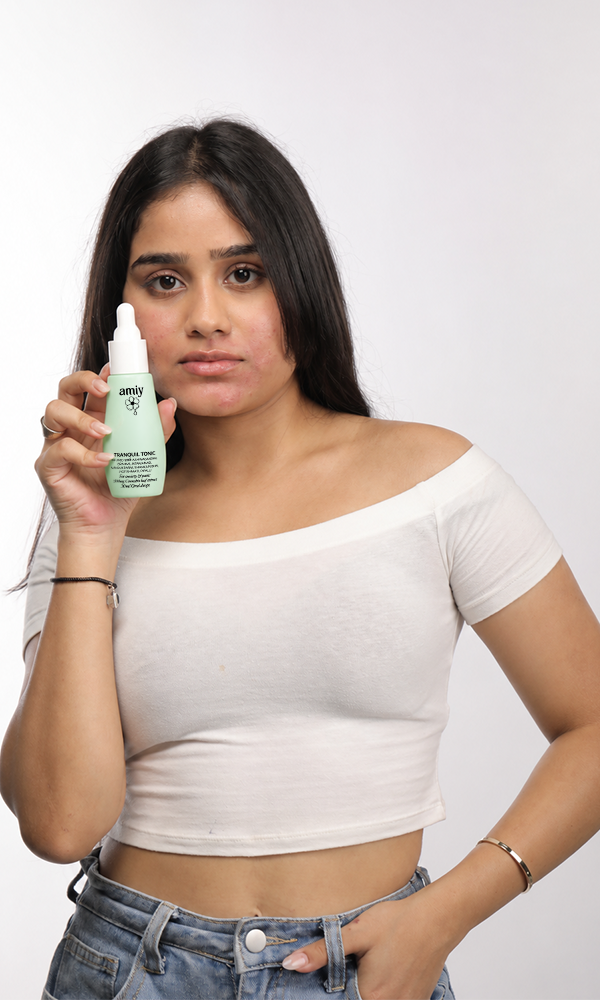
There is a particular kind of frustration that comes with being 27, 31, or 35 years old and still waking up to a new breakout the week before your period. You did everything right — you washed your face, you stayed off dairy, you bought the expensive serum. And yet the acne keeps showing up, right on cue, along the chin and jawline.
The reason this happens rarely has much to do with your skincare routine. Hormonal acne after 25 is an inside job — driven by shifts in estrogen, progesterone, cortisol, and even the bacteria living in your gut. Understanding these mechanisms is not just academically interesting; it changes how you approach healing.
This guide unpacks the real biology behind adult hormonal acne, why it is different from teenage breakouts, and what your body is actually trying to signal.
Table of Contents
- 1. Hormonal Acne After 25: What’s Really Going On Inside Your Body
- 2. Why Adult Hormonal Acne Is Not the Same as Teenage Acne
- 3. The Estrogen-Progesterone Imbalance and Your Skin
- 4. Why the Chin and Jawline Are Targeted
- 5. Cortisol’s Underrated Role in Adult Acne
- 6. The Gut Microbiome and Hormonal Acne: A Two-Way Street
- 7. Insulin Resistance: The Dietary Driver of Hormonal Acne
- 8. Liver Function and Estrogen Clearance
- 9. Natural Approaches to Managing Hormonal Acne After 25
- 10. Conclusion
Key Benefits
- Why Adult Hormonal Acne Is Not the Same as Teenage Acne
- Teenage acne — the kind most people picture — is largely driven by a surge of androgens (testosterone and DHEA) during puberty. These hormones send oil glands into overdrive, producing excess sebum that, combined with dead skin cells and bacteria, clogs pores.
- Adult hormonal acne works differently. By your mid-twenties, androgen levels have typically stabilized. The breakouts that persist or newly appear at this stage are usually rooted in a more complex set of factors:
- - Disrupted estrogen-to-progesterone ratios
- - Elevated cortisol from ongoing life stress
- - Insulin resistance driven by dietary patterns
- - Dysbiosis in the gut microbiome
- - Impaired liver detoxification of excess hormones
- Each of these can independently trigger skin inflammation — and in most adult women, several are operating simultaneously.
The Estrogen-Progesterone Imbalance and Your Skin
How Estrogen Affects Sebum and Inflammation
Estrogen, in healthy concentrations, actually has a moderating effect on the skin. It reduces sebum production and has mild anti-inflammatory properties. Progesterone, on the other hand, increases sebum production and slightly suppresses immune responses in the skin.
The problem arises when this ratio tips. Many women in their late twenties and thirties experience a relative decline in progesterone (especially in the luteal phase) while estrogen stays elevated — a pattern sometimes called estrogen dominance. In this environment:
- The skin's oil glands remain stimulated
- Inflammatory signalling in pores increases
- The skin's barrier function becomes mildly compromised
Why the Chin and Jawline Are Targeted
The distribution pattern of adult hormonal acne — concentrated on the lower face, chin, and neck — maps directly to the sebaceous glands most sensitive to androgenic stimulation. Even modest fluctuations in androgens or insulin-like growth factor 1 (IGF-1) can trigger breakouts in these zones during the pre-menstrual phase.
This is why women with PCOS, high cortisol, or insulin sensitivity issues tend to see this exact pattern: persistent chin and jawline acne that returns like clockwork around their cycle.
Cortisol's Underrated Role in Adult Acne
Cortisol — your primary stress hormone — has a more complex relationship with your skin than most people realise. When cortisol stays chronically elevated (which is a hallmark of modern life), it does several things that directly worsen acne:
- Stimulates sebaceous glands to produce more oil via corticotropin-releasing hormone (CRH) receptors in the skin
- Increases systemic inflammation that makes pores more reactive to bacteria
- Disrupts sleep, reducing the overnight skin repair window
- Impairs liver detoxification of excess estrogen, prolonging hormonal imbalance
Many women notice their skin worsens during high-stress periods — an exam, a job change, a difficult month. This is not coincidental. The cortisol and acne connection is direct and well-documented. Chronic stress keeps your HPA axis in low-grade overdrive, which continuously feeds the inflammatory and hormonal triggers for breakouts.
Steps
- The Gut Microbiome and Hormonal Acne: A Two-Way Street
- How Gut Dysbiosis Triggers Skin Inflammation
- The gut-skin axis is one of the most clinically significant pathways in adult acne. A disrupted gut microbiome — characterized by reduced microbial diversity, low Lactobacillus populations, and overgrowth of inflammatory bacteria — leads to increased intestinal permeability (commonly called "leaky gut").
- When the gut lining becomes permeable, bacterial fragments (lipopolysaccharides, or LPS) enter the bloodstream. The immune system responds with widespread low-grade inflammation — and the skin, as one of the body's primary detoxification surfaces, often bears the brunt of this. The result: inflammatory acne lesions that don't respond well to topical treatment because the trigger is systemic, not local.
- The Estrobolome: How Your Gut Manages Your Hormones
- Here is something that dermatologists rarely discuss: a specific community of gut bacteria, collectively called the estrobolome, is responsible for producing an enzyme (beta-glucuronidase) that reactivates estrogen in the gut for recirculation. When the microbiome is disrupted, this process goes out of balance.
- Too much beta-glucuronidase activity means excess estrogen gets recirculated rather than excreted — directly contributing to estrogen dominance and its downstream skin effects. This is why gut health is not just a digestive issue for women with hormonal acne; it is a hormonal issue too.
- Insulin Resistance: The Dietary Driver of Hormonal Acne
- High-glycaemic foods — refined carbohydrates, white rice, sugary drinks — cause rapid spikes in blood glucose and insulin. Elevated insulin activates insulin-like growth factor 1 (IGF-1), which directly stimulates the skin's oil glands and increases androgen activity in sebaceous tissue.
- This explains why dietary changes often produce visible skin improvements. It is not about "detoxing" — it is about reducing the insulin-driven amplification of androgenic signals at the skin level. Even mild insulin resistance — which affects a significant proportion of adults without a diabetes diagnosis — can maintain a background level of acne activity regardless of hormonal phase.
- Liver Function and Estrogen Clearance
- The liver is responsible for metabolising and packaging excess estrogen for elimination via bile and stool. When liver function is sluggish — due to high toxin load, poor diet, alcohol, or even chronic stress — estrogen clearance slows. This keeps circulating estrogen higher than it should be, extending the window of hormonal acne triggers.
- Supporting Phase II liver detoxification (through specific nutrients like sulforaphane, B vitamins, and plant compounds) is an often-overlooked pillar in managing adult hormonal acne long-term.
Related Resources
- Natural Approaches to Managing Hormonal Acne After 25
- Because hormonal acne after 25 has multiple internal root causes, effective management usually requires addressing several systems simultaneously. Here is what the evidence points to:
- 1. Support the Gut Microbiome
- Increasing dietary diversity, prioritising fermented foods, and reducing ultra-processed foods restores microbial balance. A healthy estrobolome means better hormone regulation and less inflammatory signalling reaching the skin.
- 2. Regulate Cortisol Patterns
- Sustained high cortisol is one of the most common and underaddressed drivers of adult acne. Adaptogenic plant compounds (like ashwagandha and brahmi) that modulate the HPA axis have shown promise in reducing cortisol-driven skin inflammation without suppressing normal stress responses.
- 3. Reduce Glycaemic Load
- Swapping refined carbohydrates for low-GI foods stabilises insulin and IGF-1 levels, directly reducing androgenic stimulation at the oil gland level. This is one of the most evidence-backed dietary changes for adult acne.
- 4. Improve Liver Detox Pathways
- Bitter botanical compounds, sulphur-rich vegetables (broccoli, kale), and adequate hydration all support the liver's ability to process and excrete excess estrogen efficiently.
- 5. Address Systemic Inflammation
- Anti-inflammatory botanicals — turmeric, neem, holy basil — can reduce the inflammatory response in sebaceous tissue without the side effects associated with long-term antibiotic use.
Frequently Asked Questions
Is hormonal acne after 25 a sign of PCOS?
A:Not necessarily. While PCOS is one cause of hormonal acne in adult women, there are several others — including estrogen dominance, cortisol excess, gut microbiome disruption, and insulin sensitivity — that operate independently of PCOS. Persistent chin and jawline acne warrants investigation, but not all cases are PCOS-related. Q:Can stress really cause physical acne breakouts? A:Yes, and the mechanism is well-understood. Cortisol binds to receptors on sebaceous glands, increasing oil production. It also elevates systemic inflammatory markers and impairs overnight skin repair. Chronic stress — even without obvious anxiety — keeps this cycle active, meaning ongoing breakouts even without other triggers. Q:How long does it take to see improvements when addressing hormonal acne internally? A:Internal root cause work takes longer than topical treatment — typically 6 to 12 weeks to see meaningful changes, as the microbiome, hormone metabolism, and inflammation pathways need time to rebalance. Most women see early improvements in cycle timing and lesion severity before full clearance.
Does dairy really worsen hormonal acne?
A:There is consistent evidence linking dairy consumption to acne, primarily through IGF-1 signalling. Dairy products (especially low-fat dairy) can raise circulating IGF-1, which stimulates sebaceous glands. Not everyone is equally reactive, but women with hormonal acne often notice improvement when reducing dairy intake. Q:Can gut problems cause acne on the face specifically? A:Yes. The gut-skin axis is a well-studied bidirectional pathway. Gut dysbiosis increases intestinal permeability, allowing inflammatory bacterial fragments into circulation. This systemic inflammation is expressed in the skin — particularly in areas with high sebaceous gland density like the face. Healing the gut is a recognised approach in integrative dermatology for inflammatory acne. Q:Is it possible to manage hormonal acne without birth control pills? A:Many women successfully manage hormonal acne by addressing its root causes — gut health, cortisol regulation, dietary glycaemic load, and liver function — without hormonal contraception. However, this is a personal medical decision and it is advisable to discuss your specific hormonal pattern with a qualified practitioner before making any changes.
Hormonal acne after 25 is not a skin problem — it is a whole-body signal. The breakouts that appear on your chin in the week before your period, or that never fully clear despite careful skincare, are usually rooted in the interplay between cortisol, estrogen metabolism, gut microbiome health, and insulin sensitivity.
Addressing these internal drivers takes consistency and time, but it produces a fundamentally different result from surface-only treatments — one where skin stays clear because the conditions that caused inflammation in the first place have been corrected.
CTA
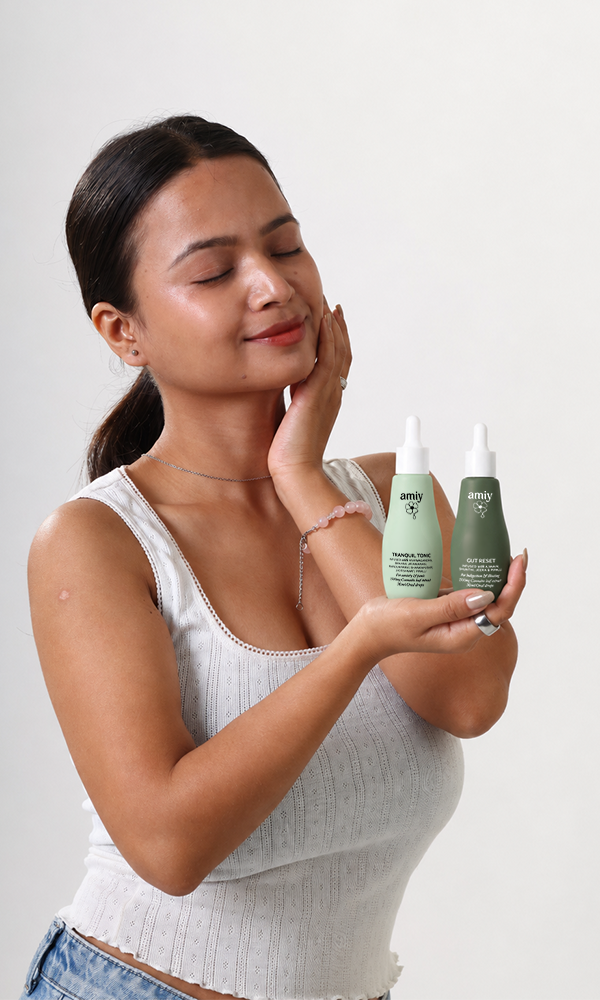
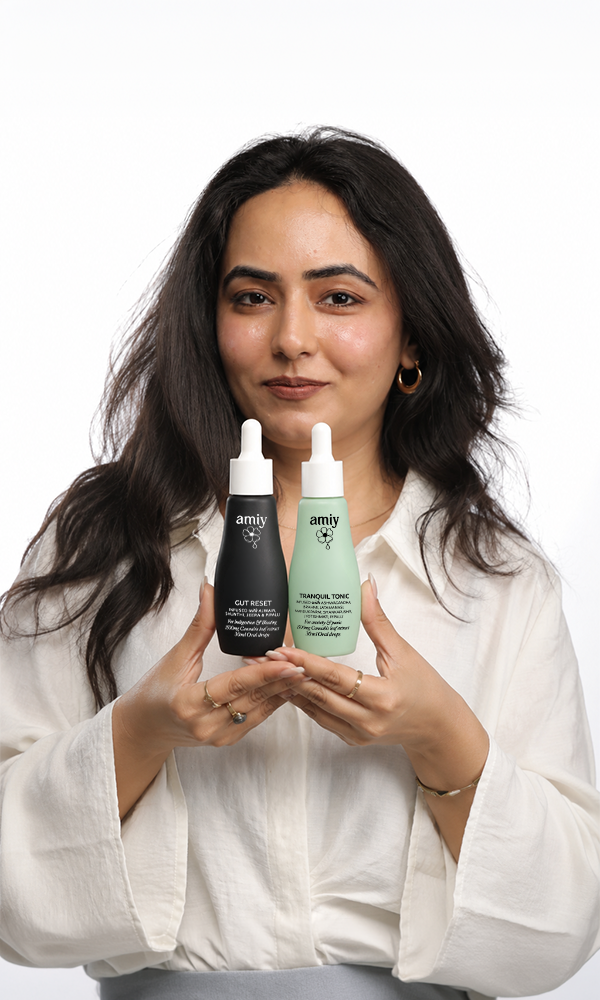
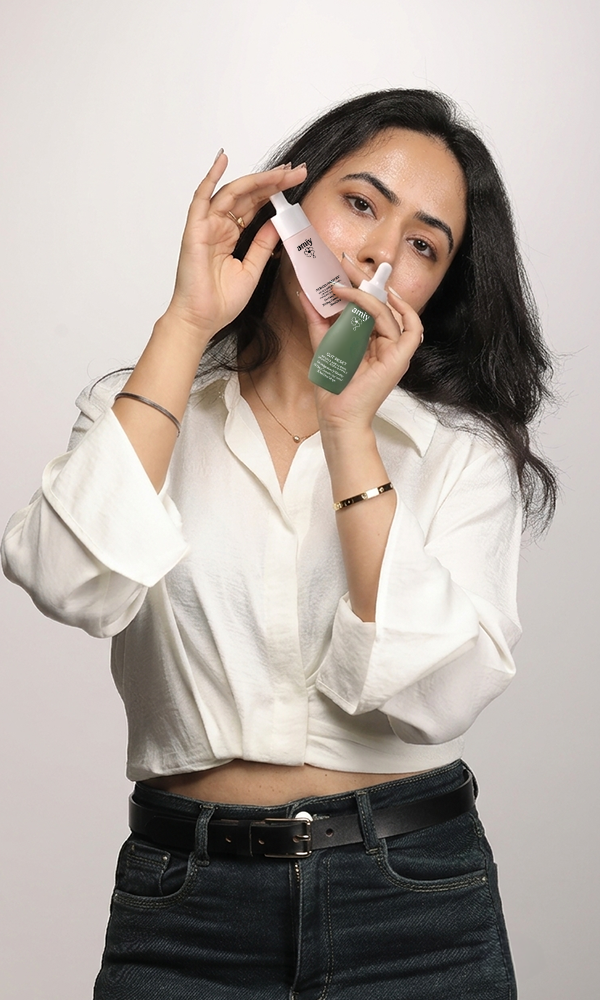
If you are navigating persistent adult hormonal acne, understanding which internal triggers are driving your specific pattern is the most useful starting point. Explore how the gut-skin axis, cortisol, and hormonal balance connect — and consider looking into internal formulations designed for root cause support, such as Amiy Naturals Acne SOS and the PCOS Acne Relief Combo .