

You have probably tried a brightening serum. Maybe a vitamin C product, a niacinamide routine, or a prescription cream. The dark spots fade — slightly — and then they return, or new ones form where the old ones were. If this cycle sounds familiar, you are not dealing with a surface problem. Hyperpigmentation treatment that actually lasts has to account for why the spots appeared in the first place. Melanin overproduction — the cellular event behind all forms of hyperpigmentation — does not happen randomly. It is triggered by inflammation, hormonal signals, UV exposure, and oxidative stress. Treat the trigger, and the pigmentation stops recurring. Treat only the surface, and you are in a maintenance loop indefinitely. This guide breaks down the biology of dark spots, identifies the most common internal drivers, and explains why a root-cause approach to Skin hyperpigmentation treatment produces better outcomes than topical fading alone.
Why Topical Treatments Often Fail as a Standalone Approach
Topicals Work on the Output, Not the Signal
Most over-the-counter and prescription
dark spot treatment for faceproducts — hydroquinone, kojic acid, arbutin, niacinamide — inhibit tyrosinase activity or interrupt melanin transfer. They reduce the colour being deposited in the skin.
The problem: if the upstream inflammatory or hormonal signal is still active, melanocytes simply ramp up production again. You are turning down a tap while the water pressure upstream keeps increasing. This is why so many people find that
dark spots on face return within weeks of stopping topical treatment, or appear in adjacent areas even while actively treating existing patches.
The Inflammation-Pigmentation Cycle
Inflammation is the single most common driver of ongoing
acne pigmentation and PIH. Here is why: when skin is inflamed — from acne, irritation, sun damage, or gut-driven systemic inflammation — keratinocytes (skin surface cells) release signalling molecules (particularly stem cell factor and endothelin-1) that activate melanocytes. The melanocytes interpret these signals as instructions to produce more melanin, originally a protective response.
In chronically inflamed skin — common in people with ongoing acne, gut dysbiosis, or high cortisol — this signalling never fully switches off. The result is persistent post-inflammatory pigmentation that keeps arriving even as existing spots fade.
Hormonal Triggers: The Estrogen-Melanin Connection
Estrogen receptors are present on melanocytes. When estrogen levels are elevated — during pregnancy, on hormonal contraception, or due to estrogen dominance — melanocytes become more sensitive to UV and inflammatory signals. This is why melasma is far more common in women than men, and why it worsens around the menstrual cycle or during pregnancy.
Women with
hyperpigmentation on face that tracks with their cycle — worsening before periods or after stopping birth control — are very likely experiencing hormone-driven melanocyte sensitisation. Topical treatment alone does nothing to alter the hormonal environment driving that sensitisation.
Liver estrogen metabolism and gut estrogen clearance also play a role here. When estrogen is not efficiently processed and excreted, circulating estrogen stays higher for longer — maintaining the hormonal pressure on melanocytes throughout the month.
The Gut-Skin Axis and Pigmentation
The connection between gut health and
skin hyperpigmentation treatment outcomes are underappreciated. A disrupted gut microbiome contributes to skin pigmentation through several mechanisms:
- Increased intestinal permeability allows LPS (lipopolysaccharides) into the bloodstream, creating systemic low-grade inflammation that activates skin melanocytes. - Impaired antioxidant status — a dysbiotic gut produces less short-chain fatty acids (SCFAs), which are important regulators of oxidative stress. Higher oxidative stress accelerates melanin production. - Disrupted estrogen metabolism via the estrobolome — the gut bacteria responsible for estrogen clearance. Poor microbiome diversity increases estrogen recirculation, maintaining hormonal pigmentation triggers.
People who notice that their
Dark spots on skinworsen alongside digestive symptoms — bloating, irregular bowel movements, post-meal discomfort — are often experiencing the skin expression of gut-driven inflammation and hormonal disruption.
Cortisol, Stress, and Dark Spot Formation
Cortisol elevates systemic inflammatory markers and increases free radical activity — both of which accelerate melanin overproduction. Chronic stress is a known aggravator of melasma, and women who experience significant life stress often report new or worsening
hyperpigmentation on face during or after stressful periods.
Cortisol also suppresses progesterone, which tips the hormonal balance further toward estrogen dominance. This makes stress a dual driver of pigmentation: via inflammation and via the hormonal pathway simultaneously.
Sun Exposure and the Oxidative Burden
UV radiation is not the root cause of hyperpigmentation in most cases — it is an accelerant. People with pre-existing inflammatory or hormonal triggers will develop
dark spots on face how to remove concerns much faster with sun exposure, because UV activates melanocytes that are already primed by internal signals. Sun protection remains essential, but it is insufficient as a standalone strategy when internal triggers are unaddressed.
A Root-Cause Approach to Hyperpigmentation Treatment
1. Reduce Systemic Inflammation
An anti-inflammatory nutritional foundation — reduced ultra-processed foods, increased polyphenol intake (berries, turmeric, dark leafy greens), adequate omega-3s — lowers the inflammatory signalling to skin melanocytes. This is foundational to any
cure for hyperpigmentation that produces lasting results.
2. Restore Gut Microbiome Balance
Addressing gut dysbiosis reduces LPS translocation, improves antioxidant status, and normalises the estrobolome. Internal formulations that restore microbial diversity and repair intestinal integrity directly reduce the inflammatory and hormonal pressure driving chronic skin pigmentation.
3. Support Liver Estrogen Metabolism
Cruciferous vegetables (broccoli, Brussels sprouts), DIM supplementation, and adequate B vitamins support the liver's Phase II detoxification of excess estrogen. This reduces melanocyte sensitisation in women with hormonal
black spots on face patterns.
4. Manage Cortisol and Oxidative Load
Adaptogenic botanicals (ashwagandha, brahmi, tulsi) that modulate HPA axis activity help reduce cortisol peaks that amplify inflammatory pigmentation. Antioxidant-rich nutrition further reduces the oxidative burden that accelerates melanin overproduction.
5. Consistent Sun Protection
Daily SPF 30+ use remains non-negotiable — not because sun exposure causes the underlying pigmentation, but because it removes one accelerating variable while internal work is ongoing. Physical (mineral) sunscreens are preferable for inflamed or pigmentation-prone skin.
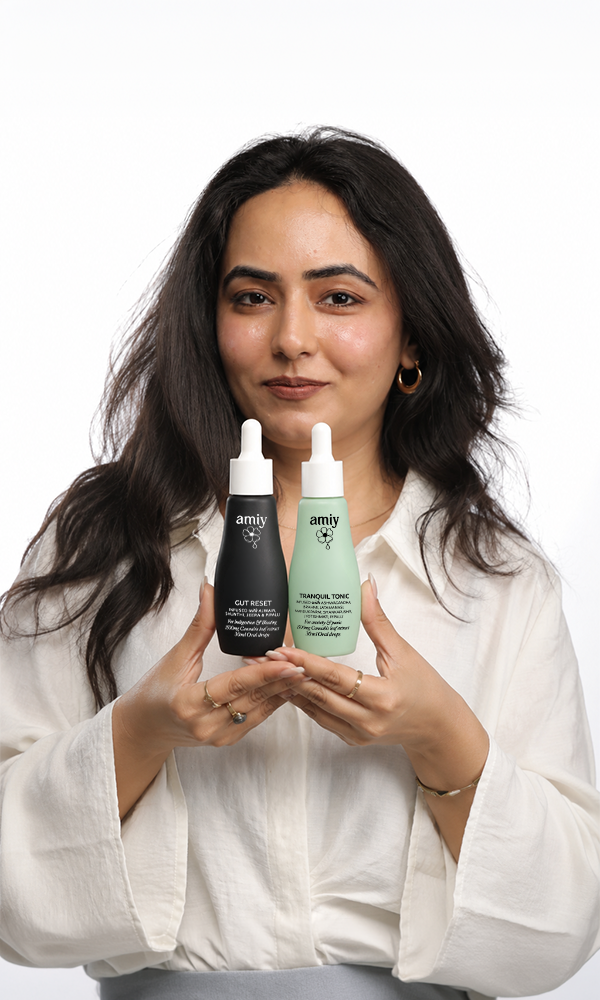
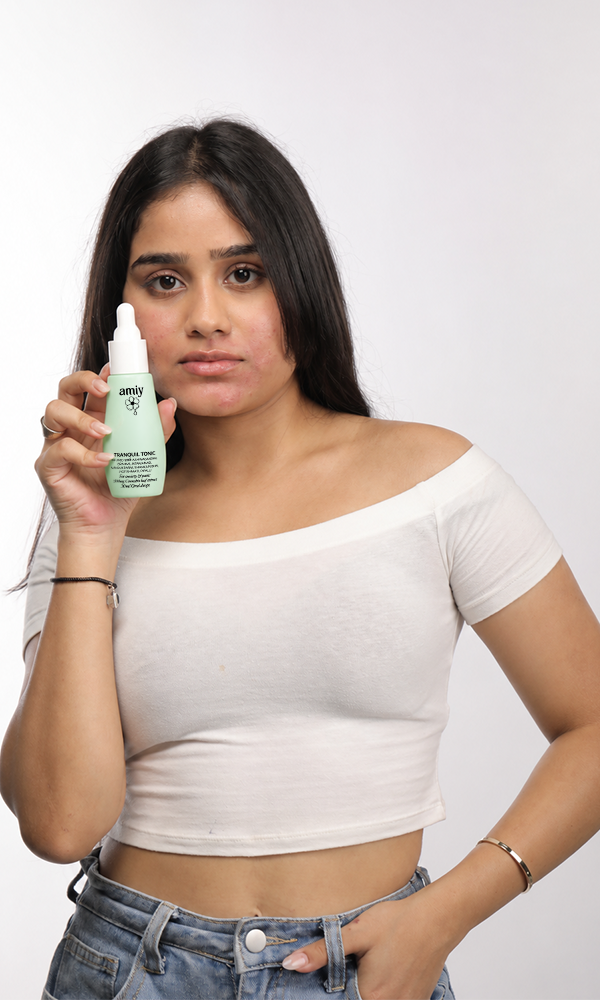
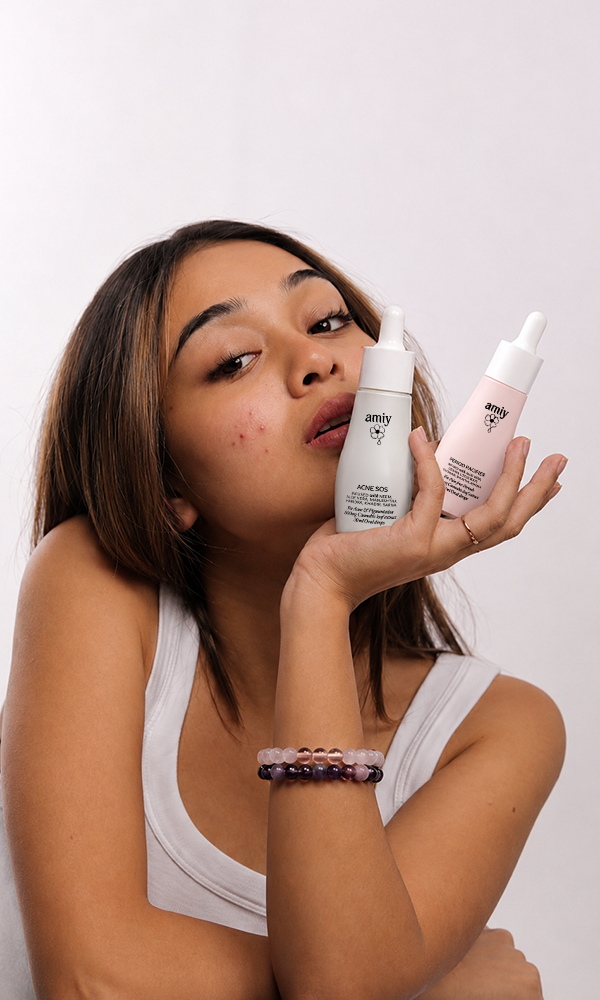
Hyperpigmentation treatment is not a matter of finding the right serum. Dark spots and pigmentation patches on the face are signals that something internal — inflammation, hormonal imbalance, gut disruption, or oxidative burden — is chronically activating melanocytes. Treating the surface is useful, but only when the signals driving melanin overproduction have been addressed does skin pigmentation genuinely stabilise. A root-cause approach — combining anti-inflammatory nutrition, gut microbiome restoration, estrogen clearance support, and cortisol regulation — gives your skin the internal conditions it needs to stop producing new dark spots while existing ones fade. Educational CTA If your dark spots keep returning despite consistent topical treatment, the root cause may be internal. Explore how Amiy Naturals Acne SOS and the Glow from Gut Duo address post-inflammatory pigmentation and gut-driven skin inflammation from within. Suggested Images - Before/after diagram: inflammation → melanocyte activation → hyperpigmentation cycle - Infographic: Types of hyperpigmentation (PIH, melasma, solar) with triggers - Gut-to-skin pathway illustration showing LPS → inflammation → melanin overproduction - Face map showing common hyperpigmentation distribution zones (cheeks, upper lip, forehead) ALT Text Suggestions - hyperpigmentation treatment infographic showing inflammation and melanin overproduction pathway - types of dark spots on face — PIH, melasma, solar lentigines comparison diagram - gut skin axis connection to facial hyperpigmentation and dark spots