Introduction: Rethinking Acne Through an Integrative Lens
Inflammatory acne - characterized by red, painful lesions, cysts, and persistent flare-ups—is often treated as a localized dermatological issue. However, both Ayurveda and modern integrative medicine recognize acne as a systemic inflammatory disorder rooted in internal imbalance.
In Ayurveda, this condition is primarily associated with Kapha–Pitta dosha imbalance, where:
· Pitta contributes to inflammation, redness, and heat
· Kapha leads to oiliness, congestion, and clogged pores
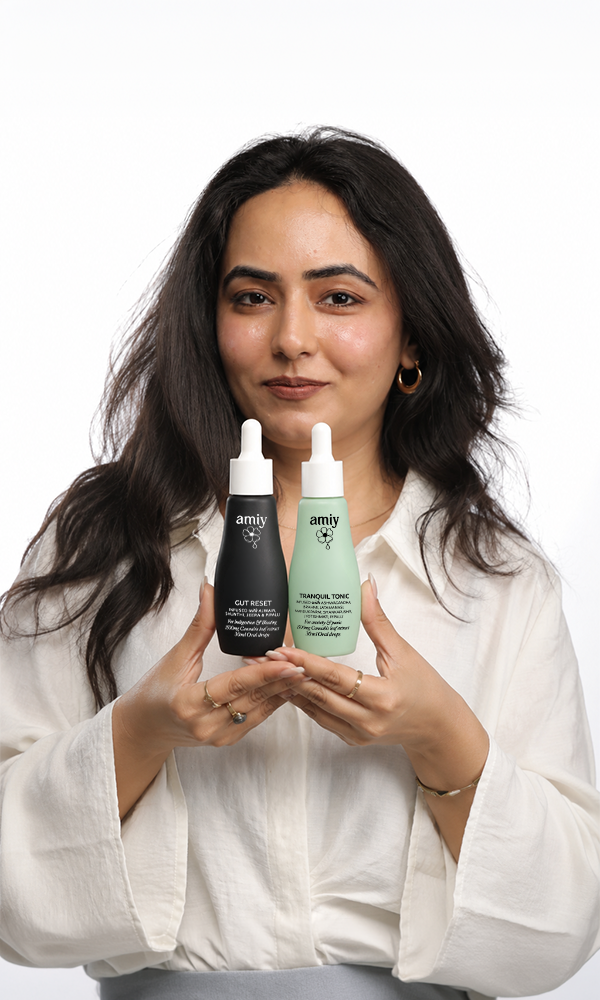
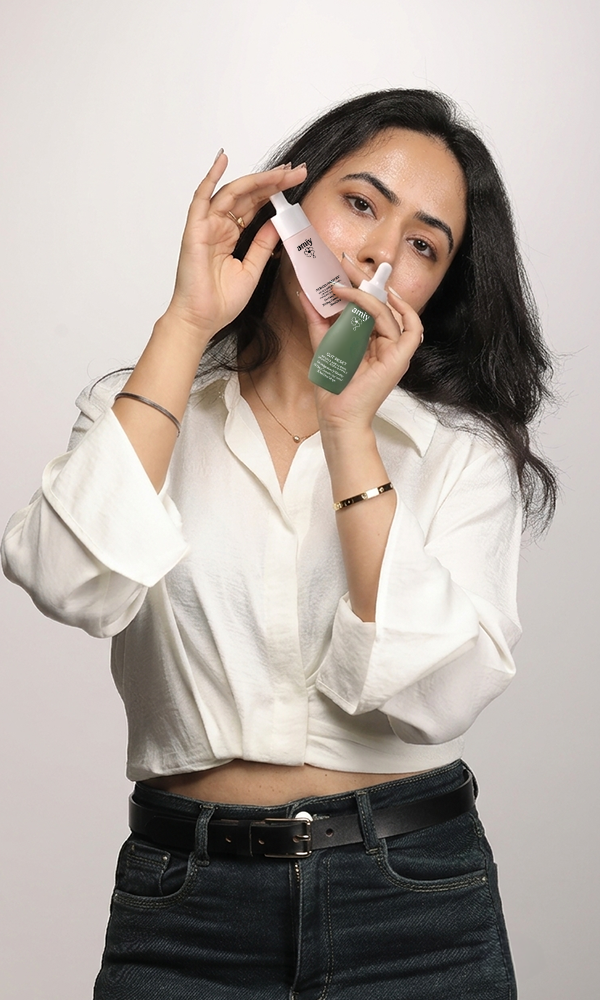
This blog presents a clinical, case-based perspective on how an internal botanical treatment for acne, delivered through Acne SOS oral drops, can correct these imbalances and restore skin health from within.
Table of Contents
- 1. Introduction: Rethinking Acne Through an Integrative Lens
- 2. Understanding Acne in Ayurveda: The Role of Doshas
- 3. Kapha–Pitta Imbalance: Clinical Correlation
- 4. Clinical Case Overview
- 5. Pathophysiology: Bridging Ayurveda and Modern Science
- 6. Why External Treatments Fail
- 7. Internal Botanical Treatment for Acne: A Root-Cause Approach
- 8. Ayurvedic Oral Drops: A Targeted Delivery System
- 9. Key Botanical Ingredients and Clinical Actions
- 10. Mechanism of Action (Integrative Clinical View)
- 11. Treatment Protocol
- 12. Clinical Progress
- 13. Before vs After Summary
- 14. Discussion: Integrative Clinical Insights
- 15. Why Botanical Medicine Works
- 16. Role of Internal Detox in Acne
- 17. Connection with Gut Health
- 18. Importance of Anti-Inflammatory Diet
- 19. Who Can Benefit
- 20. Safety and Considerations
- 21. Conclusion: Healing Acne from Within
- 22. Final Takeaways
Key Benefits
- Understanding Acne in Ayurveda: The Role of Doshas
- In Ayurvedic dermatology, acne (Yuvan Pidika) is understood as a manifestation of:
- · Vitiated Pitta (heat, inflammation)
- · Aggravated Kapha (oil, stagnation)
- · Accumulation of Ama (toxins)
- · Impaired Rakta Dhatu (blood tissue)
- Kapha–Pitta Imbalance: Clinical Correlation
- Pitta Dosha Acne
- Features include:
- · Red, inflamed lesions
- · Burning sensation
- · Sensitivity and irritation
- · Post-inflammatory pigmentation
- Represents inflammatory pathways and heat imbalance
- Kapha Acne
- Features include:
- · Oily skin
- · Whiteheads and cysts
- · Slow healing
- · Thick, congested pores
- Reflects sebum overproduction and stagnation
- Combined Kapha–Pitta Acne
- Most adult inflammatory acne cases involve both:
- · Oiliness + inflammation
- · Cystic lesions + redness
- · Chronic recurrence
- This aligns closely with modern concepts of:
- · Sebum overproduction
- · Inflammatory cytokines
- · Microbial imbalance
Clinical Case Overview
Patient Profile:
· Female, 26 years
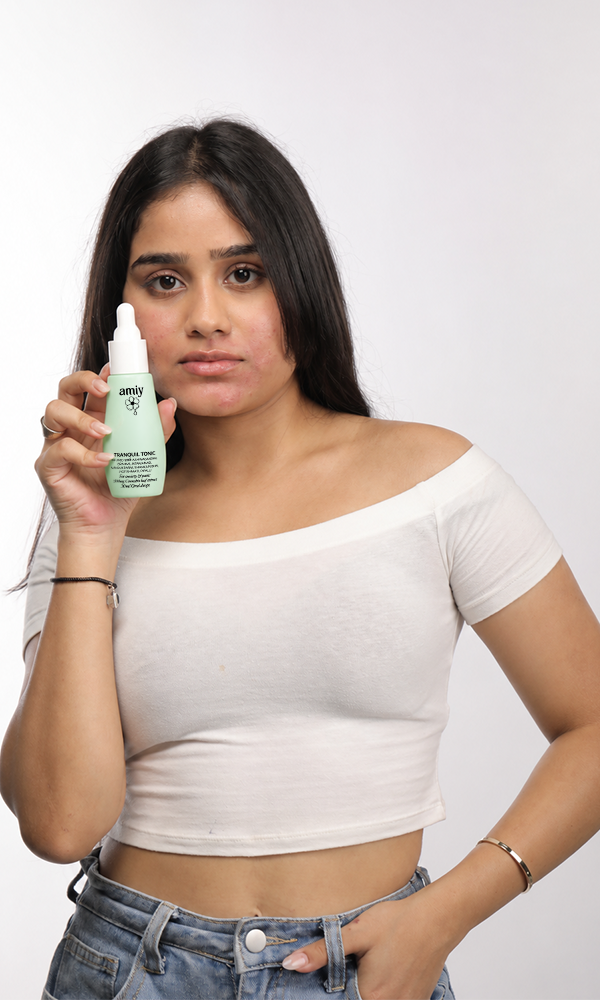
· Persistent inflammatory acne (2.5 years)
Symptoms:
· Painful cystic acne on cheeks and jawline
· Oily skin with redness
· Acne worsens with spicy food and stress
· Digestive issues (acidity, bloating)
Previous Treatments:
· Topical creams
· Antibiotics
· Chemical peels
Result: Temporary relief, frequent relapse
Clinical Diagnosis (Integrative Perspective)
Ø Kapha–Pitta dosha imbalance
Ø Chronic inflammation
Ø Toxin accumulation (Ama)
Ø Gut dysfunction
Ø Hormonal fluctuation
Pathophysiology: Bridging Ayurveda and Modern Science
1. Pitta → Inflammation
· Corresponds to inflammatory cytokines
· Causes redness, swelling, pain
2. Kapha → Sebum & Congestion
· Analogous to lipid overproduction
· Leads to clogged follicles
3. Ama (Toxins) → Internal Trigger
· Undigested metabolites
· Circulate in bloodstream
· Deposit in skin
4. Rakta Dushti (Blood Impurity)
· Reflects systemic inflammation
· Leads to acne and pigmentation
| Why External Treatments Fail |
|---|
| Topical therapies: |
| · Do not address internal toxins |
| · Do not correct dosha imbalance |
| · Do not improve digestion or metabolism |
| Result: Recurring acne |
| Internal Botanical Treatment for Acne: A Root-Cause Approach |
| To address acne effectively, treatment must focus on: |
| 1. Balancing Kapha and Pitta |
| 2. Detoxifying blood (Rakta Shodhana) |
| 3. Improving digestion (Agni) |
| 4. Eliminating toxins (Ama) |
| 5. Reducing inflammation |
| Ayurvedic Oral Drops: A Targeted Delivery System |
| Oral drops offer: |
| · Rapid absorption |
| · Systemic action |
| · Precise dosing |
| They are ideal for delivering botanical compounds for clear skin. |
| Key Botanical Ingredients and Clinical Actions |
| · Antibacterial |
| · Anti-inflammatory |
| · Blood purifier |
| · Enhances blood circulation |
| · Detoxifies Rakta Dhatu |
| · Reduces pigmentation |
| · Antioxidant |
| · Reduces acne lesions |
| · Immunomodulator |
| · Detoxifier |
| · Reduces chronic inflammation |
| · Improves digestion |
| · Supports gut microbiome |
| · Eliminates toxins |
| · Enhances Agni (digestion) |
| · Reduces Ama |
Mechanism of Action (Integrative Clinical View)
✔ Balances Kapha–Pitta
· Reduces oiliness (Kapha)
· Controls inflammation (Pitta)
✔ Blood Purification
Supports blood purification traditional botanical medicine skin approach → Clears toxins from circulation
✔ Internal Detox for Acne
· Improves liver function
· Eliminates metabolic waste
✔ Anti-Inflammatory Action
· Reduces cytokine activity
· Calms inflamed lesions
✔ Gut-Skin Support
· Improves digestion
· Reduces toxin formation
Treatment Protocol
· Formulation: Acne SOS oral drops
· Dosage: Twice daily
· Duration: 8–10 weeks
Lifestyle Support:
· Avoid spicy, oily foods
· Increase hydration
· Stress management
Steps
- Clinical Progress
- Week 2–3
- · Reduced acidity
- · Improved digestion
- · Slight reduction in inflammation
- Week 4–6
- · Noticeable decrease in cystic acne
- · Reduced oiliness
- · Less redness
- Week 8–10
- · 75–85% reduction in acne
- · Clearer skin tone
- · Minimal new breakouts
- Before vs After Summary
- Parameter | Before | After
- Inflammation | High | Minimal
- Oiliness | Excessive | Balanced
- Acne Severity | Moderate–Severe | Mild
- Digestion | Poor | Improved
- Discussion: Integrative Clinical Insights
- This case demonstrates that:
- · Acne is a manifestation of internal imbalance
- · Kapha drives oil production, Pitta drives inflammation
- · Botanical therapy addresses both simultaneously
Related Resources
- Why Botanical Medicine Works
- Multi-Target Action
- Unlike single-drug therapies, botanicals:
- · Act on multiple pathways
- · Provide synergistic effects
- · Support overall health
- Sustainable Healing
- · Reduces recurrence
- · Improves internal balance
- · Enhances long-term skin health
- Role of Internal Detox in Acne
- Internal detox is essential for:
- · Removing toxins
- · Supporting liver function
- · Preventing recurrence
- Connection with Gut Health
- Poor digestion leads to toxin formation, worsening acne.
No FAQs provided
Conclusion: Healing Acne from Within
This integrative clinical case highlights the importance of addressing acne at its root.
By correcting:
· Kapha–Pitta imbalance
· Internal toxins
· Inflammation
Ayurvedic oral drops provide an effective internal botanical treatment for acne, offering long-term, sustainable results.