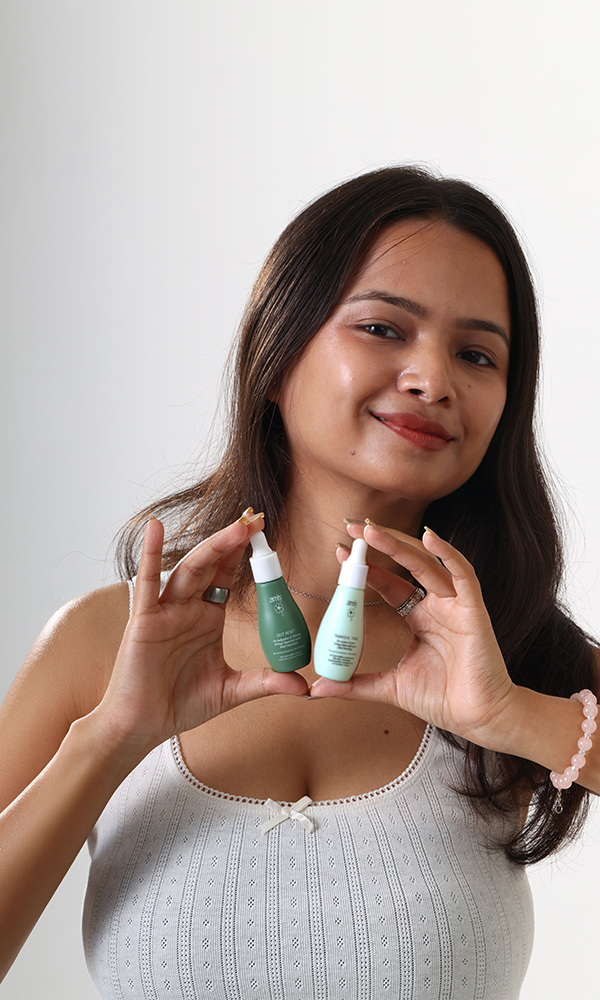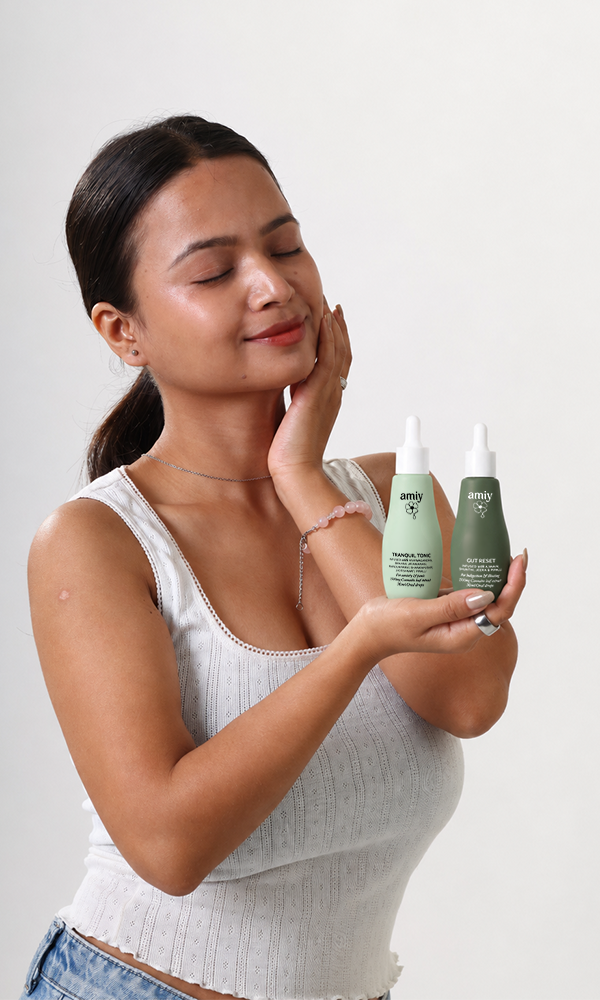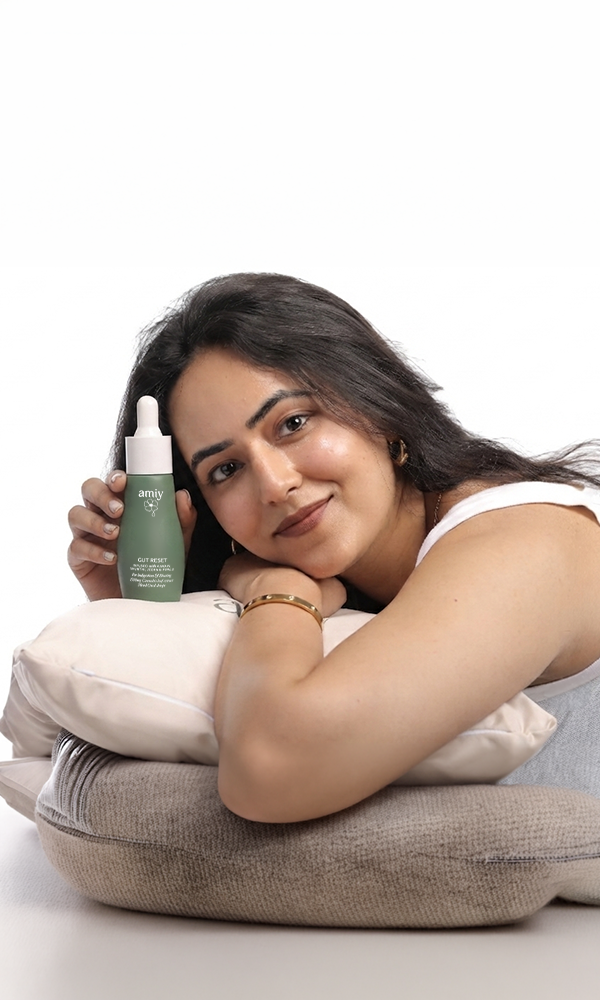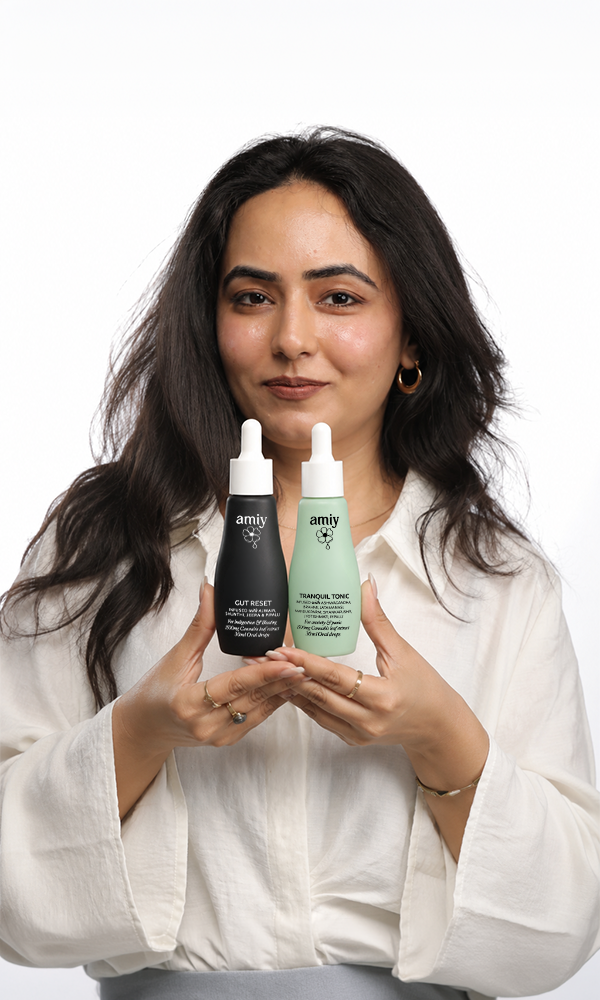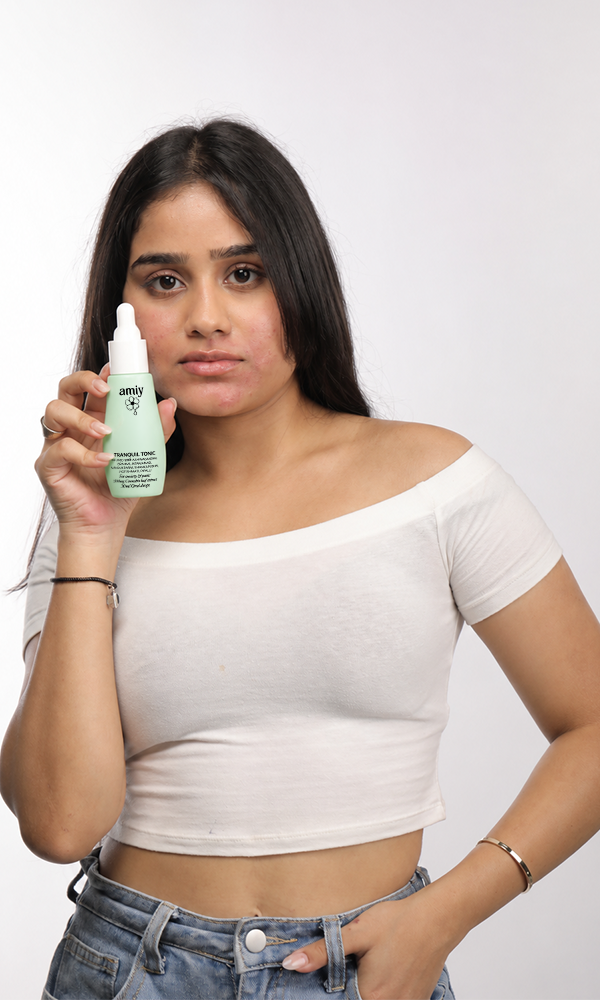


Acne beyond the age of 25 is no longer just a teenage concern - it is a hormone-driven, systemic condition. Unlike adolescent acne, which is often transient and linked to puberty, hormonal acne after 25 is persistent, cyclical, and deeply connected to endocrine and metabolic imbalances. In clinical practice, adult women with acne frequently present with: · Jawline and chin breakouts · Premenstrual flare-ups · Oily skin with deep, painful lesions · Associated symptoms like PMS, irregular cycles, or weight fluctuations This blog explores the clinical and hormonal mechanisms behind adult acne and presents a case-based approach using Acne SOS oral drops as a root-cause treatment for hormonal acne.
1. Role of Androgens (Testosterone) in Acne
Androgens like testosterone play a central role in acne development.
· Testosterone converts to DHT (dihydrotestosterone)
· DHT stimulates sebaceous glands
· Leads to excess oil production
This results in clogged pores and acne formation
Clinical Insight
In women, even normal testosterone levels can cause acne if there is:
· Increased receptor sensitivity
· Hormonal imbalance
This explains testosterone acne in women, especially after 25.
2. Insulin Resistance and Acne
One of the most overlooked causes of adult acne is insulin resistance.
· High insulin levels increase androgen production
· Stimulate IGF-1 (Insulin-like Growth Factor)
· Increase sebum production
· Promote inflammation
Leads to insulin resistance acne
Clinical Signs
· Acne with weight gain
· Sugar cravings
· Fatigue
· PCOS symptoms
3. Sebum Overproduction: The Direct Trigger
Sebum (skin oil) is essential for skin health, but excess sebum creates an acne-prone environment.
Sebum Overproduction Cause
· Androgen stimulation
· Insulin spikes
· Inflammation
· Poor diet
Excess oil + dead skin cells = clogged pores
4. PCOS and Hormonal Acne
PCOS is a major contributor to adult acne.
· Increased androgen levels
· Insulin resistance
· Irregular ovulation
· Chronic inflammation
This makes PCOS acne treatment naturally a key focus in integrative dermatology.
Limitations of Conventional Treatments
· Oral contraceptives
· Anti-androgen drugs
· Antibiotics
· Topical retinoids
· Temporary relief
· Hormonal suppression, not correction
· Side effects
· Recurrence after stopping
Root-Cause Approach: Internal Hormonal Correction Instead of suppressing symptoms, the goal is to: 1. Balance androgens 2. Improve insulin sensitivity 3. Reduce sebum overproduction 4. Support detox pathways 5. Reduce inflammation This is whereNatural oral drops provide a targeted solution. Ayurvedic Oral Drops: A Clinical Intervention Why Oral Drops? · Faster absorption · Higher bioavailability · Systemic action They work as an internal botanical treatment for hormonal acne.
Mechanism of Action (Clinical Perspective) The oral drops act through: Ø Hormonal Regulation Balance estrogen-testosterone ratio Ø Improved Insulin Sensitivity Reduce insulin spikes and IGF-1 Ø Sebum Control Normalize oil production Ø Anti-Inflammatory Action Reduce cytokine activity Ø Detoxification Enhance liver function Treatment Protocol · Dosage: Oral drops twice daily · Duration: 10–12 weeks · Lifestyle Support: o Low glycemic diet o Stress management o Sleep regulation
No FAQs provided
Conclusion: Treat Hormones, Not Just Acne Hormonal acne after 25 is not just a skin issue - it is a reflection of internal imbalance involving hormones, metabolism, and inflammation. By addressing: · Androgens · Insulin resistance · Sebum overproduction Natural oral drops provide a root-cause treatment for hormonal acne, offering long-term, sustainable results. Final Takeaways Ø Adult acne is hormonally driven Ø Insulin resistance and androgens are key triggers Ø Sebum overproduction is the final pathway Ø Internal botanical therapy corrects root causes Ø Sustainable healing comes from within