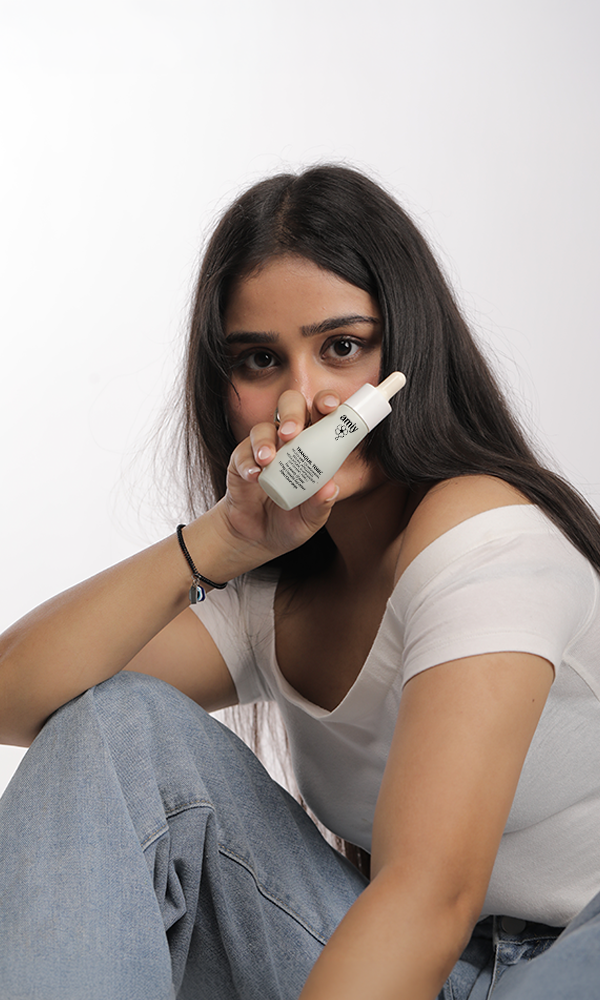





Joint Pain After 30: Why It Happens and the Best Natural Remedies for Indians
Ever noticed how your body doesn’t bounce back the way it used to? Maybe your knees feel stiff after sitting for too long. Maybe climbing stairs feels a little harder than it did a few years ago. Or perhaps you wake up with a sore shoulder even though you didn’t do anything unusual the day before. For many people, joint pain after 30 shows up quietly. It starts as an occasional ache and is easy to ignore. But over time, those small discomforts can become a regular part of daily life. The surprising part is that joint pain is no longer something only older adults talk about. More people in their 30s are experiencing knee pain, stiffness, and reduced flexibility, often because of modern lifestyles that involve long hours of sitting, high stress, poor sleep, and very little movement.
Table of Contents
- 1. Joint Pain After 30: Why It Happens and the Best Natural Remedies for Indians
- 2. Why Do Joints Start Acting Up After 30?
- 3. The Everyday Habits That May Be Contributing
- 4. Signs You Should Pay Attention To
- 5. Why Knee Pain Is So Common
- 6. Joint Pain Isn’t Always About the Joint
- 7. Natural Ways to Care for Your Joints
- 8. Traditional Remedies Many Indians Still Trust
- 9. Exploring Natural Oral Support
- 10. When Should You See a Doctor?
- 11. FAQs
- 12. Conclusion
Key Benefits
- Why Do Joints Start Acting Up After 30?
- Turning 30 does not suddenly make your joints weak. The changes happen gradually.
- During your 20s, the body recovers quickly. A long walk, a workout, or a physically demanding day usually doesn’t leave much impact. But as the years pass, recovery becomes slower.
- At the same time, many of us become less active than we were in our college years. Desk jobs replace movement. Long commutes become normal. Weekends often turn into recovery days instead of active days.
- Over time, these habits can affect how the joints feel and function.
The Everyday Habits That May Be Contributing
Joint discomfort is often linked to daily routines more than people realize.
Sitting for Long Hours
Many Indians spend most of their day at a desk, in meetings, or looking at screens.
When the body stays in one position for hours, muscles become tight and joints become stiff. This is one reason why getting up after a long workday can feel surprisingly uncomfortable.
Lack of Regular Movement
You don’t need to run marathons to keep your joints healthy.
Simple movement throughout the day helps keep joints flexible. When movement becomes limited, stiffness tends to show up more often.
Weight Gain
Even a few extra kilos can increase pressure on the knees and hips.
These joints carry most of your body weight, so any increase can make daily activities feel more demanding.
Poor Sleep
Many people underestimate how much sleep affects recovery.
A restless night can leave the body feeling sore, tired, and less prepared to handle everyday physical stress.
Signs You Should Pay Attention To Most people don’t wake up one day with severe joint pain. The body usually gives hints first. Some common arthritis early signs India residents often notice include: - Stiffness in the morning - Pain while climbing stairs - Swelling around joints - Reduced flexibility - Discomfort after sitting for long periods - A feeling that the joints are not moving as smoothly as before These symptoms do not automatically mean arthritis, but they shouldn’t be ignored if they continue for weeks or months.
Joint Pain Isn’t Always About the Joint This is something many people don’t realize. Sometimes the problem isn’t the joint itself. Muscles play a huge role in supporting movement. When muscles become tight, weak, or overworked, they can place extra stress on nearby joints. For example: - Tight hips can affect the knees. - Weak leg muscles can make stairs feel harder. - Tight shoulders can contribute to neck discomfort. This is why people often experience both muscle and joint discomfort at the same time and start looking for a muscle joint pain oral treatment that fits into their daily routine. Natural Ways to Care for Your Joints The good news is that small changes can make a noticeable difference. Keep Moving Movement is one of the best things you can do for your joints. You don’t need a complicated fitness routine. Walking, stretching, yoga, and light exercises can help keep the body mobile and reduce stiffness. Build Strength Strong muscles help support joints. Simple strength exercises a few times a week can make everyday activities feel easier and more comfortable. Eat a Balanced Diet Food affects how the body feels. Including fruits, vegetables, healthy fats, nuts, seeds, and protein-rich foods can support overall wellbeing. Stay Hydrated Water is often overlooked, but staying hydrated supports many important functions throughout the body, including healthy joint tissues.
Steps
- Traditional Remedies Many Indians Still Trust
- Long before wellness trends became popular, Indian households relied on simple remedies to manage everyday aches.
- Turmeric
- Turmeric has been used for generations and continues to be a staple in many Indian homes.
- Ginger
- Often used in teas and home remedies, ginger has traditionally been associated with comfort and wellbeing.
- Warm Oil Massage
- A gentle massage after a long day can help relieve stiffness and leave muscles feeling more relaxed.
- Yoga
- Yoga combines movement, flexibility, balance, and breathing exercises. It remains one of the most popular ways to support joint and muscle health naturally.
- Exploring Natural Oral Support
- As awareness around wellness grows, many people are looking beyond quick fixes.
- This has led to growing interest in natural joint pain drops like Amiy Naturals Muscle Mercythat can easily become part of a daily routine.
- People often choose them as part of a broader approach that includes movement, healthy eating, good sleep, and stress management.
- The goal is usually not just temporary relief but feeling more comfortable and mobile over time.
Related Resources
- When Should You See a Doctor?
- While occasional aches are common, some symptoms should never be ignored.
- Speak with a healthcare professional if you experience:
- - Severe swelling
- - Sudden joint pain
- - Persistent redness
- - Difficulty walking
- - Fever with joint discomfort
- - Pain that keeps getting worse
- Getting answers early is always better than waiting until the problem becomes harder to manage.
Frequently Asked Questions
Joint discomfort after 30 is more common than many people think. Between desk jobs, busy schedules, stress, and reduced physical activity, it’s not surprising that the body sometimes starts asking for a little more attention. Whether you’re noticing stiffness in the morning, looking for a knee joint pain natural remedy, exploring natural joint pain drops, or trying to understand possible arthritis early signs India residents commonly experience, paying attention to those early signals matters. Often, it’s the small daily habits—moving more, stretching regularly, sleeping well, and taking care of your body—that make the biggest difference in how your joints feel in the years ahead.