



Natural Relief for Period Cramps: The Root Cause Most People Miss
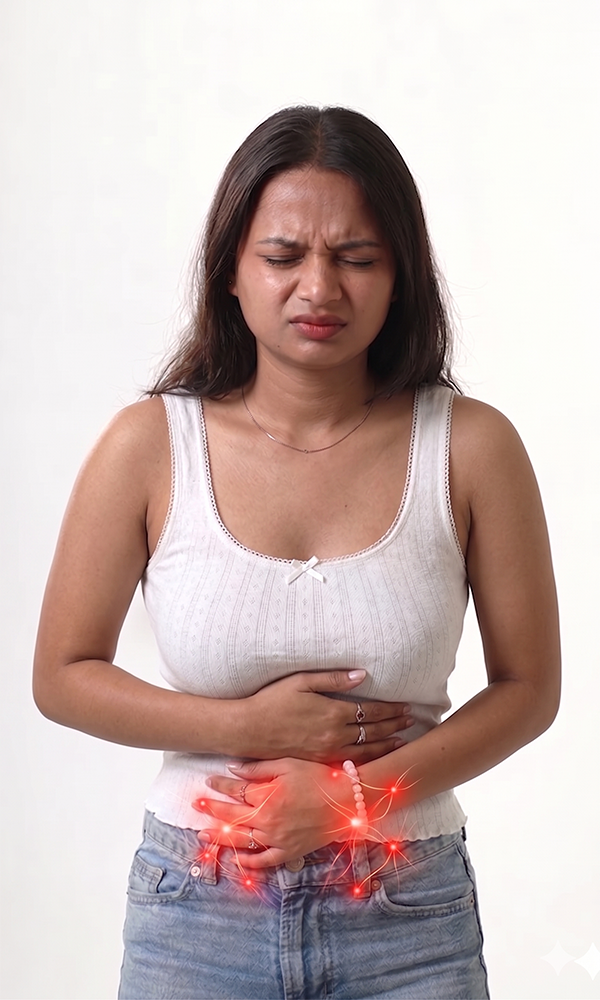
If your period cramps are a monthly event that ibuprofen barely touches — or that you've been told to "just live with" — you are not alone. Dysmenorrhoea (the clinical term for painful periods) affects an estimated 50 to 90% of menstruating women, making it one of the most common chronic pain conditions in the world. And yet it remains chronically undertreated and under-explained. The standard advice — take a painkiller, use a hot water bottle, wait it out — addresses the sensation but not the source. Natural relief for period cramps that actually lasts requires understanding why the pain is happening in the first place. This guide breaks down the physiology of menstrual cramps, identifies the most common root causes of severe dysmenorrhoea, and explains how specific dietary, lifestyle, and botanical interventions address those causes at the source.
Table of Contents
- 1. What Actually Causes Period Cramps? The Prostaglandin Mechanism
- 2. Why Do Some Women Have More Prostaglandins Than Others?
- 3. Magnesium Deficiency and Uterine Spasm
- 4. The Gut-PMS Connection: Why Your Microbiome Affects Your Period
- 5. Natural Approaches That Address the Root Causes
- 6. What About Endometriosis?
- 7. FAQs
- 8. Conclusion
Key Benefits
- What Actually Causes Period Cramps? The Prostaglandin Mechanism
- A Hormone-Like Compound That Controls Pain Intensity
- Period cramps are not just "your uterus contracting." They are driven primarily by prostaglandins — specifically prostaglandin F2α (PGF2α) and prostaglandin E2 (PGE2). These are hormone-like lipid compounds produced by the cells of the uterine lining (endometrium) just before and during menstruation.
- Here is the simplified mechanism: as progesterone drops at the end of your cycle, the endometrium begins to break down. This triggers the release of arachidonic acid from cell membranes. Arachidonic acid is converted by the enzyme COX-2 into prostaglandins, which cause:
- - Strong uterine muscle contractions (to shed the lining)
- - Vasoconstriction (reduced blood flow to the uterus, causing ischaemic pain)
- - Systemic effects — nausea, diarrhoea, headaches, fatigue when prostaglandins enter the bloodstream
- Women with severe period pain consistently show higher concentrations of prostaglandins in their menstrual fluid. This is not a pain tolerance issue — it is a biochemical difference. And it has addressable root causes.
Why Do Some Women Have More Prostaglandins Than Others?
Estrogen Dominance and Prostaglandin Amplification
Estrogen stimulates the production of COX-2, the enzyme that generates prostaglandins. Women with estrogen dominance — where circulating estrogen is disproportionately high relative to progesterone — consistently show higher prostaglandin activity during menstruation.
Estrogen dominance can result from disrupted hormone metabolism (often gut- and liver-related), exposure to environmental estrogens (xenoestrogens in plastics and pesticides), stress-driven progesterone suppression, or PCOS. In all these cases, the downstream effect is more COX-2 activity, more prostaglandins, and more painful periods.
Omega-3 to Omega-6 Ratio: The Dietary Influence on Cramp Severity
The type of fatty acids in your cell membranes directly influences which prostaglandins your body produces. Omega-6 fatty acids (abundant in processed vegetable oils, fried foods, and ultra-processed products) are the primary substrate for pro-inflammatory, cramp-causing PGF2α and PGE2.
Omega-3 fatty acids (from oily fish, walnuts, flaxseed) compete with omega-6 for the same enzymatic pathways and produce much less potent prostaglandins. Multiple clinical trials have demonstrated that omega-3 supplementation meaningfully reduces menstrual pain severity — not because it numbs pain, but because it shifts the prostaglandin balance at the cellular level.
Magnesium Deficiency and Uterine Spasm Magnesium is a natural calcium antagonist — it regulates muscle contraction by blocking calcium entry into muscle cells. In the uterus, adequate magnesium prevents the excessive, painful contractions triggered by prostaglandins. Research shows that women with primary dysmenorrhoea have significantly lower magnesium levels during menstruation than pain-free controls. Supplementing magnesium for period pain — particularly in the week before the period — reduces cramping severity and duration in multiple controlled trials. Dietary magnesium depletion (from high sugar, alcohol, or stress) is extremely common in adult women.
The Gut-PMS Connection: Why Your Microbiome Affects Your Period Here is something few gynaecologists discuss: the gut microbiome directly affects how estrogen is processed and eliminated. The estrobolome — the community of gut bacteria responsible for beta-glucuronidase enzyme activity — determines how much estrogen gets reactivated and recirculated versus excreted. A disrupted gut microbiome increases beta-glucuronidase activity, which recirculates more estrogen. Higher circulating estrogen means more COX-2 stimulation, higher prostaglandin production, and more severe menstrual pain. This is one reason why women with IBS, bloating, or gut dysbiosis often also report more painful periods — the gut and the cycle are biochemically linked. Addressing gut health — through microbiome restoration, reduced intestinal permeability, and improved hormone clearance — is therefore a genuinely relevant intervention for menstrual pain, not just a general "health" recommendation. Chronic Inflammation as a Background Driver of Period Pain Beyond prostaglandins, systemic low-grade inflammation amplifies menstrual pain. Inflammatory cytokines (particularly IL-6 and TNF-α) sensitise uterine pain receptors, making contractions feel more painful than they physiologically would. This is why women with inflammatory conditions (endometriosis, IBD, chronic stress) often experience more severe dysmenorrhoea. A chronically pro-inflammatory state — driven by poor diet, gut dysbiosis, high cortisol, or disrupted sleep — keeps this sensitisation baseline elevated throughout the cycle, so that even normal prostaglandin-driven contractions register as severe pain.
Steps
- Natural Approaches That Address the Root Causes
- 1. Shift Your Fatty Acid Balance
- Increasing omega-3 intake (through oily fish, flaxseed, walnuts) while reducing omega-6-heavy oils reduces the substrate available for pro-inflammatory prostaglandin production. This dietary shift — sustained over at least one to two cycles — typically reduces pain severity meaningfully.
- 2. Replete Magnesium
- Dietary sources include dark leafy greens, seeds, nuts, and legumes. Supplemental magnesium glycinate or magnesium citrate (starting 5–7 days before the expected period) is the most evidence-backed nutritional intervention for dysmenorrhoea.
- 3. Support Hormonal Estrogen Clearance
- Cruciferous vegetables (broccoli, cauliflower, Brussels sprouts) contain compounds (DIM and sulforaphane) that support Phase II liver detoxification and estrogen metabolism. A cleaner estrogen clearance pathway reduces the hormonal amplification of prostaglandin production.
- 4. Restore Gut Health
- Rebalancing the gut microbiome reduces estrobolome-driven estrogen recirculation. Fermented foods, prebiotic fibres, and reducing gut irritants (alcohol, processed sugar, certain NSAIDs) all contribute to a healthier hormonal ecology. Internal gut formulations designed to restore microbial balance have a genuine role in menstrual cycle health.
- 5. Plant-Based COX-2 Modulation
- Several botanical compounds — ginger (zingiber officinale), turmeric (curcumin), and boswellia — have demonstrated COX-2 inhibitory effects in research settings. They reduce prostaglandin production at the enzymatic level rather than blocking the pain response after the fact, making them mechanistically aligned with period pain at its source.
- Ginger specifically has been compared to ibuprofen in clinical trials for dysmenorrhoea, with comparable pain reduction and fewer gastrointestinal side effects.
- 6. Warm Uterine Circulation Support
- Herbs traditionally used to support pelvic circulation — including saffron, cinnamon, and certain botanical preparations — may reduce the ischaemic component of period pain by improving uterine blood flow. This addresses the vasoconstriction aspect of prostaglandin action.
Related Resources
- What About Endometriosis?
- Endometriosis — where endometrial-like tissue grows outside the uterus — requires medical diagnosis and management. The natural approaches above are not a treatment for endometriosis, though many of the anti-inflammatory and hormonal balance strategies are used as complementary support alongside medical care. If your period pain is severe, progressive, or accompanied by pain during intercourse or bowel movements, please consult a gynaecologist.
Frequently Asked Questions
Period cramps are not inevitable — and they are certainly not something to simply endure with painkillers every month. The severity of dysmenorrhoea is directly tied to prostaglandin levels, estrogen-progesterone balance, gut health, magnesium status, and systemic inflammation. Each of these is addressable. The goal of natural relief for period cramps is not to mask pain but to reduce the physiological conditions that produce it in the first place — so that each cycle becomes a little calmer, a little easier, and a little more manageable, without needing to count the days until it ends. CTA If you are looking for internal support that addresses menstrual pain from its root — prostaglandin balance, hormonal clearance, and gut health — explore Amiy Naturals Period Pacifier and the Hormonal Acne and PMS Relief Kit, formulated for root-cause menstrual management.