



Severe Period Pain Causes: Why Your Cramps Are This Bad and What Your Body Is Actually Saying
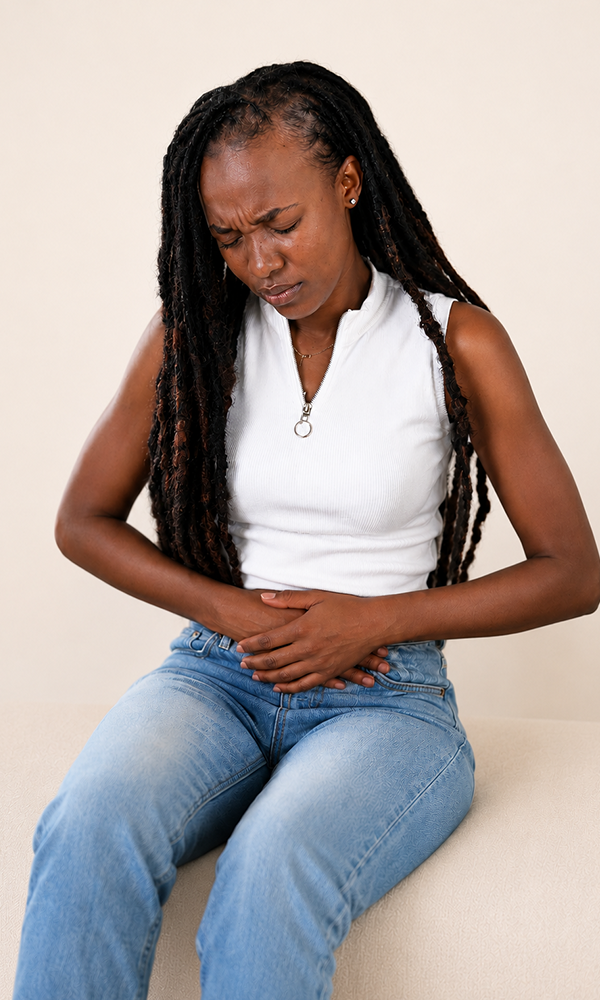
Severe period pain causes include excess prostaglandin production in the uterine lining, oestrogen dominance, low progesterone, systemic inflammation, and conditions like endometriosis or PCOS. Prostaglandins trigger powerful uterine contractions to shed the endometrium — when levels are excessively high, these contractions restrict blood flow to the uterus, creating the cramping, nausea, and radiating pain that can be debilitating. Addressing the internal hormonal and inflammatory environment is key to meaningful relief. If your period pain is severe enough to take days off work, lie in bed with a hot water bottle, or reach for prescription-strength pain relief every month — you deserve more than 'periods are just like that.' They're not supposed to be. Yes, some cramping during menstruation is physiologically normal. But pain that disrupts your daily function, nausea that stops you from eating, or cramps that radiate to your back and thighs are telling you that something in your hormonal and inflammatory environment has gone wrong. These are genuine severe period pain causes — not a low pain threshold.
Table of Contents
- 1. Severe Period Pain Causes: Why Your Cramps Are This Bad and What Your Body Is Actually Saying
- 2. Primary vs. Secondary Dysmenorrhoea — Two Different Problems
- 3. Prostaglandins — The Pain Molecule at the Centre of It All
- 4. Oestrogen Dominance — When Hormones Fall Out of Balance
- 5. The Role of Progesterone in Period Pain
- 6. Endometriosis — When Period Pain Is a Condition, Not Just a Symptom
- 7. The Gut-Uterus Connection — Digestive Symptoms During Your Period
- 8. Nutritional Factors That Directly Affect Period Pain
- 9. FAQs
- 10. Conclusion
Key Benefits
- Primary vs. Secondary Dysmenorrhoea — Two Different Problems
- Medically, painful periods are classified as dysmenorrhoea — either primary or secondary.
- Primary dysmenorrhoea refers to period pain with no identifiable underlying condition. It's caused by prostaglandin excess and typically begins in adolescence.
- Secondary dysmenorrhoea refers to period pain caused by an identifiable reproductive or systemic condition, including:
- · Endometriosis
- · Adenomyosis
- · Uterine fibroids
- · Polycystic ovary syndrome (PCOS)
- · Pelvic inflammatory disease (PID)
- · Interstitial cystitis
- Secondary dysmenorrhoea often worsens progressively over time and typically doesn't respond well to standard over-the-counter pain relief. If your period pain has been getting worse over years, or is accompanied by heavy bleeding, pain during sex, or bowel symptoms — clinical evaluation is warranted.
Prostaglandins — The Pain Molecule at the Centre of It All
Prostaglandins are hormone-like lipid compounds produced by the endometrium (uterine lining) in the days before and during menstruation. Their job is to trigger uterine contractions — the mechanism by which the endometrium is shed. The problem arises when prostaglandin levels are excessively high.
High prostaglandins:
· Trigger more powerful and prolonged uterine contractions
· Cause ischaemia — a temporary reduction in blood supply to the uterine muscle, which is why the pain can be extremely intense
· Promote systemic effects: nausea, vomiting, diarrhoea, headache, and back pain
· Enter the bloodstream and affect other smooth muscle, causing gut cramps and nausea
What drives high prostaglandin production?
· Excess oestrogen (oestrogen stimulates prostaglandin synthesis)
· Omega-3 deficiency (omega-3s produce less inflammatory prostaglandins; omega-6 excess produces more)
· A diet high in arachidonic acid (red meat, processed foods)
· Systemic inflammation — any source amplifies prostaglandin activity
· Gut dysbiosis — via the oestrogen-gut microbiome connection
Oestrogen Dominance — When Hormones Fall Out of Balance One of the most significant and underdiagnosed severe period pain causes is oestrogen dominance — a state in which oestrogen levels are disproportionately high relative to progesterone, whether due to absolute oestrogen excess or progesterone deficiency. Oestrogen dominance drives: · Excess prostaglandin production · Endometrial hyperplasia — a thickened uterine lining that sheds more heavily and more painfully · Uterine fibroids and adenomyosis progression · Breast tenderness, mood swings, and bloating in the week before menstruation · Endometriosis progression (endometriotic tissue is oestrogen-dependent) What causes oestrogen dominance? · Impaired liver oestrogen detoxification · Gut dysbiosis reducing estrobolome function (oestrogen recirculates instead of being excreted) · Chronic stress (cortisol competes with progesterone receptor sites) · Nutritional deficiencies (B6, B12, magnesium, and zinc — essential for oestrogen metabolism) · Environmental oestrogen exposure (xenoestrogens from plastics, pesticides, personal care products) · Excess body fat (adipose tissue produces oestrone, a form of oestrogen)
The Role of Progesterone in Period Pain Adequate progesterone counterbalances oestrogen's proliferative effects on the endometrium, reduces prostaglandin production, and relaxes uterine smooth muscle. When progesterone is deficient — common in anovulatory cycles, under high stress, or in perimenopause — the unopposed oestrogen environment drives a thicker endometrium and higher prostaglandin activity. Signs of low progesterone: · Spotting or light bleeding before your actual period begins · A luteal phase shorter than 10 days · Sleep difficulties in the two weeks before your period · Heightened anxiety and mood swings pre-menstrually
Steps
- Endometriosis — When Period Pain Is a Condition, Not Just a Symptom
- Endometriosis affects approximately 1 in 10 women of reproductive age — and it remains one of the most chronically misdiagnosed conditions in medicine, with average diagnosis times running at 7-10 years in many countries.
- In endometriosis, tissue similar to the endometrium grows outside the uterus — on the ovaries, fallopian tubes, bladder, bowel, or pelvic peritoneum. This tissue responds to the hormonal cycle, thickens, breaks down, and bleeds each month — but with nowhere to go, causes inflammation, adhesions, and cysts.
- Hallmarks of endometriosis-related period pain:
- · Pain disproportionate to the apparent volume of bleeding
- · Begins before the period (sometimes days before)
- · Pain during or after sex
- · Bladder or bowel symptoms around menstruation
- · Fatigue disproportionate to blood loss
- · Pain that responds poorly to NSAIDs
- · Progressive worsening over multiple cycles
- The Gut-Uterus Connection — Digestive Symptoms During Your Period
- If your period reliably brings diarrhoea, crampy bowels, nausea, or significant bloating — you're not imagining a connection. There genuinely is one.
- The gut-uterus connection operates through several pathways:
- · Prostaglandins affect bowel motility — the same prostaglandins driving uterine contractions also stimulate intestinal smooth muscle
- · The pelvic neural network — uterine and bowel nerves share close anatomical proximity, and intense uterine cramping can radiate as bowel cramping
- · Gut inflammation worsens uterine inflammation — systemic inflammation from gut dysbiosis amplifies prostaglandin production
- · Hormonal fluctuations affect gut motility — the pre-menstrual drop in progesterone accelerates bowel transit
- Addressing gut health therefore has direct downstream effects on period pain severity — the gut and uterus are not as separate as we tend to think.
Related Resources
- Nutritional Factors That Directly Affect Period Pain
- Several specific nutritional deficiencies are mechanistically linked to worsened dysmenorrhoea — and correcting them has real clinical evidence behind it:
- · Magnesium — relaxes uterine smooth muscle, reduces prostaglandin synthesis; multiple RCTs show it reduces primary dysmenorrhoea severity
- · Omega-3 fatty acids (EPA and DHA) — compete with arachidonic acid in prostaglandin synthesis; clinical trials show reduced menstrual pain and NSAID use
- · Vitamin D — potent natural anti-inflammatory; deficiency (very common in South Asia) is significantly associated with severe dysmenorrhoea; supplementation trials show 40-50% reductions in pain scores
- · Zinc — inhibits pro-inflammatory prostaglandin pathways and reduces menstrual flow
- · Vitamin B6 — critical for progesterone production and reducing oestrogen dominance
Frequently Asked Questions
Severe period pain causes are not mysterious, and they are not imagined. The science is clear: when prostaglandins run high, when oestrogen goes unchecked, when progesterone drops, when the gut microbiome fails to clear hormones properly, and when inflammation runs systemic — periods become debilitating. You don't have to accept that level of pain as normal. Your body gives you a window every month to assess your internal hormonal environment. When that window opens with dread and a hot water bottle, it's worth asking what your hormones and gut are actually trying to say. Painful periods are a signal. They are specific, recurring, and meaningful. And they deserve to be taken seriously — scientifically, compassionately, and at the root.