






Stress Acne: Why Anxiety Triggers Breakouts & Natural Ways to Heal
Stress has a strange way of showing up on the skin. Sometimes it’s after a week of poor sleep while other times it can be during emotional burnout, work pressure, anxiety, or constant overthinking. You suddenly notice painful breakouts around your jawline, cheeks, or chin that feel deeper, redder, and harder to calm down than usual. That’s because stress acne is not just a surface-level issue. It’s your body reacting to internal imbalance. Over time, these internal imbalances start reflecting directly on the skin. The good news is that once you understand the connection between stress and acne, it becomes easier to work on the actual root cause instead of endlessly switching skincare products.
Table of Contents
- 1. Stress Acne: Why Anxiety Triggers Breakouts & Natural Ways to Heal
- 2. Introduction
- 3. What Is Stress Acne?
- 4. How Cortisol Triggers Breakouts
- 5. Signs Your Acne Is Stress-Related
- 6. The Gut-Skin-Stress Connection
- 7. Why Anxiety Makes Acne Worse
- 8. Can Poor Sleep Cause Acne?
- 9. Natural Ways to Heal Stress Acne
- 10. Sleep Matters
- 11. Improve Dietary Habits
- 12. Focus on Gut Health
- 13. Simplify Your Routine
- 14. Can Oral Supplements Help Stress Acne?
- 15. When to Seek Professional Help
- 16. FAQs
- 17. Conclusion
Key Benefits
- What Is Stress Acne?
- Stress acne refers to breakouts that are triggered or worsened during periods of emotional or physical stress. These breakouts usually feel more inflamed and stubborn than regular acne.
- Unlike occasional pimples caused by clogged pores or product buildup, stress-related acne often appears repeatedly in the same areas and takes longer to heal. Many people notice it during emotionally overwhelming phases, poor sleep cycles, exam pressure, burnout, or hormonal stress.
- The skin is closely connected to the nervous system, which is why mental stress often shows up physically.
How Cortisol Triggers Breakouts
One of the biggest reasons anxiety causes acne is cortisol.
When the body feels stressed, cortisol levels rise to keep you alert and responsive. In small amounts, this is completely normal. But when stress becomes constant, elevated cortisol starts affecting the skin negatively.
It increases oil production, making the pores more likely to clog. At the same time, it increases internal inflammation, which makes acne appear redder, more painful, and slower to heal.
Stress also weakens the skin barrier. This makes the skin more reactive and sensitive, especially if you’re already acne-prone.
For many people, this is why breakouts suddenly worsen during emotionally difficult periods even if the skincare routine stays exactly the same.
The Gut-Skin-Stress Connection
Your gut health and skin health are deeply connected.
When stress levels remain high for long periods, digestion slows down and the balance of gut bacteria gets disrupted. This can increase inflammation throughout the body, including the skin.
People dealing with stress acne often notice other symptoms too — bloating, poor digestion, irregular appetite, acidity, fatigue, or disturbed sleep. These issues may seem unrelated, but they’re all connected through the nervous system.
An unhealthy gut can also affect how hormones are processed inside the body, which may further worsen acne flare-ups.
This is why healing stress acne usually requires a more internal approach instead of only relying on topical skincare.
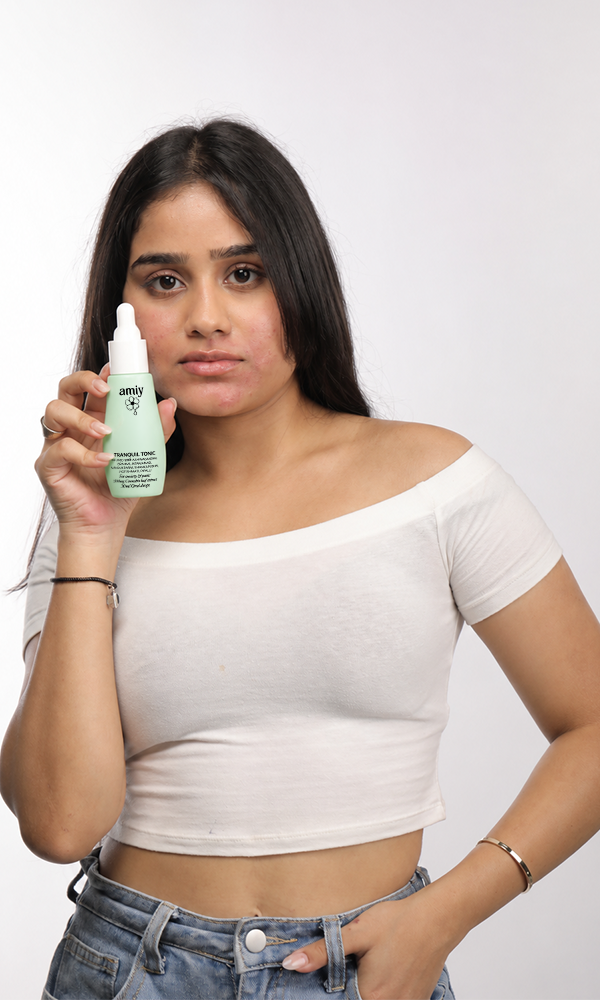
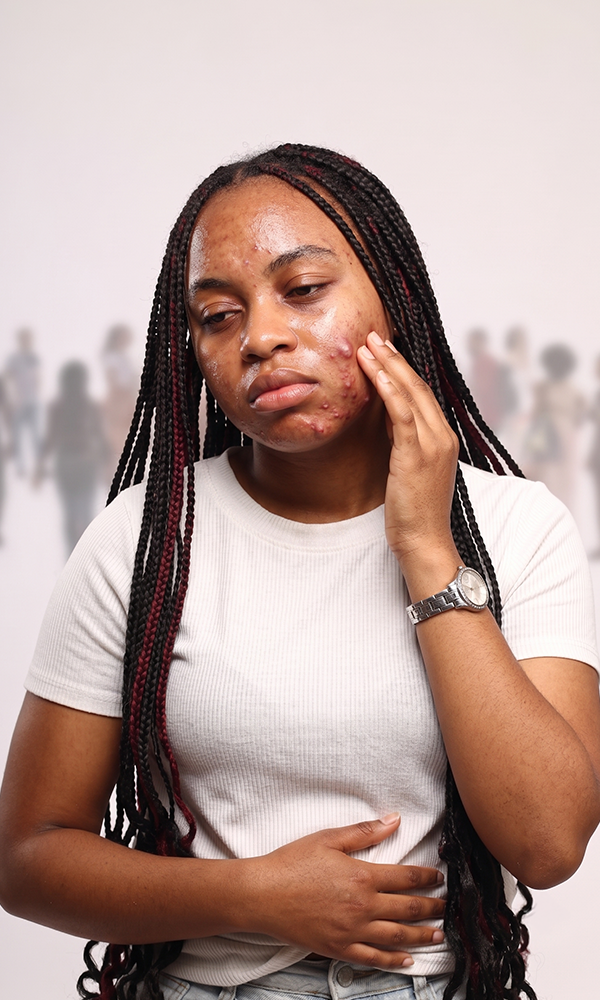
Signs Your Acne May Be Stress-Related Stress acne follows a certain pattern. These kinds of Breakouts often appear during emotionally stressful periods or after days of poor sleep. The acne often feels more inflamed and sensitive than usual. When stress increases cortisol, it can also influence androgen activity, leading to excess oil production in these regions. That’s why stress acne often looks like: - Painful jawline acne - Red inflamed acne bumps - Recurring chin acne - Hormonal-style cystic acne Many adults dealing with chronic stress suddenly start experiencing jawline acne even if they never struggled with it before.
Natural Ways to Heal Stress Acne Healing stress acne naturally starts with calming the body internally instead of aggressively fixing the skin from the surface. Maintaining an internal balance is vital for regulating your stress response. Even simple daily habits like walking outdoors, deep breathing, meditation, or taking small breaks during the day can gradually calm the nervous system and has a visible impact on the skin over time. Sleep Matters Lack of sleep elevates the cortisol level which can worsen inflammation and oil production making it important to have a sleeping routine. Sleeping at a regular time, reducing screen exposure before bed, and limiting caffeine late in the day lowers the cortisol level promoting skin recovery. Improve Dietary Habits Your skin is what you eat. Avoid frequent sugar intake and processed food as they directly influence inflammation and hormonal fluctuations. Eating balanced meals with enough protein, fiber, and healthy fats stabilizes both energy and skin health. Focus on Gut Health A healthy gut leads to a healthy skin. Having a diet rich in whole foods, hydration, and fiber creates a healthier inflammatory response inside the body. Many people notice their skin calming down once digestion improves. Simplify Your Routine Another common mistake that people make is over-treatmenting the skin using harsh scrubs, over-exfoliating acids which usually worsens the situation. Keeping skincare simple and barrier-friendly usually works better for stressed skin and gives it time to heal on its own.
Steps
- Can Internal Support Help Stress Acne?
- Since stress acne is closely connected to cortisol levels, inflammation, gut imbalance, and hormonal fluctuations, internal wellness approaches can be helpful alongside skincare.
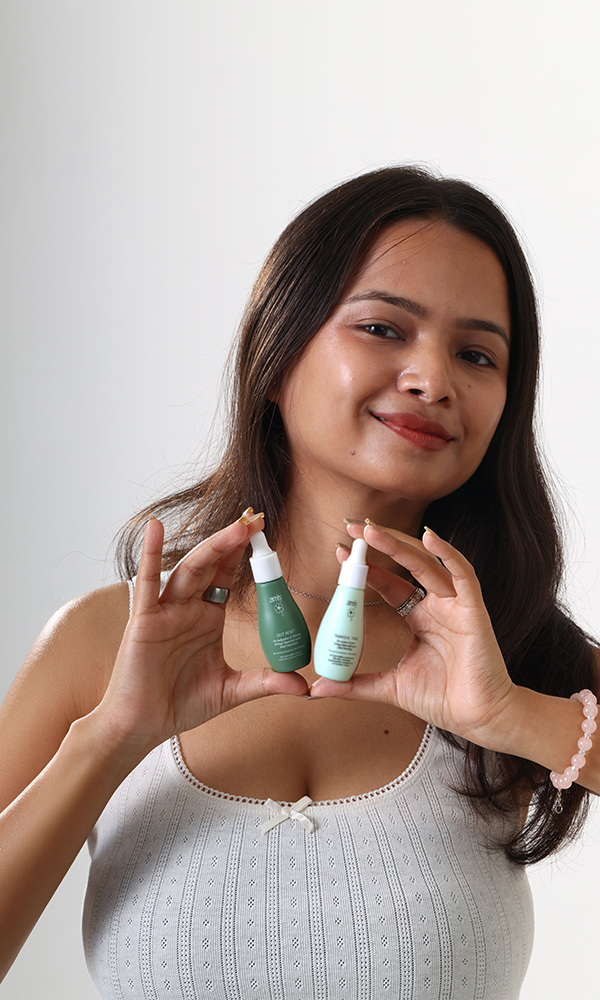
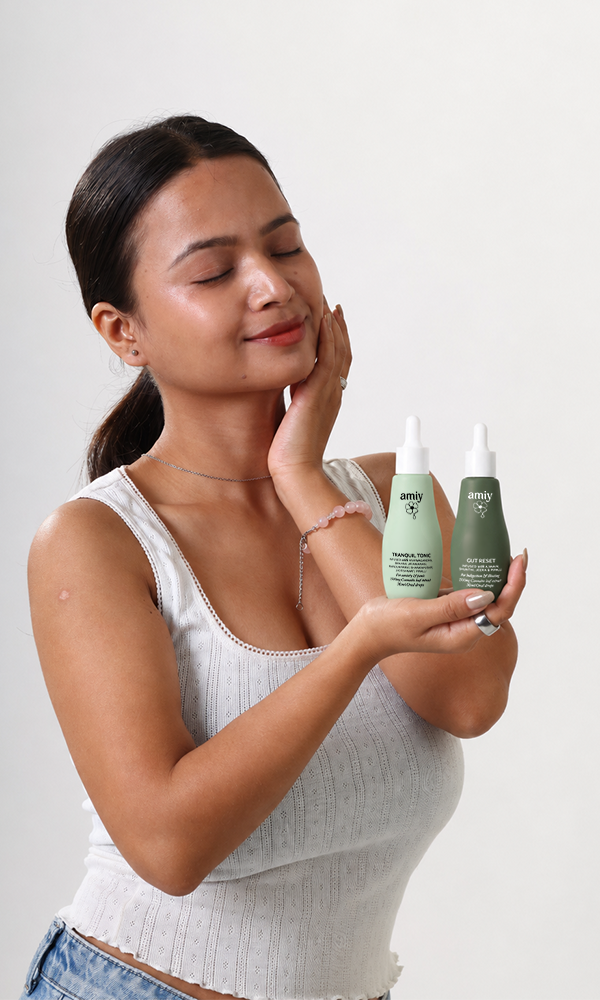
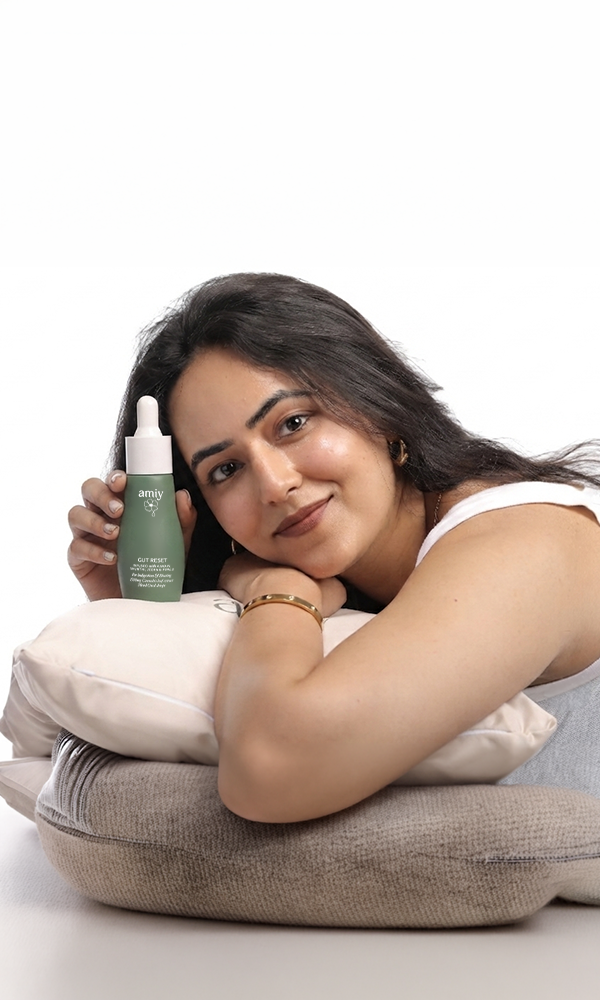
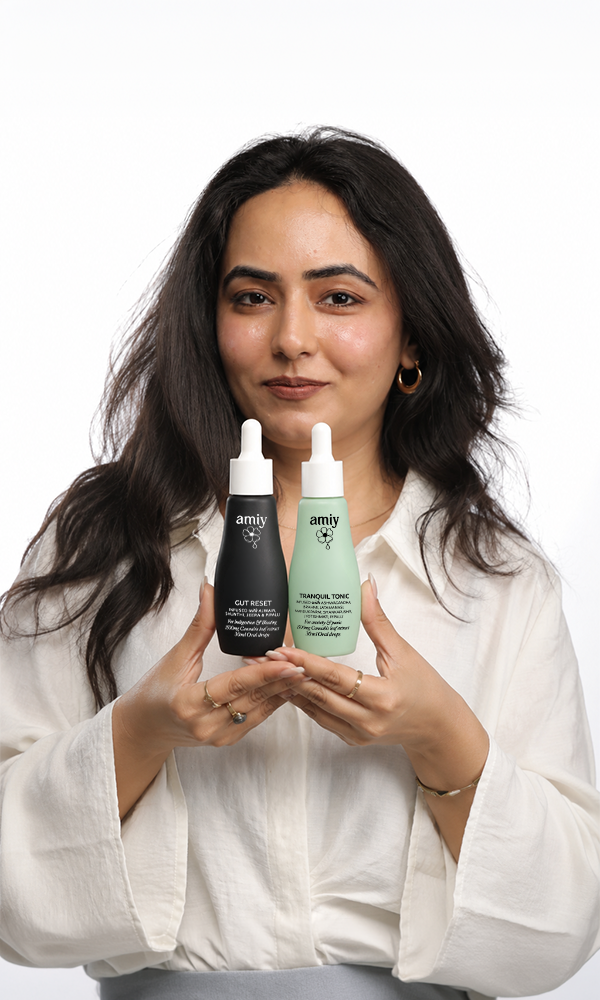
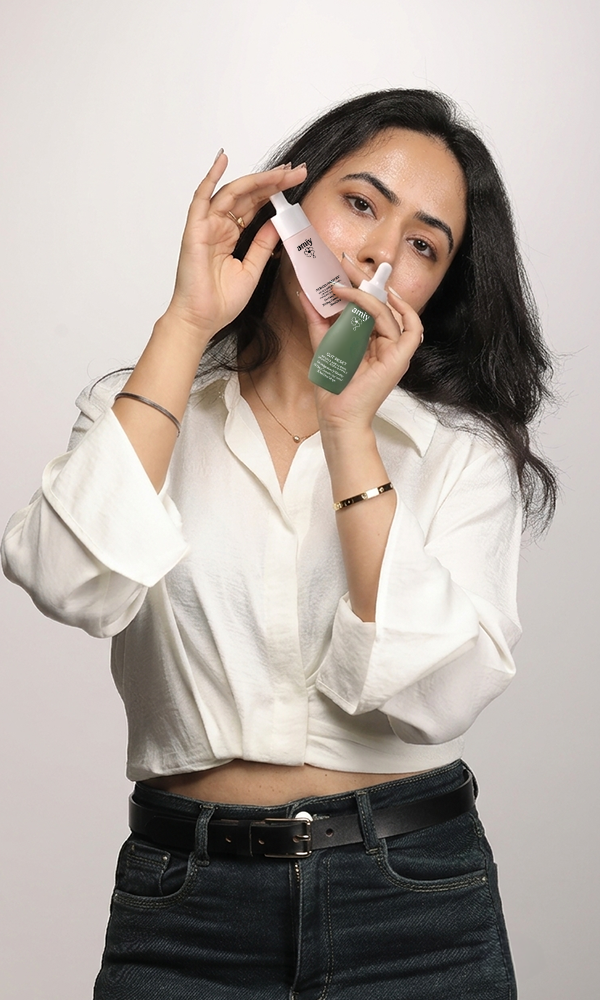
- That is the reason why many people now explore oral drops and internal formulations focused on stress balance, gut health, and hormonal support rather than only targeting the skin surface. Clinically proven formulations like Gut Reset and Acne SOS targets the internal imbalances, delivering radiant skin from within.
Related Resources
- When to Seek Professional Help
- When acne becomes severe, painful, or emotionally distressing, it’s crucial to seek professional guidance.
- Persistent cystic acne, sudden adult breakouts, irregular periods, severe anxiety, or acne that leaves scarring may indicate deeper hormonal or inflammatory issues that need proper evaluation.
- A root-cause approach works best when internal imbalances are identified early.
No FAQs provided
Conclusion Stress acne is not just about clogged pores or oily skin. It’s often a reflection of internal factors — hiked cortisol, nervous system overload, hormonal fluctuations, poor sleep, and gut imbalance. That’s why surface-level treatments alone don’t always work. Once the body begins feeling calmer and more balanced internally, the skin starts responding too. Healing stress acne takes consistency and patience, but long-term improvement becomes much easier when you stop fighting the skin aggressively and start working on it internally.