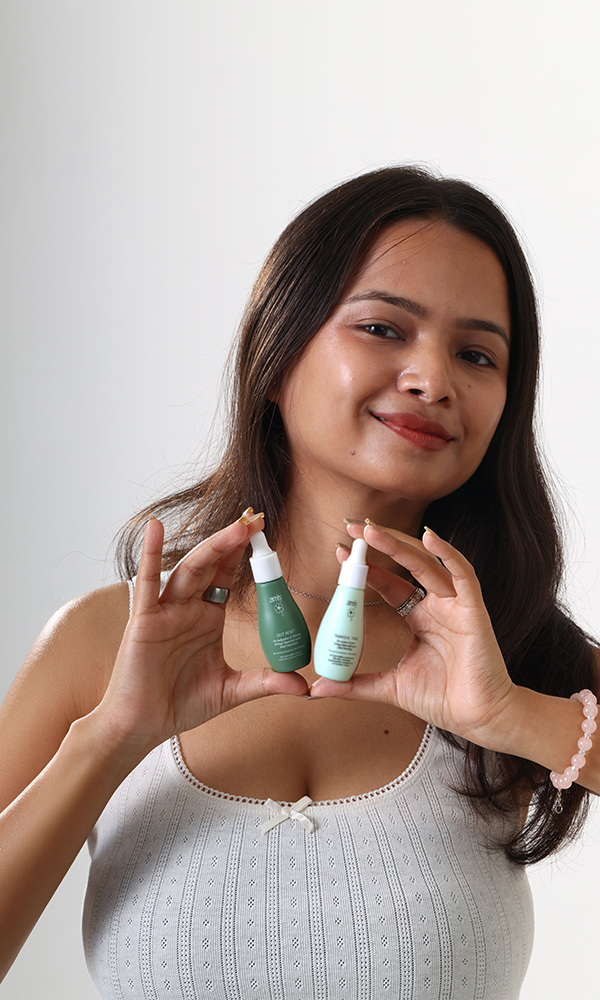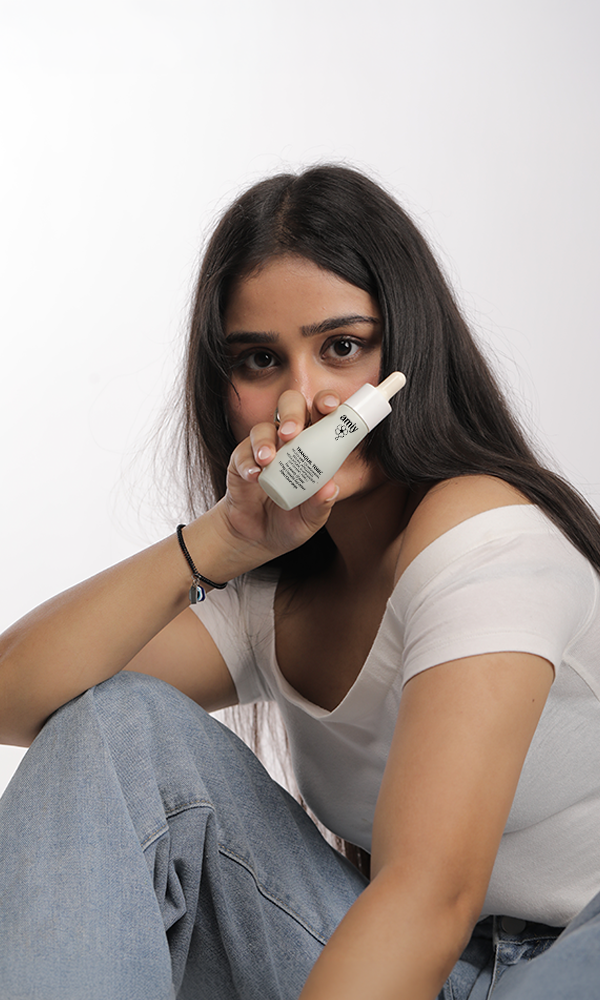



The stress skin and stomach connection is something many people notice before they fully understand it. A stressful week can bring breakouts, bloating, stomach heaviness, irregular bowel habits, or a mix of all of them. The skin and gut may seem unrelated, but they often respond to stress in parallel because they share the same internal messengers. A person may think their face is reacting to skincare or their stomach is reacting to food, while the real trigger is emotional strain, poor sleep, irregular eating, or nervous system overload. The body often speaks through more than one area at once. When stress stays high, the skin and digestive tract can both become more reactive, more inflamed, and slower to settle. This pattern matters because it helps explain why quick fixes often fall short. Washing the face more or taking antacids may calm symptoms for a moment, but the same flare pattern returns if the deeper stress response keeps running in the background.
The body uses the nervous system, immune system, and hormones to respond to pressure. When stress rises, cortisol and adrenaline shift digestion, skin oil production, and inflammatory activity. That is why the stress skin and stomach connection feels so real for many people.
The gut becomes more sensitive, while the skin may become oilier, redder, or more reactive. Both systems can respond at the same time because they are influenced by the same stress chemistry. The body is trying to stay alert, not calm digestion or maintain a steady skin barrier.
When the nervous system stays switched on, the body behaves as if it is handling a problem. Digestion can slow down, stomach spasms can appear, and the skin may break out or feel irritated. This is one reason the stress skin and stomach connection often shows up during exams, family tension, work pressure, or sleep loss.
Some people experience this pattern as bloating, while others notice cramps, constipation, loose stools, acne, flushing, or dull skin. The exact symptoms may differ, but the same internal tension often sits underneath them.
Cortisol is one of the main stress hormones. When it stays elevated, the skin may produce more oil, pores may clog more easily, and breakouts can appear more often. This is part of the stress skin and stomach connection that people often notice before their period or during a difficult work phase.
The skin can also become more reactive when inflammation rises. This may appear as pimples, redness, or a rougher texture. For some people, stress does not create one large breakout. Instead, it causes repeated small flare-ups that never fully settle.
Digestion works best when the body feels safe. Under stress, the body shifts blood flow away from digestion and into survival mode. This can lead to bloating, cramping, nausea, a tight stomach, or changes in bowel habits.
The stress skin and stomach connection becomes easier to understand when you notice a pattern: poor sleep, tense emotions, skipped meals, rushed eating, and digestive symptoms often appear together. The gut does not function well when the body feels under pressure.
The gut-skin axis is the idea that gut health and skin health communicate with each other through inflammation, the microbiome, and the immune system. When the gut is irritated, the skin can show signs of that imbalance. When the skin barrier is stressed, the body may still be dealing with the same deeper inflammatory load.
This connection helps explain the stress skin and stomach connection without making it mysterious. If the gut is inflamed, digestion may slow and the skin may become more reactive. If stress changes the gut bacteria, both bloating and breakouts can follow.
The gut microbiome helps regulate immune activity. When this balance shifts, some people notice more inflammation, increased sensitivity to foods, and more skin issues. This can create acne flare-ups along with digestive discomfort.
A stressed gut may not break food down as comfortably. It may also create more internal irritation, which can appear on the skin. This is why some people feel they are treating acne “from the outside” while the deeper pattern is happening inside.
Some common skin signs connected to stress include breakouts that appear during stressful weeks, increased oiliness when life feels heavier, redness or irritation after poor sleep, and skin that looks dull or inflamed without a clear product trigger.
These signs often appear alongside the stress skin and stomach connection. The skin may react at the same time the gut begins to feel unsettled.
Common stomach signs connected to stress include bloating after meals, a heavy or tight feeling in the abdomen, cramping without a clear food trigger, constipation, loose stools, or a mixed bowel pattern.
Some people may also experience loss of appetite or feel unsettled after eating. When these symptoms rise during the same period as skin flare-ups, stress may be part of the picture.
Many people eat faster when they are stressed. They may skip meals, eat late, or eat while distracted. These habits can make digestion feel worse because the body needs a calmer state to break food down properly.
The stress skin and stomach connection often becomes stronger when meals are rushed, eaten late, or built around highly processed foods. The gut receives less support, and the skin may react to the same inflammatory load.
Stress already challenges the body. When meals are irregular, blood sugar levels may rise and fall more sharply. This can make mood, energy, skin, and digestion feel more unstable.
Some people notice more cravings, increased bloating, and more acne during this cycle. Regular meals with protein, fiber, and enough water often feel gentler on the body compared with skipped meals followed by large late dinners.
Sleep loss can intensify both skin and stomach issues. The skin repairs itself at night, and the digestive system also needs rest to regulate properly. When sleep is short or broken, the body remains more reactive.
This is why the stress skin and stomach connection often feels stronger after a few poor nights. The skin may look dull, bloating may increase, and everything may feel more sensitive. The body is not receiving enough recovery time.
Many flare patterns build throughout the evening. Stress from the day can linger, dinner may happen late, and screens can keep the nervous system active. As a result, the gut and skin are left trying to recover overnight.
A calmer evening routine can help the body shift out of alert mode. This may include dimmer lights, slower meals, and reducing stimulation close to bedtime.
Gentle movement can help reduce tension in the body. A short walk after meals may help digestion feel less heavy, while light movement can help the nervous system shift away from a high-alert state.
This does not need to be intense exercise. Even simple movement can gradually change how the gut and skin feel over time.
Water supports digestion, skin comfort, and bowel regularity. When hydration is low, the gut can feel sluggish and the skin may appear dull or more congested.
Stress often makes hydration worse because people forget to drink enough during busy days. Small, consistent hydration habits are often easier to maintain than making large sudden changes.
Meals that include protein, colorful plants, and healthy fats often feel more balanced than meals based mainly on quick carbohydrates. This can help maintain steadier blood sugar levels and reduce the internal crash that some people experience during stress.
Balanced meals may help the body feel more supported during stressful periods and may reduce some patterns associated with the stress skin and stomach connection.
Some people do better with lighter dinners, especially when stress levels are already high. This may reduce nighttime heaviness and morning skin flare-ups.
The goal is not restriction. The goal is to make evenings less demanding on the body and create conditions that support better digestion and recovery.
The stress skin and stomach connection is a real body pattern, not a coincidence. Stress can raise cortisol, change digestion, increase inflammation, and make the gut and skin react together. When both systems flare at the same time, it often points to a deeper stress load rather than a surface problem alone. Looking at sleep, meal timing, nervous system strain, hydration, and gut health can give a clearer picture than chasing symptoms one by one. The more balanced the internal environment becomes, the less often the skin and stomach need to react at the same time. If you are noticing repeated skin and stomach flare-ups, start by tracking sleep, stress, meal timing, and digestion for a week. Small patterns often reveal the real trigger.