Why Your Acne Gets Worse Before Your Period — And How to Stop the Cycle Naturally
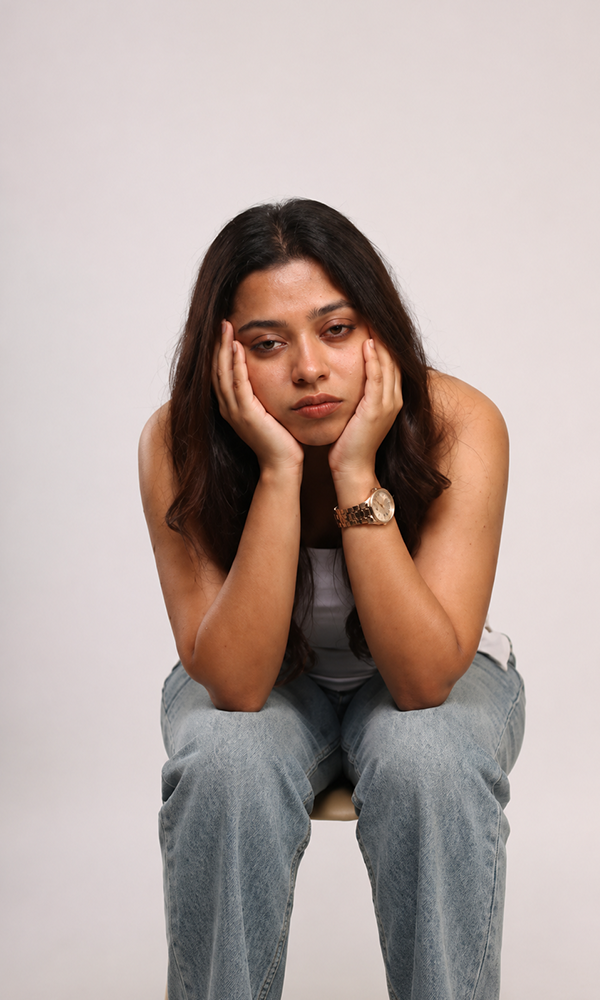
That one feeling when you already know breakouts are coming.
You don’t even need to check the calendar anymore. Your skin tells you first.
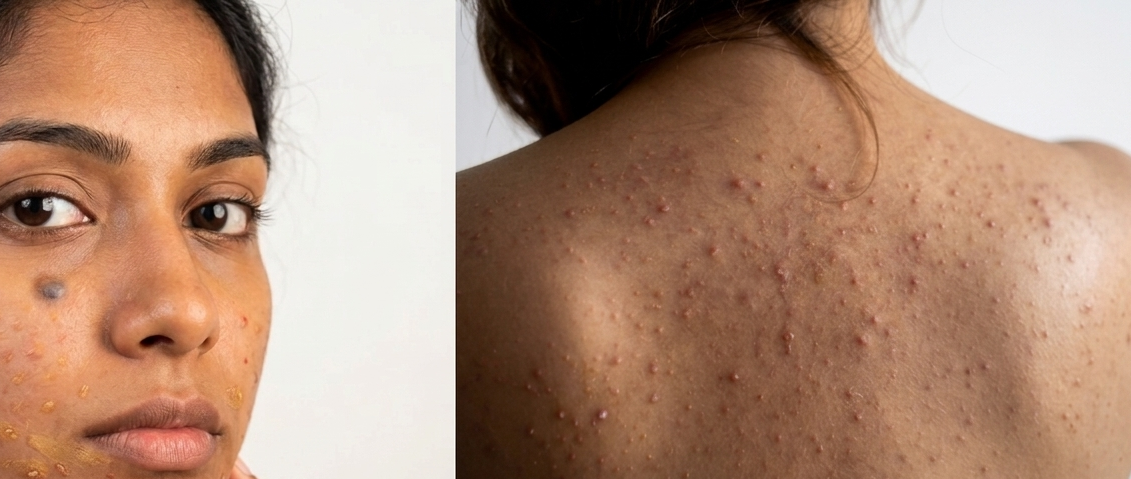
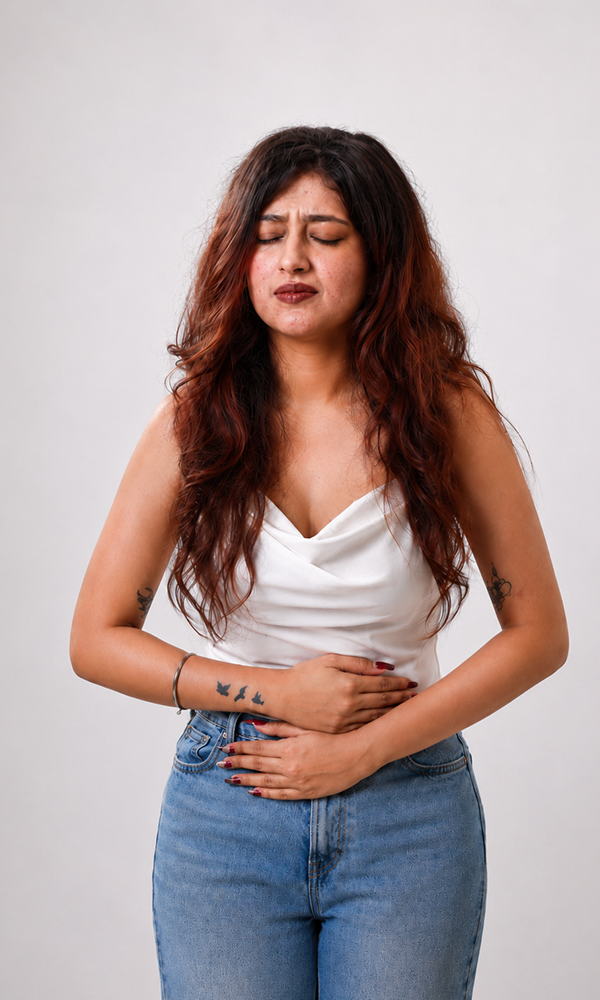
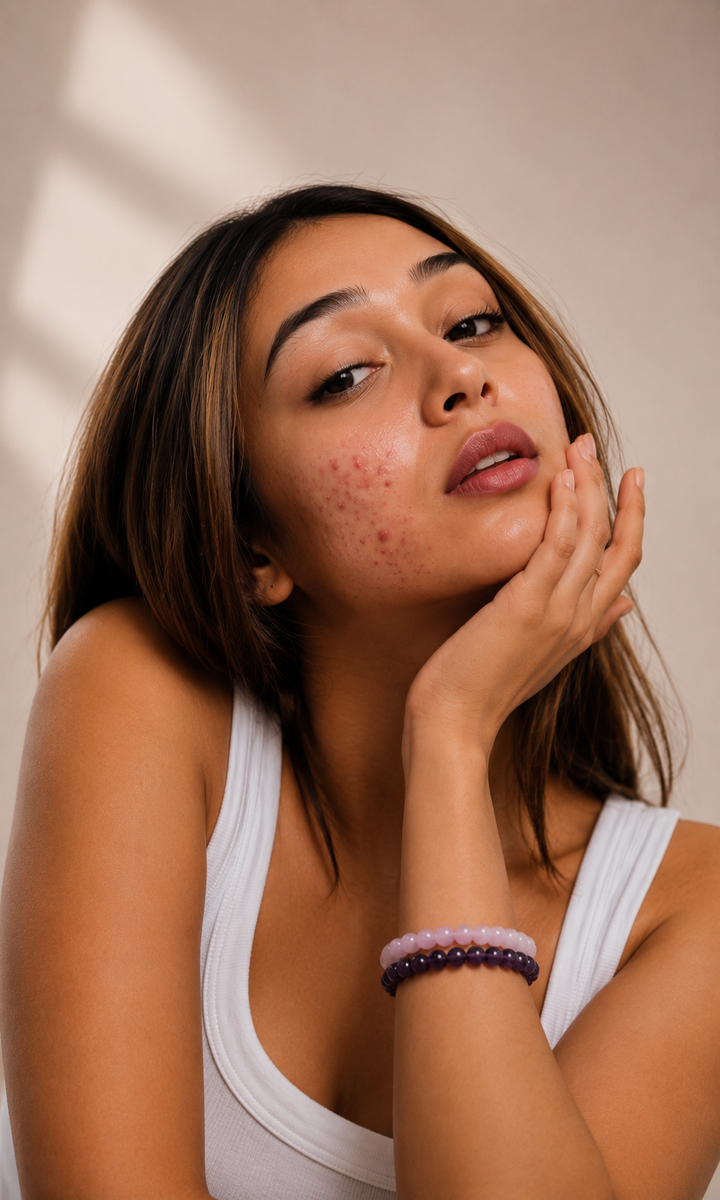
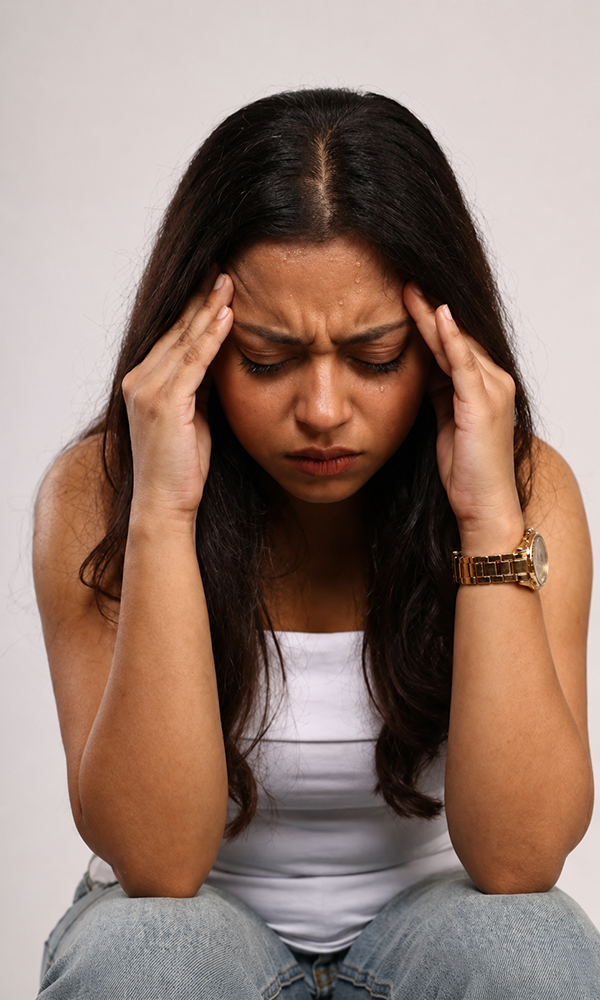
A slight bump under the surface. A little tenderness. Then suddenly, it’s inflamed, painful, and impossible to ignore. And just like every other time—it shows up right before your period.
If this feels familiar, you’re not alone—and more importantly, it’s not just some random breakout days. It's your hormones reacting and showing up on your face.
Due to unawareness, most women treat hormonal acne like other forms of breakouts. Using usual skincare products, drinking more water, and thinking it will fix on its own.
This is exactly why understanding hormonal acne natural treatment becomes important. Because when acne follows a pattern, it’s rarely just about what’s happening on your skin. It’s your body reacting to internal changes—and until those are addressed, the cycle continues.
Table of Contents
- 1. Why Your Acne Gets Worse Before Your Period
- 2. What Happens to Your Skin Before Your Period
- 3. Why Hormonal Acne Reacts Differently
- 4. Why Your Skincare Routine Isn’t Enough
- 5. The Real Triggers Behind Hormonal Acne
- 6. Why the Cycle Keeps Repeating
- 7. How to Break the Cycle Naturally
- 8. When You Need Extra Support
- 9. What Kind of Results Can You Expect?
- 10. Daily Habits That Make a Real Difference
- 11. The Emotional Side of Hormonal Acne
- 12. FAQs
- 13. Conclusion
Key Benefits
- What Happens to Your Skin Before Period
- To understand why acne flares up before your period, it is crucial to understand what your body is going through during this phase.
- The week before your period is called the luteal phase. During this time, your hormones shift in a very specific way:
- - Estrogen levels begin to drop
- - Progesterone rises
- - Androgens become more dominant
- These hormonal changes may seem subtle, but they have a direct impact on your skin.
- Androgens stimulate your oil glands, causing them to produce more sebum. At the same time, the drop in estrogen reduces your skin’s ability to stay balanced and calm.
- This creates the perfect environment for acne:
- - Excess oil builds up
- - Dead skin cells clog pores
- - Bacteria thrives
- - Inflammation increases
- That’s why pre-period acne often feels different—it’s deeper, more painful, and harder to control.
- Why Hormonal Acne Reacts Differently
- Hormonal acne is a bit different from the occasional breakout you get after trying a new product or eating oily food.
- It’s persistent, predictable. And usually more intense.
- Hormonal acne often show up in the same areas (chin, jawline, lower cheeks) and takes longer to heal. On top of that, this kind of breakouts leaves pigmentation behind.
- This happens because hormonal acne goes deeper within the skin. It’s not just a clogged pore—it’s a response to internal signals your body is sending.
- And that’s exactly why quick fixes often fail to treat them.
Why Your Skincare Routine Isn’t Enough
When acne appears, the first instinct is to fix it externally. Most individuals rely on acne serums, spot treatments and exfoliants.
And while these can help manage the appearance of breakouts, they don’t really address the root cause—especially in case of hormonal imbalance.
This is exactly why many people feel stuck. Topical treatments might bring improvement for a few days, but the next cycle brings everything back.
A hormonal acne natural treatment approach changes this perspective. Instead of focusing only on the surface, it works on the internal factors that are triggering the acne in the first place.
The Real Triggers Behind Hormonal Acne
Although hormones are the main factor—they're not the only factor. Hormonal acne is usually the result of multiple internal imbalances working together.
1. Hormonal Fluctuations
Your menstrual cycle naturally involves hormonal changes, but when these fluctuations become more intense or unbalanced, they can overstimulate oil production.
This makes your skin more prone to clogged pores and inflammation.
2. Gut Health Imbalance
Our gut and skin are interconnected.
When your gut health isn’t functioning well, it leads to:
- Poor digestion
- Toxin buildup
- Increased inflammation
All of which can show up as acne.
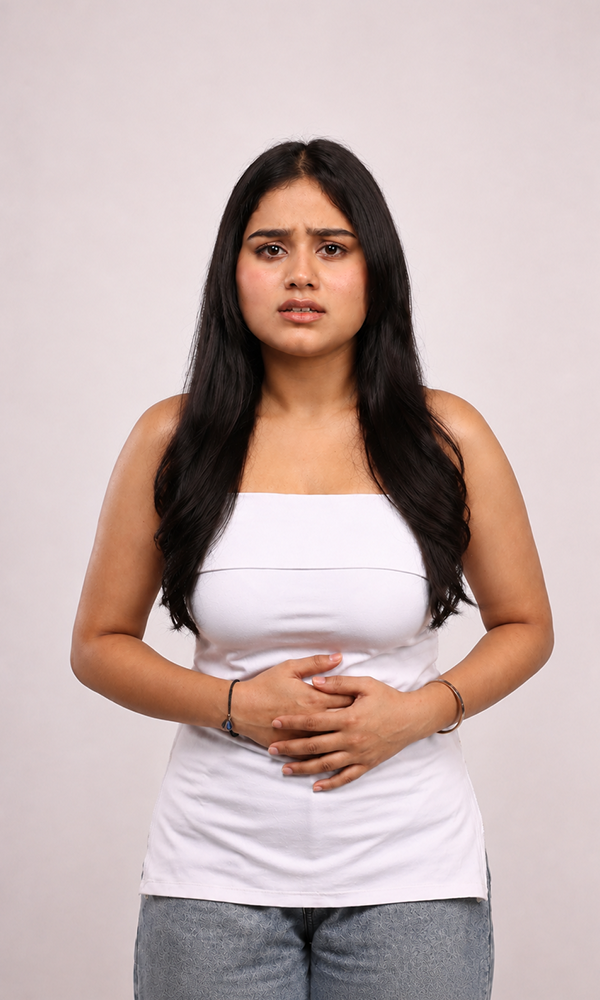
As a result, many people with persistent acne also experience bloating, irregular digestion, or discomfort.
3. Chronic Inflammation
Inflammation is one of the biggest triggers of acne severity.
When your body is in a constant state of low-grade inflammation, your skin becomes more reactive. Consequently, breakouts become more painful and take longer time to heal.
4. Stress & Lifestyle Factors
In modern lifestyle, stress has sadly become a part of everyone's daily life. Being constantly stressed increases cortisol, which in turn disrupts your hormonal balance even further.
Combined with other factors like:
- Poor sleep
- Irregular eating habits
- High sugar intake
It makes the acne worse.
| Why the Cycle Keeps Repeating |
|---|
| Here’s the most important thing to understand: |
| Women’a body goes through the same hormonal shifts every month. |
| If the internal environment hasn’t improved, your skin reacts the same way every time. |
| That’s why hormonal acne feels like a loop—because it is one. |
| Instead of asking, “How do I get rid of this breakout?” |
| The better question is: |
| “How do I reduce the chances of this happening next month?” |
| That’s where a hormonal acne natural treatment approach makes a real difference. |
| How to Break the Cycle Naturally |
| Breaking hormonal acne isn’t about one product or one quick fix. It’s about supporting your body in a way that reduces the trigger itself. |
| 1. Support Hormonal Balance Through Diet |
| What you eat directly impacts your hormones. Incorporate a balanced and healthy diet with nutrient-rich food like: |
| - Whole, nutrient-rich foods |
| - Healthy fats (nuts, seeds, ghee) |
| - Protein in every meal |
| Additionally, try to avoid: |
| - Refined sugar |
| - Processed foods |
| - Excess dairy (if it triggers you) |
| These changes help stabilize your hormone levels over time. |
| 2. Improve Gut Health |
| A healthy gut supports both hormonal balance and skin clarity. Add Simple steps in your daily routine to maintain a healthy gut such as: |
| - Add probiotic foods like curd |
| - Increase fiber intake |
| - Eat warm, easily digestible meals |
| When your digestion improves, your skin often follows the path, looking clear and radiant. |
| 3. Reduce Internal Inflammation |
| Inflammation makes acne worse and slows healing. Natural anti-inflammatory ingredients like Turmeric, Ginger and Tulsi helps to detoxify and calm your system over time. |
| 4. Regulate Your Sleep & Stress |
| Your body repairs and balances hormones while you sleep. |
| Lack of rest and high stress can disrupt this process, making acne more frequent and severe. |
| Even small changes—like a consistent sleep schedule or daily movement—can help. |
| 5. Stay Consistent |
| This is the hardest part—but also the most important. |
| Natural approaches take time. But instead of temporary results, they create long-term change. |
| Over time, you may notice: |
| - Breakouts becoming less severe |
| - Faster healing |
| - More balanced skin across cycles |
When You Need Extra Support
Sometimes, even after making lifestyle changes, your skin may still need additional support—especially if hormonal acne has been persistent for a long time.
In such cases, a more structured approach can help.
Instead of trying random products, combining solutions that target multiple internal triggers—like gut health, hormonal balance, and acne—can be more effective.
For example, pairing:
- Gut-focused care to improve digestion
- Targeted acne support
- Hormonal balance support
creates a more complete system rather than isolated efforts.
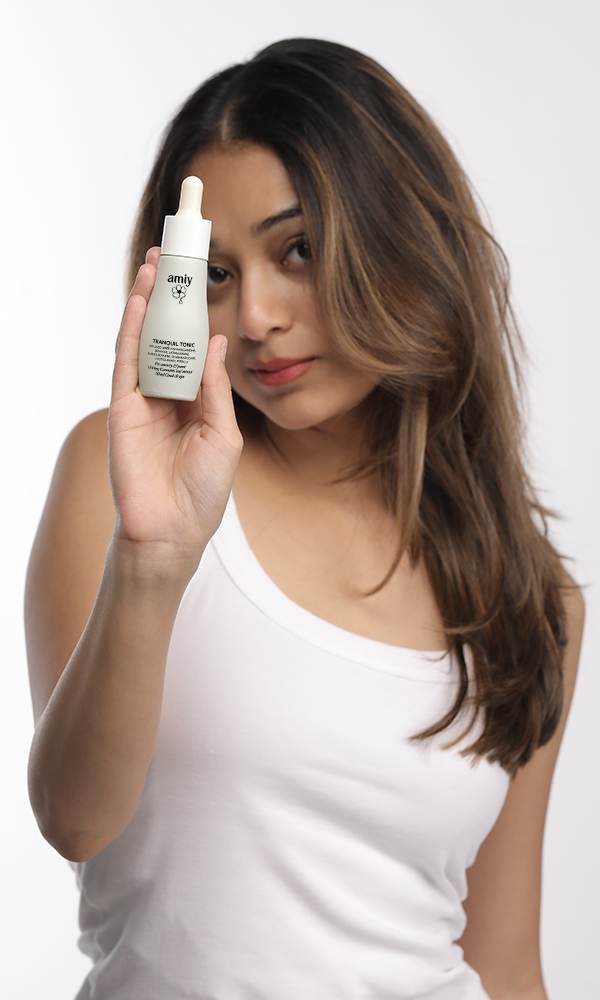
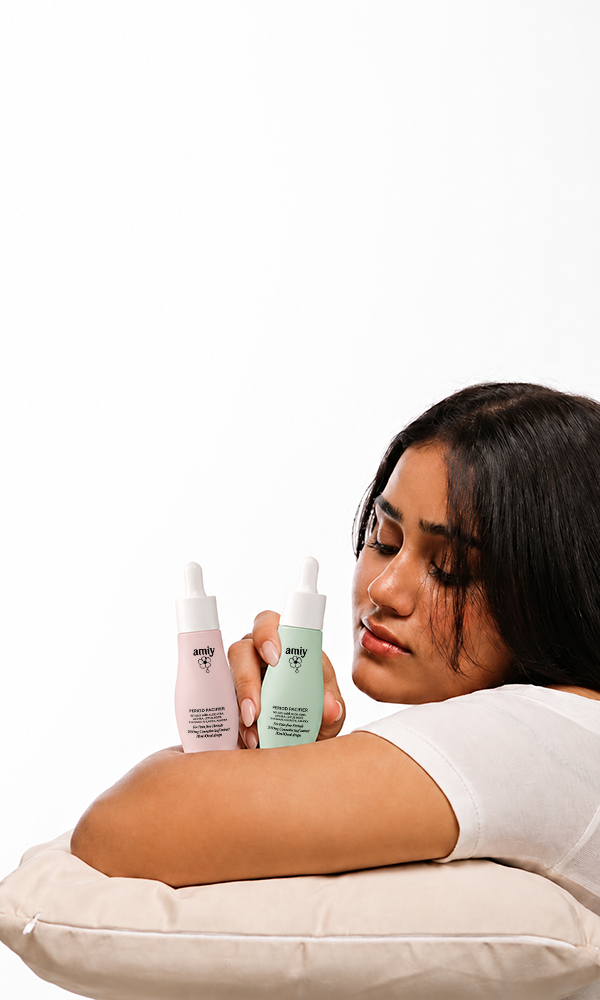
This is exactly where thoughtfully created combinations like the Amiy Hormonal Acne Balance Triocome to rescue.
The combo includes Gut Reset, Acne SOS, and Period Pacifier, which works across internal imbalances—helping reduce the frequency and intensity of recurring breakouts over time.
Steps
- What Kind of Results Can You Expect?
- With a consistent natural approach, results don’t happen overnight—but they are more sustainable.
- You may start noticing:
- - Fewer breakouts before your period
- - Less painful acne
- - Faster healing time
- - Reduced pigmentation
- - More balanced skin overall
- Tracking your cycle can help you see these changes more clearly.
Related Resources
- Daily Habits That Make a Real Difference
- Sometimes it's not about the bigger steps, but the simplest habits that have the biggest long-term impact.
- 1. Prioritize Sleep
- Our body does most of the repair work while we sleep; which makes it essential to have at least 6-8 hours of quality sleep to allow our body to heal.
- 1. Stay Hydrated
- Proper hydration plays a key role in regulating our daily body functions. Having enough water helps body to flush out toxins and aids digestion, keeping your skin clear from within.
- 1. Avoid Overloading Your Skin
- Too many products can irritate hormonal acne and make it worse. Stick to a simple but consistent skincare routine.
- 1. Track Your Cycle
- Understanding your body’s rhythm helps you manage acne more effectively. Notice the breakout patterns like— when they start to begin; being aware will help you to be prepared in advance.
- The Emotional Side of Hormonal Acne
- Hormonal acne isn’t just about how your skin looks—it’s about how it makes you feel.
- It’s the frustration of trying everything and still seeing the same result.
- It’s the hesitation before stepping out.
- It’s the constant cycle of hope and disappointment.
- But here’s the shift—once you understand that your acne follows a pattern, it stops feeling random.
- And when it stops feeling random, it becomes something you can actually work on.
Frequently Asked Questions
u
cne get worse before my period? During period, hormonal changes like increased androgens—boost oil production, leading to clogged pores and breakouts. 2. Is hormonal acne different from regular acne? Yes, hormonal acne is deeper, more painful, and usually takes a longer time to heal. 3. Can skincare alone treat hormonal acne? Not completely. Skincare helps manage symptoms, but internal factors like hormones and gut health need attention. 4. How can I reduce hormonal acne naturally? Focus on balanced diet, gut health, stress management,
Conclusion
Hormonal acne doesn’t have to be something you endlessly chase.
When you shift towards a hormonal acne natural treatment approach, you’re not just reacting to breakouts—you’re addressing what’s causing them in the first place.
Because clear skin isn’t just about what you apply.
It’s about what you support from within.
And when that internal balance starts improving, your skin begins to reflect it—cycle by cycle.