




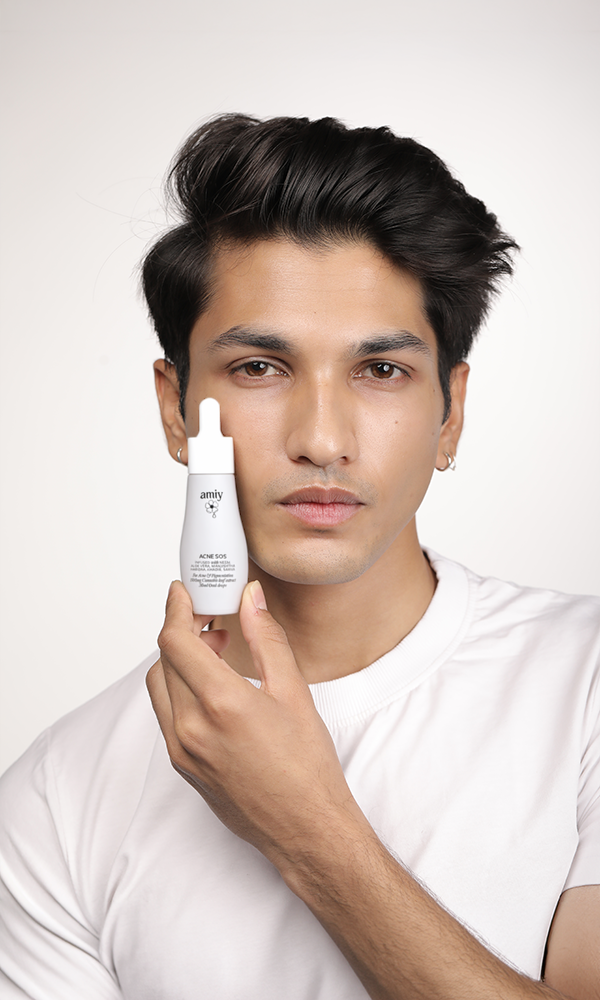

Dealing with acne takes more than slapping on a spot treatment and hoping for the best. When you're fighting breakouts, you might also be managing oily skin, inflammation, scarring, and the emotional toll that comes with visible blemishes. The challenge intensifies when different areas of your face respond differently to treatment, or when acne flares up at different times of the year. The real problem? Most people approach acne with a one-size-fits-all mentality. They grab whatever their friend recommended or whatever the pharmacy shelf happened to stock. That approach rarely works because acne itself is multifaceted. It shows up differently depending on your age, hormones, skin type, genetics, lifestyle, and environment. This guide walks you through what dermatologists have learned about treating acne when multiple skin issues are at play. We'll cover why simple solutions fall short, what actually works when you layer different treatments, and how to build a personalized plan that addresses your unique combination of skin problems.
Layered topical approaches for visible results
Starting with topical treatments makes sense because they reach surface acne directly and come with fewer systemic side effects than oral medications. The most effective regimens combine complementary agents that work on different parts of the problem.
Benzoyl peroxide forms the foundation of most professional acne protocols. It kills bacteria and reduces inflammation within hours of application. Unlike antibiotics, bacteria cannot develop resistance to benzoyl peroxide because it works through oxidation rather than selective inhibition. Even better, lower concentrations (2.5 to 5 percent) work as well as higher ones while causing less irritation. Use it in the morning because sunlight breaks it down and it bleaches fabric.
Retinoids belong in your evening routine. Prescription options like tretinoin penetrate deeper than over-the-counter retinol, unclogging follicles and speeding cell turnover. They combat both existing breakouts and prevent new ones from forming. The trade-off is an adjustment period lasting three to four weeks where skin may appear worse before improving. Using tretinoin with benzoyl peroxide in separate applications prevents interactions and maximizes benefit.
Salicylic acid works differently from both. This beta hydroxy acid dissolves the sebum and dead cells plugging pores. A two percent concentration applied as a leave-on treatment complements tretinoin use on alternate nights or can function independently for mild acne. The combination of benzoyl peroxide (antibacterial and anti-inflammatory) plus salicylic acid (exfoliating) addresses multiple pathways simultaneously.
For inflammatory acne and sensitive skin, azelaic acid offers surprising power. This naturally occurring compound has antibacterial properties and specifically targets inflammation and abnormal pigmentation. It works well with retinoids and suits those who find benzoyl peroxide too harsh. Using azelaic acid twice daily can replace benzoyl peroxide in custom protocols.
Niacinamide has gained recognition recently for moderating sebum production and supporting skin barrier function. Five to ten percent formulations in serums or moisturizers reduce redness and minimize pores. It layers safely with all other topical treatments and actually softens some of the drying effects of stronger actives.
Systemic treatments when topicals reach their limits
Oral medications work by addressing acne from the inside out. They circulate through the bloodstream and reduce the systemic factors driving breakouts. Most dermatologists introduce oral treatments when moderate acne covers large areas, when topicals cause excessive irritation, or when an underlying hormonal component is evident.
Oral antibiotics like doxycycline or minocycline reduce bacterial populations and inflammation. However, resistance builds over time, so these work best as temporary measures combined with benzoyl peroxide, which prevents resistance development. Patients typically see improvement within two to four weeks. The goal is to eventually stop antibiotics while maintaining clearing with topicals and other approaches.
For women and people with menstrual cycles, hormonal approaches offer elegant solutions when acne clearly ties to cycle patterns. Certain birth control formulations suppress androgens or balance progesterone levels, reducing sebum production. Combined oral contraceptives containing norgestimate or desogestrel show the strongest acne-fighting evidence. Results appear slowly, often taking three to four months, so adding complementary topical treatment accelerates improvement.
Spironolactone, an anti-androgen medication originally developed for hypertension, has earned a solid reputation for treating female hormonal acne. It blocks androgen receptors at the oil gland level, reducing sebum production regardless of hormone levels. Dermatologists often prescribe it alongside oral contraceptives for additional benefit.
Isotretinoin (commonly known by brand names like Accutane) represents the most powerful tool in acne medicine. This vitamin A derivative shrinks oil glands permanently in most users, leading to long-term or permanent clearance. However, it carries serious risks including severe birth defects, depression, and liver issues, which is why it requires monthly monitoring, pregnancy prevention, and informed consent. Reserve it for severe scarring acne unresponsive to everything else.
Smart combination strategies that work together The most successful acne-clearing protocols layer treatments strategically. Each component addresses specific parts of the problem while complementary choices prevent conflicts and amplify results. Morning Routine Example: Cleanse with a gentle hydrating cleanser, apply two to five percent benzoyl peroxide solution or lotion, wait five minutes, apply niacinamide serum, and finish with a noncomedogenic, broad-spectrum sunscreen SPF 30 or higher. Benzoyl peroxide kills bacteria while niacinamide soothes and refines pores. Evening Routine Example: Cleanse thoroughly (acne bacteria hide in residual makeup), apply tretinoin 0.025 percent (or increase concentration as skin adapts), wait ten to fifteen minutes for it to dry completely, then apply a lightweight moisturizer. This prevents the severe dryness tretinoin alone causes while allowing it to work effectively. For Moderate Inflammatory Acne: Add an oral antibiotic like doxycycline in the morning for two to three months while using benzoyl peroxide topically. Once inflammation subsides, drop the antibiotic but continue topical management with retinoid plus benzoyl peroxide. The temporary boost from oral medication prevents worsening while foundational topicals take effect. For Hormonal Acne in Women: Combine a hormonal birth control pill providing acne benefit with topical retinoid at night and benzoyl peroxide or azelaic acid in the morning. Some dermatologists add spironolactone as well. This three-pronged approach controls androgen-driven sebum production, unclogs pores, and kills bacteria simultaneously. Lifestyle factors that amplify treatment success Medications and topicals address the biological mechanisms of acne, but lifestyle factors determine how effectively treatments work and how quickly clearing happens. Sleep quality matters more than many realize. During sleep, your body reduces cortisol (stress hormone) and increases growth hormone, both supporting skin healing. Poor sleep elevates cortisol, triggering additional sebum production and inflammation. Aim for seven to nine consistent hours nightly. Those with chronic poor sleep often see improvement simply by fixing sleep patterns, even without changing skincare. Stress management isn't fluff. Stress hormones stimulate oil glands and intensify inflammation. Regular exercise reduces stress hormones, improves circulation delivering oxygen and nutrients to skin, and modulates immune response reducing inflammatory acne. However, immediately wash your face and change clothes after exercising because sweat mixed with bacteria and friction creates perfect conditions for breakouts. Diet carries less importance than marketing suggests, but some patterns do matter. High-glycemic foods spike insulin, which increases IGF-1, a growth factor promoting sebum production and follicle inflammation. Consistently choosing low-glycemic options (whole grains, vegetables, protein) can reduce acne severity. Dairy appears problematic for some people, particularly skim milk, possibly due to hormones in commercial milk. Elimination trials help identify if this applies to you. Product selection extends beyond actives. Heavy occlusive moisturizers, greasy sunscreens, and pore-clogging makeup products worsen acne. Choose noncomedogenic formulations tested to not trigger breakouts. Avoid astringents and alcohol-based products that damage your skin barrier, paradoxically making acne worse by triggering reactive oil production.
Treating acne scars and post-inflammatory changes Preventing scarring through early effective acne treatment remains the best approach. However, acne scars do respond to various interventions once they've formed. Chemical peels using salicylic acid, glycolic acid, or trichloroacetic acid remove the outermost skin layers. This works for mild scarring and post-inflammatory hyperpigmentation. Multiple sessions spaced two to four weeks apart provide cumulative improvement without downtime. Laser resurfacing treatment uses focused light energy to stimulate collagen remodeling beneath scarred skin. Fractional lasers create microscopic treatment zones, allowing faster recovery than traditional full-face resurfacing. Results appear gradually as collagen reorganizes over months. Microneedling uses tiny needles to create controlled micro-injuries, triggering collagen production and remodeling. It works for various scar types and combines safely with other treatments. Radio-frequency microneedling adds thermal energy, intensifying collagen stimulation. Dermal fillers offer temporary improvement for depressed scars by raising the scar level toward surrounding skin. Results last three to twelve months depending on filler type. This works while pursuing longer-term collagen-stimulating approaches.


