Black Pimple on Face: Why It Keeps Appearing and What Is Actually Driving It
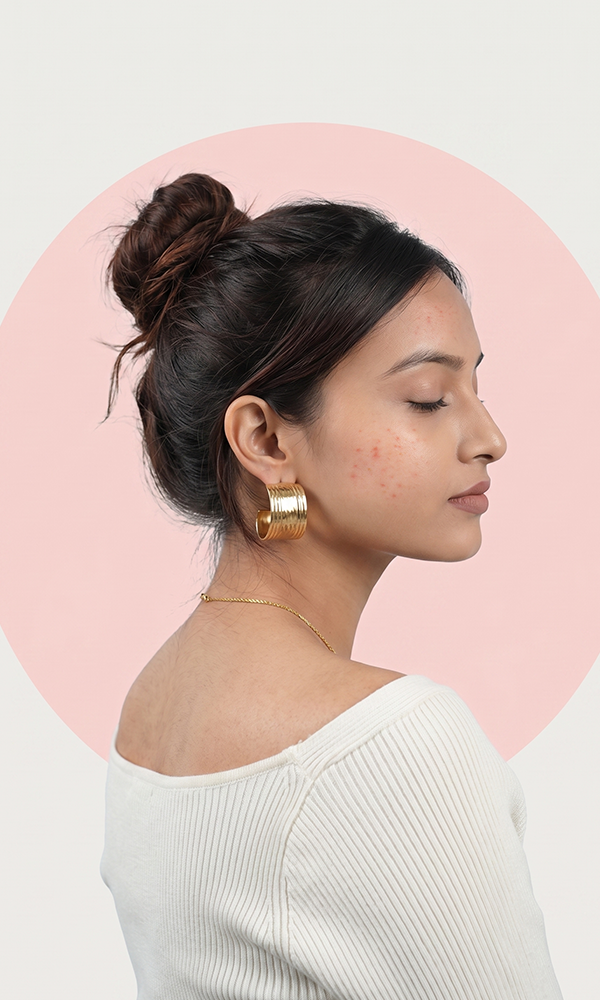
A black pimple on the face is one of the most common and frustrating skin concerns adults deal with — whether it shows up as a single deep cyst on the chin, clusters of blackheads across the nose, or recurring dark-topped blemishes that leave dark marks long after they heal. Most people attack these with spot treatments, pore strips, or extraction — and they come back anyway. The reason is straightforward: what shows up on the skin surface is a symptom of an internal environment that keeps recreating the conditions for blackheads, congestion, and inflammatory pimples. Until that environment changes, the spots will keep forming. This guide explains what is really driving a black pimple on the face and what a root-cause approach actually looks like.
Table of Contents
- 1. Black Pimple on Face: Why It Keeps Appearing and What Is Actually Driving It
- 2. What Is a Black Pimple on the Face?
- 3. The Internal Conditions That Create Black Pimples
- 4. Gut Health and Facial Pimples
- 5. Hormones, Insulin, and Sebum Overproduction
- 6. Why Post-Pimple Dark Marks Form
- 7. Clinical Insight: What Research Says About Acne and Diet
- 8. Key Internal Drivers Behind Black Pimples on Face
- 9. Why Topical Treatments Alone Rarely Solve the Problem
- 10. Root-Cause Approaches for Lasting Skin Clearance
- 11. Expert Perspective on Blackheads and Sebum Production
- 12. FAQs
- 13. Conclusion
Key Benefits
- What Is a Black Pimple on the Face?:
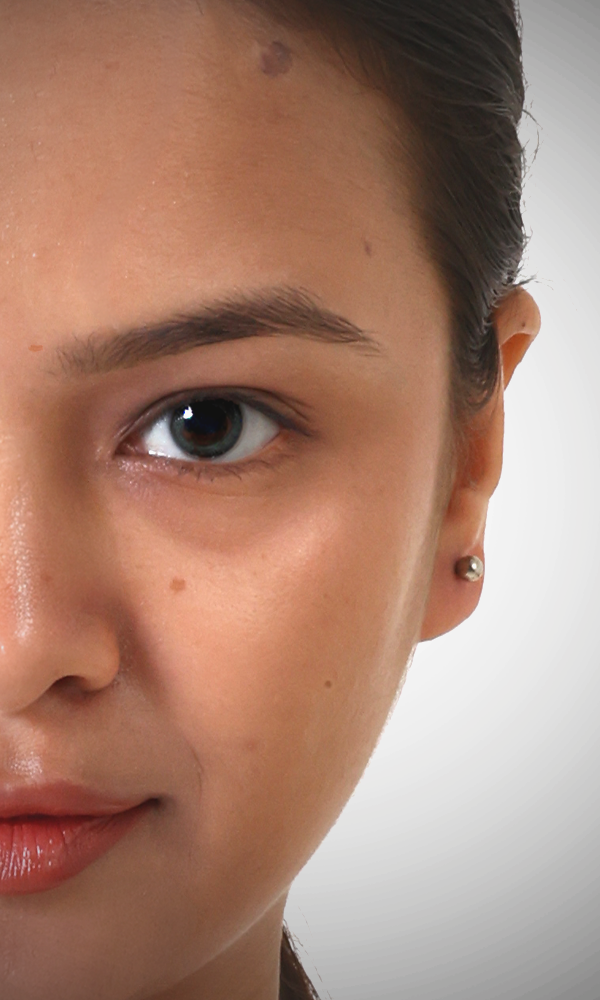
- The term covers several distinct lesions. An open comedone — commonly called a blackhead — forms when a pore becomes clogged with sebum and dead skin cells. The dark colour is not dirt. It is the result of melanin oxidation when the clogged material is exposed to air at the open pore surface. A closed comedone (whitehead) is the same clog with the pore closed, which turns into an inflammatory pimple when bacteria proliferate inside the blocked follicle.
- A cystic pimple on the chin or jawis a deeper, more inflamed lesion — often painful, nodular, and involving the sebaceous gland itself. These tend to leave the most significant dark marks (post-inflammatory hyperpigmentation) because the inflammatory response is more intense and deeper in the tissue.
The Internal Conditions That Create Black Pimples:
Every blackhead starts with two things: excess sebum production and impaired keratinocyte turnover (where dead skin cells accumulate rather than shed cleanly). Sebum overproduction is driven by androgens, insulin-like growth factor 1 (IGF-1), and cortisol — all of which are influenced by diet, stress, and hormonal balance. When sebum production is chronically high and the skin's surface turnover is sluggish, pore congestion is structurally inevitable regardless of how well the face is cleansed.
This is why washing the face more frequently or using stronger cleansers rarely prevents blackheads — the sebum is being produced from inside the follicle, not deposited from outside.
Gut Health and Facial Pimples:
A disrupted gut microbiome contributes to blackheads and facial pimples through two main pathways. First, gut dysbiosis increases systemic inflammation — via LPS translocation through a permeable gut lining — which heightens the inflammatory response within pores, turning simple comedones into red, painful lesions. Second, the estrobolome (gut bacteria managing estrogen clearance) affects circulating estrogen, which modulates sebaceous gland sensitivity. A dysbiotic gut allows more estrogen recirculation, keeping oil glands more active throughout the month.
People who notice their skin congestion worsens alongside bloating, irregular digestion, or post-meal discomfort are often experiencing the skin expression of gut-driven hormonal and inflammatory disruption — not a skincare issue.
Hormones, Insulin, and Sebum Overproduction:
Androgens — testosterone and DHEA — are the primary stimulants of sebaceous glands. Elevated androgens, or elevated sensitivity to normal androgen levels (as seen in PCOS), produce chronically overactive oil glands. High-glycaemic diets spike insulin and IGF-1, which directly amplifies androgen signalling in sebaceous tissue — this is why diet consistently appears as a modifier of acne severity in clinical research.
Cortisol adds a third layer: it binds to CRH receptors on sebaceous glands and independently increases oil production, which is why stress-driven black pimples on the face and chin are so common during high-pressure periods.
Why Post-Pimple Dark Marks Form:
When a pimple — especially a deeper cystic one — resolves, the inflammatory event often leaves a dark mark (post-inflammatory hyperpigmentation, or PIH). Melanocytes in the surrounding tissue overrespond to the inflammatory signal, depositing excess melanin at the site. The more intense the inflammation, the deeper the pigmentation. Reducing the inflammatory severity of pimples — through internal anti-inflammatory approaches — reduces both the lesion and the dark mark it would otherwise leave.
Research published in the Journal of the Academy of Nutrition and Dietetics found that participants who consumed a low-glycaemic diet for 12 weeks showed a 22 percent reduction in acne lesion count — driven by reduced IGF-1 and sebum production, not by any topical change.
| Driver | Mechanism | What Addresses It |
|---|
| Excess sebum | Androgens + IGF-1 stimulate oil gland overproduction | Reduce high-GI diet, manage insulin and cortisol |
| Pore congestion | Dead skin cell accumulation blocks follicle | Consistent exfoliation and keratinocyte turnover support |
| Bacterial proliferation | P. acnes overgrowth in blocked pore triggers inflammation | Gut microbiome balance, anti-inflammatory nutrition |
| Post-pimple dark marks | Melanocyte overreaction to inflammation | Reduce inflammation severity at root |
| Hormonal trigger | PCOS, luteal phase androgens, stress cortisol | Hormonal rebalancing, liver estrogen clearance |
"A blackhead is not a hygiene problem — it is a sebum production problem. And sebum production is driven by what is happening internally: insulin, androgens, cortisol, and gut-driven inflammation. No amount of topical treatment changes those four variables." — Clinical Dermatology Perspective
Steps
- Reduce high-glycaemic foods — refined carbohydrates, white rice, sugary drinks — for four to six weeks and assess the effect on oil production and pore congestion
- Add fermented foods and prebiotic fibres daily to begin restoring gut microbial diversity and reducing LPS-driven skin inflammation
- Manage cortisol with consistent sleep timing — even one extra hour of sleep at a regular time reduces overnight cortisol peaks that stimulate sebaceous glands
Related Resources
- Support liver estrogen clearance with cruciferous vegetables three times per week to normalise estrobolome-driven hormone recirculation
- Use a gentle, non-stripping cleanser twice daily — over-cleansing increases sebum production via rebound hyperactivity of oil glands
- Consider an internal botanical formulation targeting androgen-driven sebum production and gut-skin axis inflammation rather than topical-only approaches
Frequently Asked Questions
Why does a black pimple on the face keep coming back in the same spot?
Recurring pimples in the same spot usually indicate a persistently overactive sebaceous gland at that follicle, driven by localised androgen sensitivity, chronic inflammation, or a scarred follicle wall from previous lesions. Without reducing the sebum-driving internal signals — insulin, IGF-1, cortisol, or androgens — the follicle will keep refilling.
Is a blackhead the same as a black pimple?
Not exactly. A blackhead (open comedone) is a non-inflammatory clogged pore whose dark colour comes from melanin oxidation, not dirt. A black pimple with inflammation is a comedone that has become infected with bacteria, creating redness, swelling, and pain. Both start with the same internal conditions — excess sebum and impaired keratinocyte shedding.
Can gut health really cause blackheads and facial pimples?
Yes. Gut dysbiosis increases systemic low-grade inflammation that heightens pore reactivity, and disrupted estrobolome function keeps estrogen and androgen signalling elevated, sustaining sebum overproduction. People who address gut health alongside acne management consistently report improved skin congestion, reduced lesion frequency, and faster healing of existing spots.
Does stress cause black pimples on the face?
Directly. Cortisol binds to CRH receptors on sebaceous glands and independently stimulates oil production. It also elevates systemic inflammation, worsening pore reactivity. Consistently high stress maintains both drivers simultaneously, which is why acne reliably worsens during emotionally demanding periods.
How long does it take for internal approaches to reduce blackheads?
Dietary and gut health changes typically produce visible reductions in skin oiliness and pore congestion within six to ten weeks, as the hormonal and inflammatory signals driving overactive sebaceous glands gradually normalise. Full clearance of existing comedones takes longer — four to eight weeks per skin turnover cycle — but the rate of new formation reduces earlier.
Do black pimples leave permanent marks?
Most post-inflammatory hyperpigmentation from pimples is not permanent — it fades over weeks to months as skin turns over and melanin disperses. Deeper scarring from cystic lesions can be more persistent. Reducing the inflammatory severity of pimples at their root reduces both the likelihood and depth of the marks they leave.
A black pimple on the face is not a cleansing failure or a matter of using the wrong product. It is the visible result of an internal environment producing too much sebum, too much inflammation, and insufficient hormonal balance to keep pores clear. When those internal conditions change — through gut restoration, insulin regulation, cortisol management, and reduced androgen stimulation — the skin changes along with them. Start with the variables you can directly influence today: what you eat, how consistently you sleep, and whether your gut is contributing to or reducing the inflammatory burden your skin has to manage.