
How to reduce itchy pimples naturally with simple habits, diet tips, and gentle care that calm acne, prevent scratching, and protect your skin barrier.

Itchy pimples can be more frustrating than painful ones. The constant urge to scratch can feel impossible to ignore, yet scratching almost always makes acne worse—leading to more redness, delayed healing, and marks that last longer. If you’re searching for how to reduce itchy pimples, the good news is that itching usually signals irritation rather than infection. With the right care, you can calm the skin, reduce inflammation, and ease the itch safely and naturally.
Let’s break this down in a simple, practical way that supports healing without harming your skin.

Not all acne itches. When it does, your skin is reacting to stress, imbalance, or irritation at the surface or deeper layers.
Common reasons include:
Inflammation: Red, swollen pimples stretch the surrounding skin, triggering itch signals
Dryness: Over-washing, alcohol-based products, or harsh treatments strip natural oils
Sweat and heat: Trapped sweat irritates pores, especially in hot or humid weather
Healing phase: Pimples and scars may itch as new skin cells form
Product reactions: Certain creams, face washes, or actives can irritate sensitive skin
Understanding the root cause helps you learn how to reduce itchy acne without damaging your skin barrier.
This is a common concern.
If itching increases after applying a product, stop using it immediately. Skin discomfort is a sign your skin needs gentler care, not stronger treatment.
Scratching spreads bacteria, worsens inflammation, and increases the risk of scars. Instead, focus on calming the skin safely.
Wash your face twice daily with a mild, sulphate-free cleanser. Avoid scrubs, brushes, or exfoliating tools on active acne, as they worsen itching.
A clean cloth dipped in cool water and placed on the area for 5 minutes helps reduce redness, swelling, and itch without irritation.
Dry skin itches more. A light, non-comedogenic moisturiser protects the skin barrier and reduces sensitivity.
Hot showers, steam, and heavy workouts can worsen itchy pimples. Rinse sweat quickly and keep skin cool whenever possible.
Frequent touching transfers bacteria and delays healing, making itching last longer.
Natural care works best when skin is inflamed but sensitive. Gentle habits calm the skin without causing further stress.
Helpful options include:
Avoid lemon, baking soda, toothpaste, or harsh DIY hacks. These may burn the skin and worsen itching.
Yes. Skin health is closely linked to digestion and internal balance.
Foods that may increase itching include:
Foods that support calmer skin:
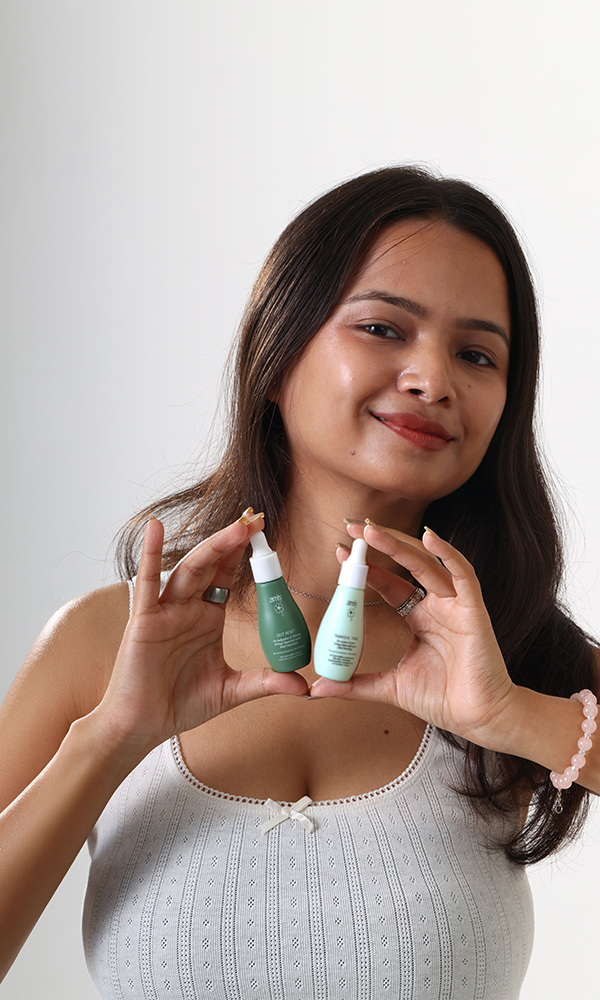
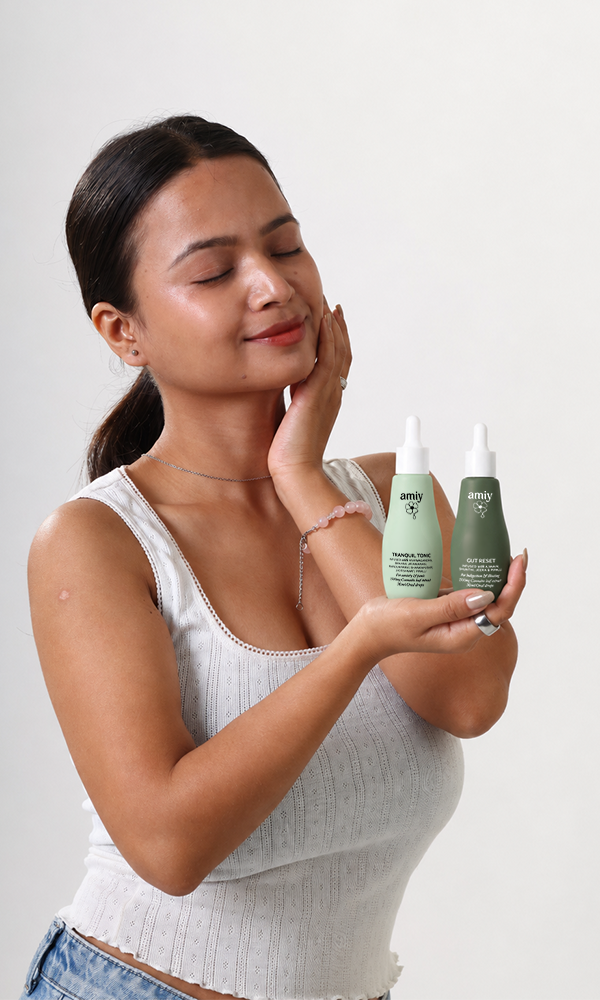
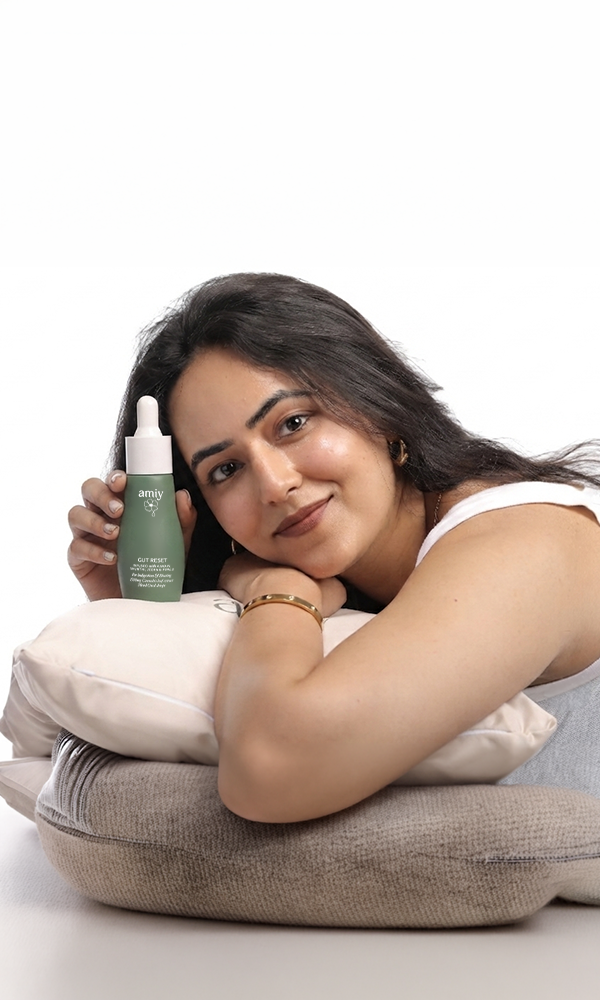
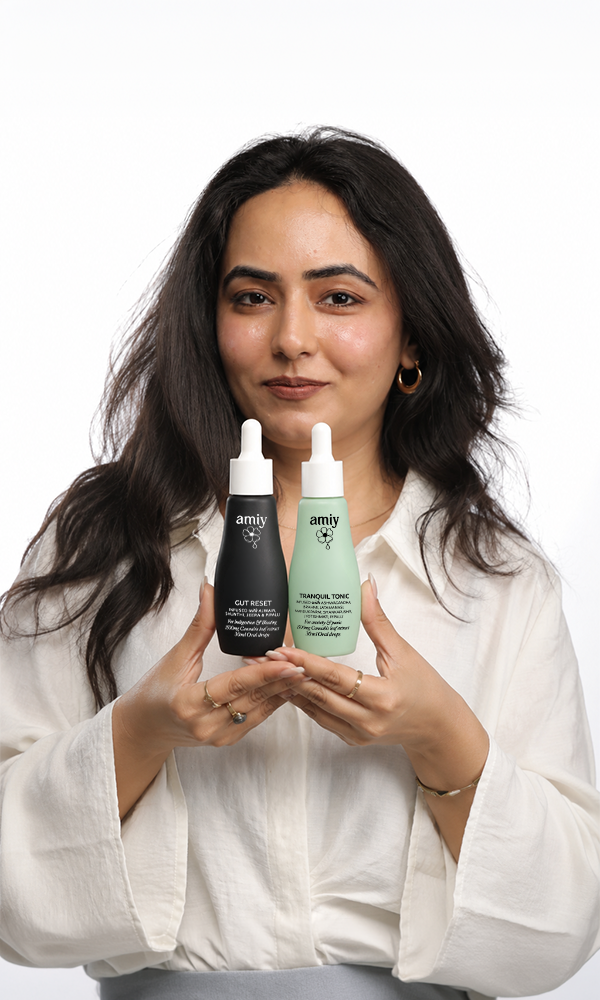
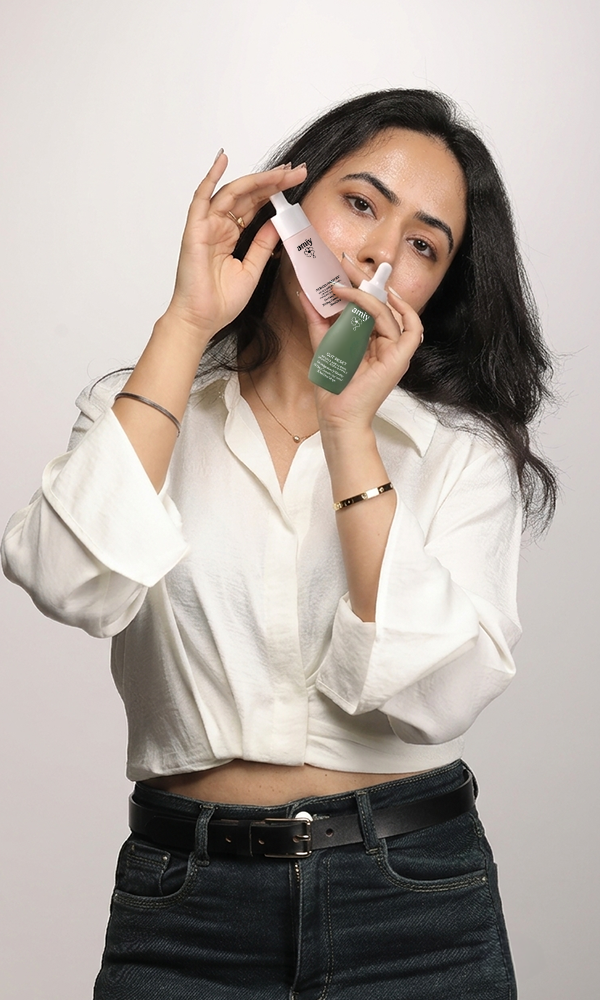
Good digestion helps reduce internal inflammation. This is why supporting gut health plays an important role in managing recurring itchy acne. Products like Gut Reset are often used to support digestive balance, which reflects directly on skin clarity.
Healing acne scars may itch as new skin forms and repairs itself. This is common, but care is important.
To reduce scar-related itching:
If scars become thick, painful, or extremely itchy, consult a skin professional early to prevent long-term issues.
Reach out to a healthcare provider if:
Early guidance helps prevent pigmentation and permanent marks.

Skin often reacts to internal imbalance. Ayurveda views itchy pimples as a combination of inflammation, digestive stress, and heightened skin sensitivity.
Natural internal formulations that support:
may help calm recurring itchy acne when used consistently. Acne SOS is designed to support skin clarity and calm inflammation using a gentle, plant-based approach.
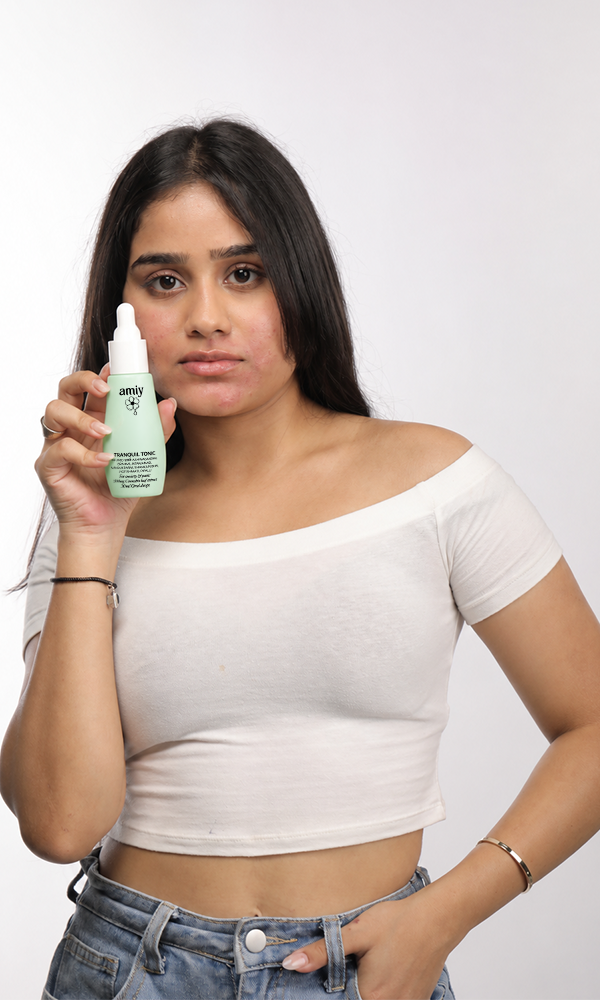
For overall balance, pairing it with Gut Reset can further support digestion, which plays a key role in recurring skin concerns. Managing stress levels with calming routines or support like Tranquil Tonic may also help reduce inflammation-driven flare-ups.
Ayurvedic remedies for redness: calm winter-triggered flare-ups naturally | Amiy natuals
Winter skin care: simple steps to stop dryness | Amiy Naturals
Heat, sweat, dryness, and bedding friction increase at night, which can irritate healing acne.
Yes. Scratching itchy pimples increases the risk of marks, pigmentation, and slow healing.
Mild itching may settle in a few days. Persistent itching needs calming care and trigger control.
Mild itching can be part of healing, but strong or worsening itching signals irritation.
Yes. Stress increases inflammation and skin sensitivity, which can intensify itching.
If itchy pimples keep coming back, supporting your skin from within may help. Acne SOS is designed to support skin clarity and calm inflammation through a gentle, plant-based approach. For deeper balance, combining it with Gut Reset may support digestion, which plays a vital role in recurring skin issues.
This content is for educational purposes only and is not a substitute for professional medical advice. Please consult a qualified healthcare provider for personal care.