
Instant redness relief for winter skin. Learn why cold weather causes redness and simple ways to calm, protect, and soothe skin naturally.

Winter should feel cosy. But for many people, it brings red, tight, irritated skin. If your cheeks flush easily, your nose turns red, or your skin stings in cold air, you are not alone. Instant redness relief becomes a real need during the winter months.
Cold winds, low humidity, and indoor heating all place constant stress on the skin. Together, they weaken its natural defences and make it react faster than usual. The good news is that with the right care, winter redness can calm down quickly and stay under control through the colder season.
Cold weather skin redness is not random. It happens because winter disrupts the skin’s natural protection system.
Here’s what changes in winter:
When the skin barrier weakens, tiny blood vessels near the surface react more strongly to temperature changes. This reaction appears as redness, flushing, burning, or patchy irritation.

Winter redness is often more than just colour change. It usually comes with discomfort that signals barrier damage.
Common signs include:
If this feels familiar, your skin is asking for gentler, more supportive care rather than aggressive treatments.
Redness does not always require strong actives or harsh solutions. In many cases, small changes bring fast relief.
Your skin barrier acts like a wall. In winter, that wall becomes fragile and needs protection.
What helps immediately:
Reducing friction and heat exposure alone can calm redness within minutes.
Timing plays a key role in redness relief during winter.
This method traps moisture in the skin and reduces tightness and visible redness quickly.
Sensitive winter skin often responds best to gentle, nature-based care.
Supportive ingredients may include:
At Amiy Naturals, this philosophy is known as Bio-Neuromodulation™ — supporting healthy nerve communication in the skin, which may help reduce overactive redness responses and sensitivity.
Many daily habits quietly worsen redness.
Avoid:
Removing these triggers often provides instant and noticeable relief.
Yes. Skin behaviour is closely connected to digestion and internal balance, especially during winter.
Helpful habits include:
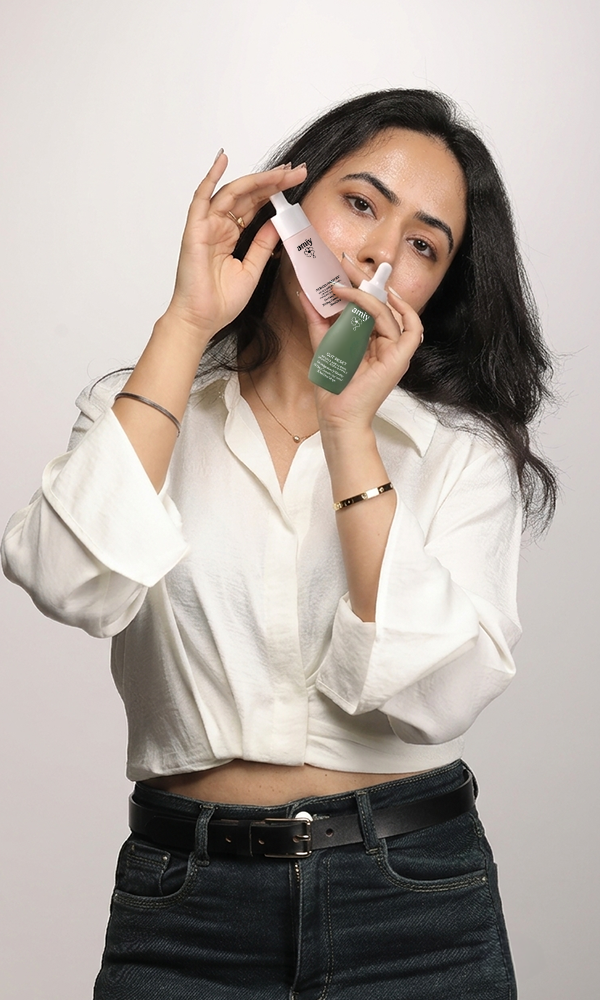
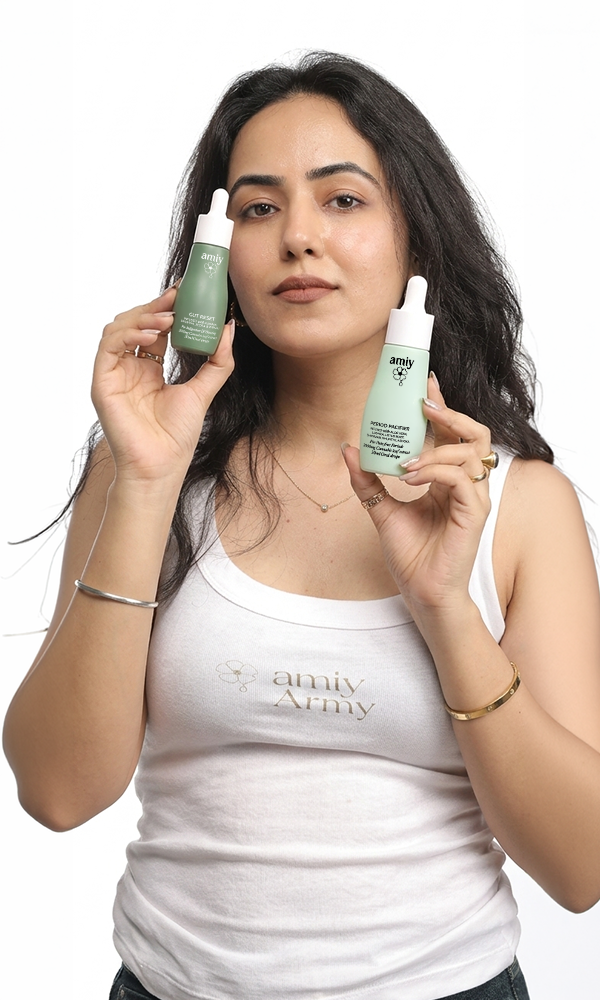
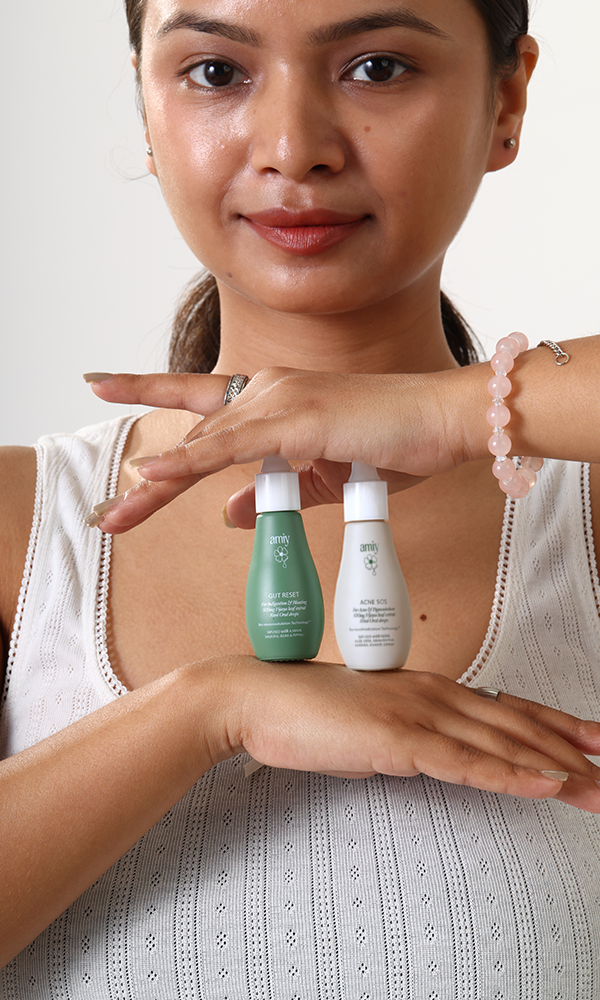
Balanced digestion supports calmer skin responses. Products like Gut Reset are often used to support digestive balance, which may indirectly help skin stability during seasonal changes.
Winter redness is common, but some signs need attention.
Seek professional advice if:
These may indicate underlying conditions that need medical evaluation.

Ayurveda views skin redness as excess heat combined with sensitivity. The focus is on cooling, strengthening, and restoring balance rather than forcing quick fixes.
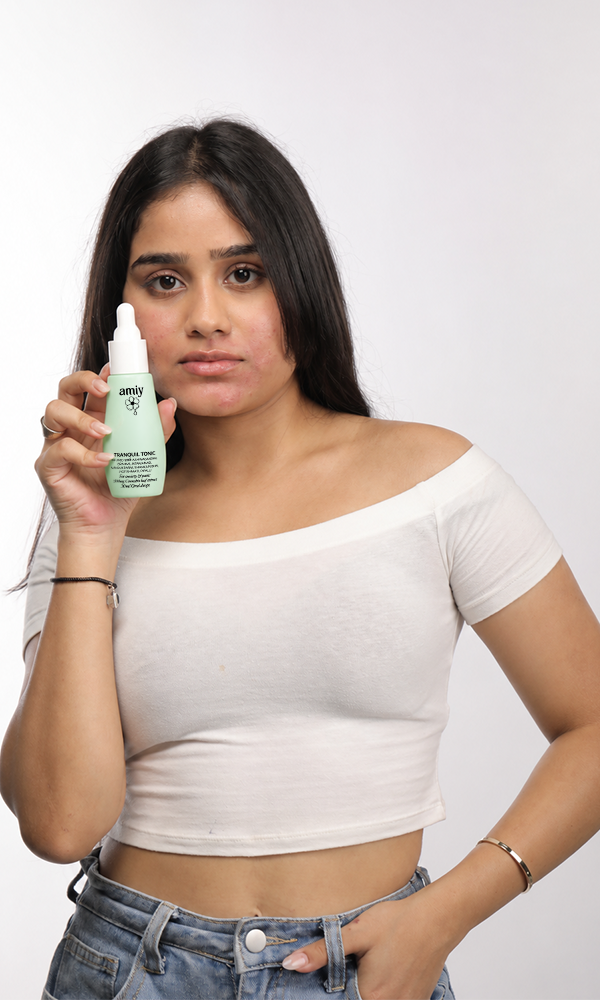
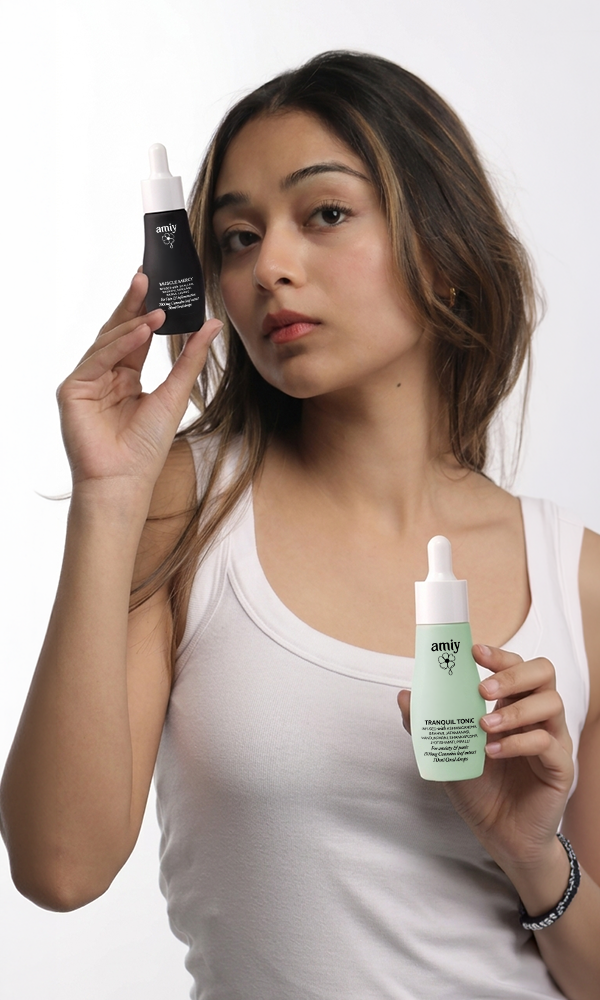
Amiy Naturals follows a Complex Plant Elixir™ approach — combining botanicals that work together gently to support the skin without overwhelming it. For overall balance, some people also include calming internal support like Tranquil Tonic during high-stress winter months.
Winter skin care: simple steps to stop dryness
Ayurvedic remedies for redness
Medical Disclaimer
This content is for educational purposes only and is not a substitute for professional medical advice. Always consult a qualified healthcare provider for personalised guidance.
Yes. Redness often reduces quickly when the skin barrier is protected, cleansing is gentle, and moisturising is done correctly.
Cold air weakens the skin barrier and affects surface blood vessels, leading to visible redness.
No. Exfoliating irritated or red skin can worsen sensitivity and delay recovery.
Often yes. Winter conditions can reveal underlying skin sensitivity.
Gentle, plant-based formulas may help calm irritation and support barrier repair.
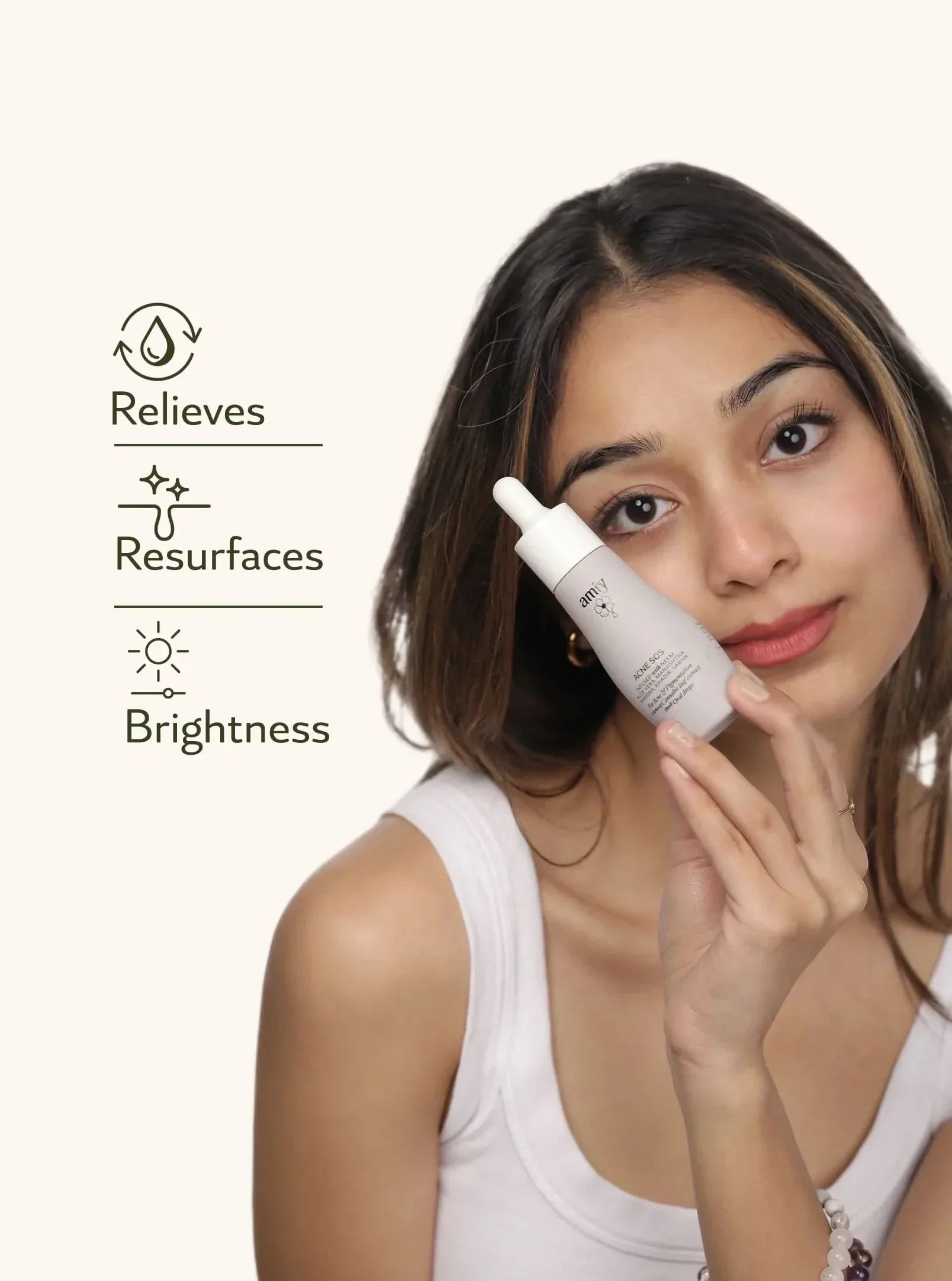
If winter redness keeps returning despite careful skincare, gentle internal and external support may help. Acne SOS is designed to support skin balance from within using natural botanicals and Amiy’s Bio-Neuromodulation™ approach.