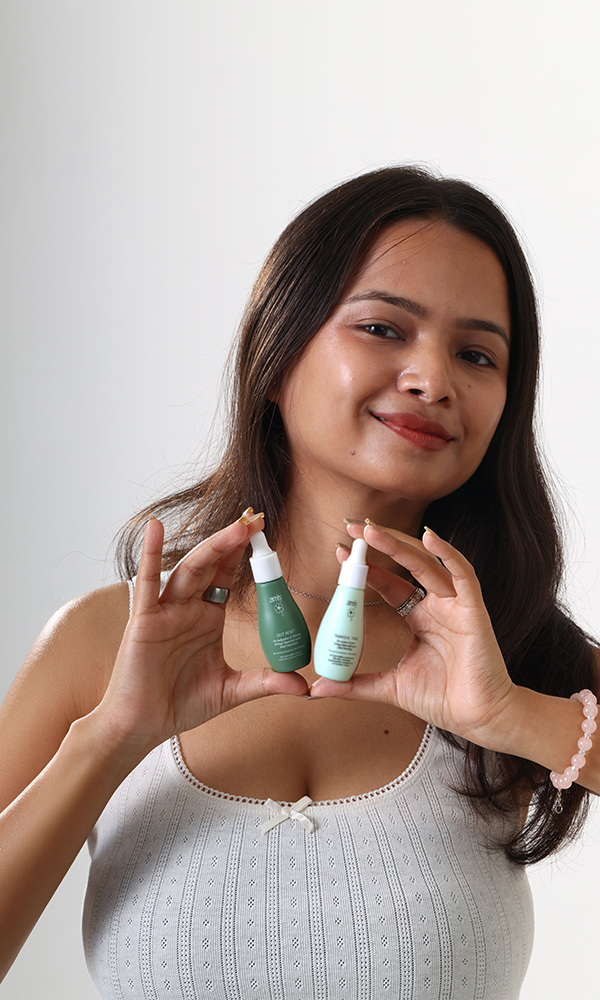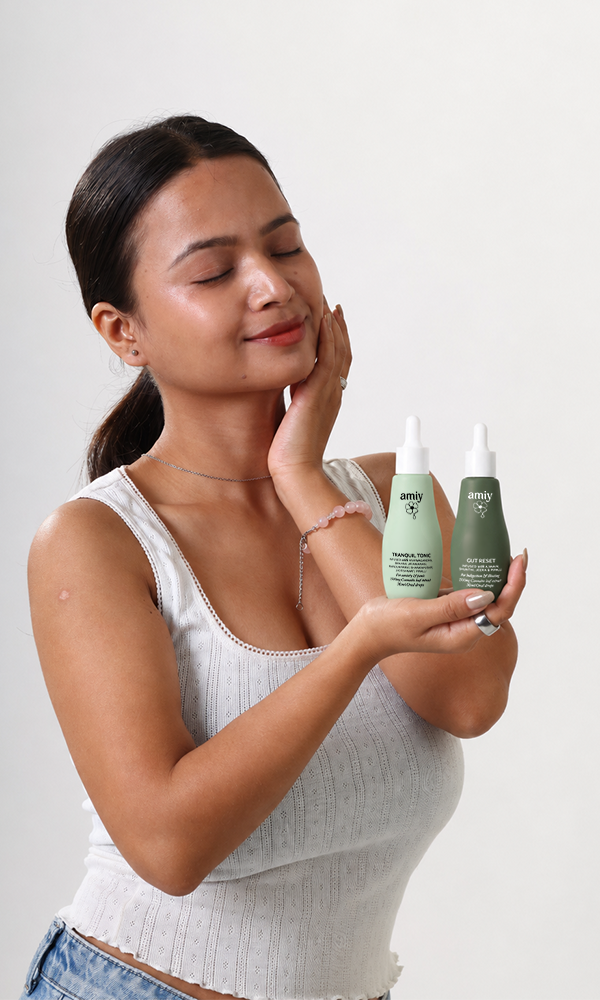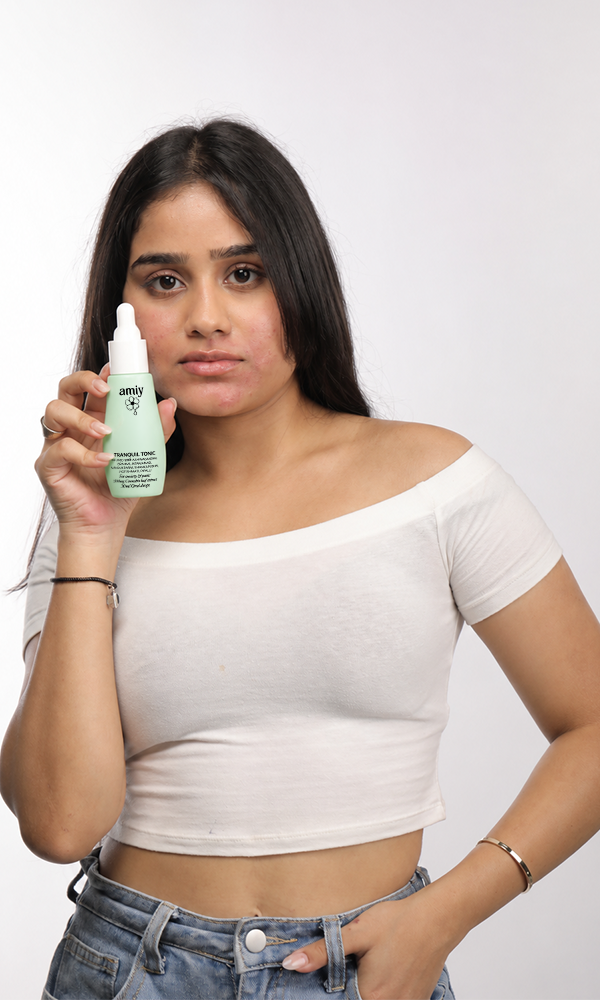

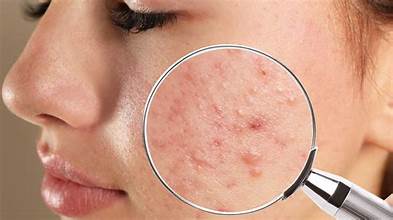

You finally get rid of a breakout, and just when you think your skin is clearing up, those stubborn dark marks decide to stay. Annoying, right? These marks—known as post-inflammatory hyperpigmentation (PIH)—aren’t scars, but they can linger long enough to feel like one. If you’ve been searching for natural remedies for dark spots after acne, the key thing to understand is this: nothing fades them overnight. But with the right ingredients and a bit of patience, your skin can even out—without going aggressive on it.
Natural Ingredients That Actually Help (When Used Right)
There’s a lot of noise around DIY skincare, but not everything deserves a place on your face. These are a few ingredients that have stood the test of time—not because they’re trendy, but because they quietly do their job.
Aloe Vera
Aloe is one of those ingredients that doesn’t try too hard, but still delivers. If you’ve ever applied it on irritated skin, you already know how calming it feels.
When used regularly, it can help reduce pigmentation because of a compound called aloin. But the real benefit? It helps your skin recover without adding stress to it. Applying a thin layer before bed and letting it sit overnight can gradually soften the appearance of dark spots.
Turmeric
Turmeric has been part of skincare long before it became an “ingredient.” There’s a reason it’s still around.
It works slowly, but consistently. Mixed with something soothing like honey or yogurt, it can help brighten uneven skin tone over time. The trick is not to overdo it—too much turmeric, too often, can irritate your skin or leave a slight tint behind.
Lemon Juice (With Caution)
This one sits in a grey area. Yes, lemon contains vitamin C and has natural brightening properties. But it can also backfire if used carelessly.
If you’re using it, always dilute it and never leave it on for too long. And most importantly, don’t skip sunscreen the next day. Lemon makes your skin more sensitive to sunlight, which can actually deepen the very spots you’re trying to fade.
Honey Honey is underrated. It doesn’t give dramatic, overnight results—but it supports your skin in a way that matters. It keeps your skin hydrated, helps repair damage, and over time, that contributes to a more even tone. Think of it less as a treatment and more as quiet support for your skin’s healing process. Potato Juice It sounds a little odd, but potato juice has been used for pigmentation for years, especially in home remedies. It contains mild enzymes and vitamin C that can help lighten dark areas gradually. It’s not a miracle fix, but if you’re consistent with it, you may start noticing subtle changes. Green Tea Green tea works best when your skin feels inflamed or irritated. It’s packed with antioxidants, which help calm things down internally—and that directly affects how your skin heals. Using cooled green tea as a toner or compress can support your skin while it’s recovering, which indirectly helps with fading pigmentation.
Hydration and Sleep Matter More Than You Think Your skin repairs itself when you’re resting, not when you’re applying products. If you’re constantly sleep-deprived or dehydrated, your skin takes longer to recover from inflammation. It’s not the most exciting advice, but it makes a visible difference over time.
No FAQs provided
Dark spots after acne can be frustrating, mostly because they take their own sweet time to fade. But they’re not permanent. The idea isn’t to attack your skin with everything you can find. It’s to support it—gently, consistently, and patiently. The right natural remedies for dark spots after acne, combined with simple daily habits, can go a long way in helping your skin return to an even, healthier state. And honestly, that’s the goal. Not perfect skin—just skin that feels like it’s finally settling down.