Stress and Anxiety Are Affect Not Just in Your Head — Here Is What Is Happening in Your Body
Introduction: When "Just Relax" Is the Worst Advice You Can Receive
Chest tightness before a presentation. Stomach-churning dread on Sunday evenings. A heart that races for no obvious reason. Exhaustion that sleep does not fix. These are not weaknesses or character flaws. They are the physical manifestations of a nervous system that has been running on alert for too long.
Modern life has produced a curious paradox: we know more about stress management than any previous generation, and yet chronic stress and anxiety Affects are more prevalent than ever. In India, surveys regularly find that workplace stress, financial pressure, academic demands, and social media comparison are creating a population that is physiologically wired for danger even when sitting still.
Understanding what is actually happening inside your body when you experience chronic stress — not in vague motivational terms, but in precise physiological terms — changes how you approach healing it. Because when you know the mechanism, you can target the solution.
Table of Contents
- - Stress and Anxiety Are Affect Not Just in Your Head — Here Is What Is Happening in Your Body
- - Introduction: When “Just Relax” Is the Worst Advice You Can Receive
- - The Stress Response: What Your Body Is Designed to Do
- - Acute Stress — The Useful Kind
- - Chronic Stress — When the System Gets Stuck
- - What Elevated Cortisol Actually Does to Your Body
- - Disrupts the Gut Microbiome
- - Impairs Sleep Architecture
- - Suppresses the Immune and Hormonal Systems
- - Alters Brain Structure Over Time
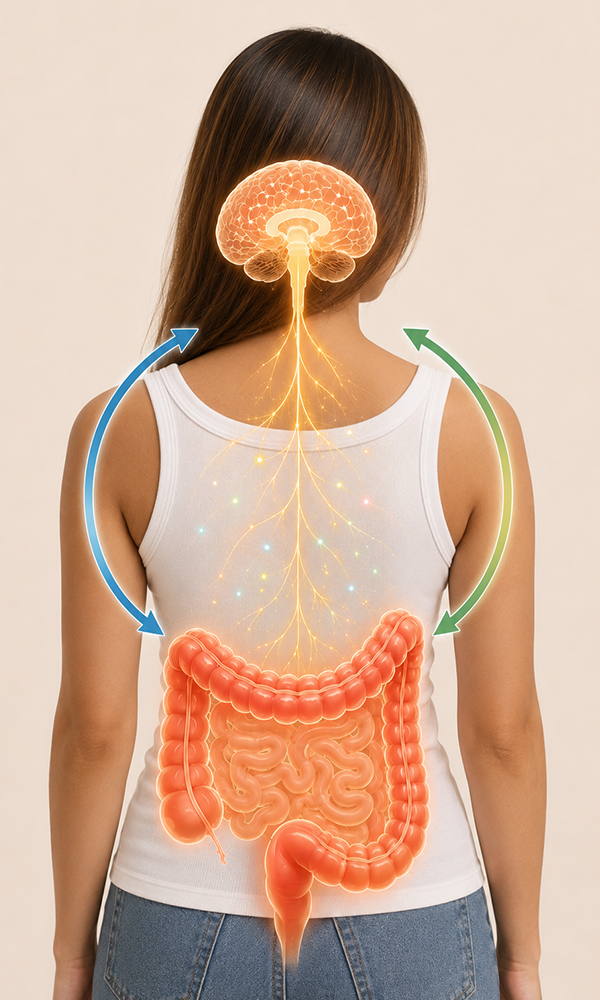
- - The Gut-Brain Axis: Why Anxiety Lives in Your Gut Too
- - The Enteric Nervous System
- - Gut Bacteria and Neurotransmitter Production
- - The Vagus Nerve: Your Body’s Built-In Calming System
- - Adaptogens: The Science Behind Ancient Stress Herbs
- - What Adaptogens Actually Do
- - Key Adaptogens With Clinical Evidence
- - Practical Nervous System Regulation: What Actually Works
- - Breathwork and the Physiology of Calm
- - Sleep as Cortisol Regulation
- - Exercise and the Stress Paradox
- - Frequently Asked Questions
- - Conclusion
Key Benefits
- The Stress Response: What Your Body Is Designed to Do
- Acute Stress — The Useful Kind
- The human stress response evolved as a short-term survival mechanism. When a genuine threat was perceived — a predator, a physical confrontation — the hypothalamus triggered the HPA (hypothalamic-pituitary-adrenal) axis and the sympathetic nervous system simultaneously.
- Adrenaline (epinephrine) surged immediately: heart rate increased, blood was redirected to muscles, breathing quickened, and non-essential functions like digestion and reproduction were temporarily suspended. Shortly after, cortisol followed, mobilising glucose for energy and sustaining the alert state. Once the threat passed, the parasympathetic nervous system re-engaged, cortisol cleared, and the body returned to homeostasis.
- This is elegant biology. The problem is that it was never designed for the continuous, low-grade, inescapable stressors of modern life.
Chronic Stress — When the System Gets Stuck
When the stress response is activated repeatedly — or never fully resolves — the system that was meant to switch off stays on. Cortisol that was meant to be a temporary surge becomes a sustained elevation. And sustained high cortisol is not neutral. It is biologically disruptive in specific, measurable ways.
What Elevated Cortisol Actually Does to Your Body
1. Disrupts the Gut Microbiome
Cortisol alters gut microbiome composition within days of sustained elevation. It reduces populations of beneficial Lactobacillus and Bifidobacterium species, increases the relative abundance of pathogenic bacteria, and reduces secretory IgA — the gut's primary immune defence. The result is a gut environment that is more inflamed, less resilient, and more permeable.
Given that the gut produces over 90% of the body's serotonin and houses a vast network of neurons (the enteric nervous system), its disruption under stress has direct mental health implications. Lower gut-derived serotonin means lower mood regulation. More gut inflammation means more systemic inflammation — which has well-established links to anxiety and depression.
2. Impairs Sleep Architecture
Cortisol operates on a circadian rhythm — naturally highest in the morning (around 8am) to promote alertness, and lowest at night to permit sleep onset. Chronic stress disrupts this rhythm: cortisol stays elevated into the evening, making it difficult to fall asleep, and may spike abnormally in the early morning hours, creating the pattern of waking between 2–4am that so many anxious people recognise.
Poor sleep then further elevates cortisol the next day, magnifying anxiety symptoms, impairing emotional regulation (mediated by the prefrontal cortex, which is among the first brain regions to show stress-related changes), and reducing resilience to the next stressor. This is thesleep cortisol anxiety feedback loop.
3. Suppresses the Immune and Hormonal Systems
Chronic cortisol suppresses T-lymphocyte production, reducing immune competence. Paradoxically, it also drives low-grade systemic inflammation by promoting the release of certain inflammatory cytokines over time. This combination — immune suppression alongside smouldering inflammation — is associated with increased susceptibility to infections, slower wound healing, and the progression of chronic inflammatory conditions.
In women, elevated cortisol suppresses the production of progesterone (they share the same precursor, pregnenolone — a phenomenon sometimes called 'pregnenolone steal'). This contributes to menstrual irregularity, worsened PMS, and hormonal acne — which is why stress management is genuinely part of treating these conditions, not just a nice-sounding add-on.
4. Alters Brain Structure Over Time
This is perhaps the most striking finding from chronic stress research: sustained cortisol elevation actually changes the physical structure of the brain. The hippocampus — involved in memory, learning, and stress response regulation — shows reduced volume in people with chronic stress or PTSD. The amygdala, the brain's threat-detection centre, becomes more hyperactive and reactive. The prefrontal cortex, responsible for rational thinking and emotional regulation, shows reduced grey matter density.
These are not abstractions. They are the neurological basis for why people under chronic stress find it genuinely harder to think clearly, regulate their emotions, and break out of anxious thought patterns — even when they know intellectually that they 'should' feel okay.
The Gut-Brain Axis: Why Anxiety Lives in Your Gut Too
The Enteric Nervous System
Your gut has its own nervous system — the enteric nervous system (ENS) — containing approximately 500 million neurons. The ENS communicates with the brain primarily through the vagus nerve, which runs from the brainstem down through the neck, chest, and abdomen, carrying signals in both directions.
Crucially, about 80–90% of vagal signals travel from the gut to the brain, not the other way around. This means the gut is sending a vast amount of information upward — including information about the state of the microbiome, the level of intestinal inflammation, and the production of neurotransmitters. A dysbiotic, inflamed gut sends dysbiotic, inflamed signals to the brain.
| Gut Bacteria and Neurotransmitter Production |
|---|
| Specific gut bacteria are directly involved in producing precursors for key neurotransmitters. Tryptophan — the amino acid precursor to serotonin — is processed in part by gut microbes. GABA (gamma-aminobutyric acid), the primary inhibitory neurotransmitter that reduces neural excitability and anxiety, is produced by Lactobacillus and Bifidobacterium species in the gut. |
| When these bacteria are depleted — through antibiotics, stress, poor diet, or inflammatory load — GABA production drops, serotonin synthesis is impaired, and the neurochemical environment for anxiety is set. This is a literal, mechanistic explanation for the gut-brain axis contribution to anxiety, not a metaphor. |
The Vagus Nerve: Your Body's Built-In Calming System
The vagus nerve is the anatomical backbone of the parasympathetic nervous system — the 'rest and digest' counterpart to the 'fight or flight' sympathetic response. High vagal tone (measured as heart rate variability) is associated with better emotional regulation, lower inflammatory markers, greater resilience to stress, and better gut function.
Low vagal tone, conversely, is associated with anxiety, depression, inflammation, poor gut motility, and impaired recovery from stress.
The practical significance of this is immense: vagal tone is trainable. Activities and practices that stimulate the vagus nerve — controlled exhalation-dominant breathing, humming, cold exposure, mindful eating, physical touch, and social connection — directly upregulate parasympathetic activity, calm the HPA axis, and reduce physiological anxiety markers.
Steps
- Adaptogens: The Science Behind Ancient Stress Herbs
- What Adaptogens Actually Do
- Adaptogens are a class of botanicals that help the body maintain homeostasis under physiological stress — specifically by modulating the HPA axis and normalising cortisol output. They do not sedate or stimulate in the conventional sense; they regulate, supporting the stress response toward an appropriate rather than exaggerated level.
- Key Adaptogens With Clinical Evidence
- - Ashwagandha (Withania somnifera): The most extensively studied Indian adaptogen. Multiple RCTs show statistically significant reductions in cortisol (up to 27%), serum cortisol, and self-reported anxiety scores. Mechanisms include HPA axis modulation, GABAergic activity, and anti-inflammatory action.
- - Brahmi (Bacopa monnieri): Supports cognitive function under stress and has demonstrated anxiolytic effects in clinical studies. Works partly through acetylcholine and serotonin pathways.
- - Jatamansi (Nardostachys jatamansi): Traditional Ayurvedic nervine with modern evidence for reducing anxiety-related neurobehavioural changes in animal and early human studies.
- - Holy Basil / Tulsi (Ocimum tenuiflorum): Reduces cortisol, supports adrenal health, and has documented anti-anxiety and anti-depressant activity in clinical research.
- - Saffron (Crocus sativus): Clinical trials in multiple countries have shown saffron extract to reduce anxiety and depression scores comparably to low-dose antidepressants in mild-to-moderate cases, with a strong safety profile.
Related Resources
- Practical Nervous System Regulation: What Actually Works
- Breathwork and the Physiology of Calm
- Exhalation-dominant breathing (where the exhale is longer than the inhale — for example, inhale for 4 counts, exhale for 6–8) directly stimulates the vagus nerve and shifts the autonomic nervous system toward parasympathetic dominance. Even 5 minutes of this practice measurably reduces heart rate, blood pressure, and salivary cortisol.
- Practices like the physiological sigh (double inhale through the nose followed by a long exhale through the mouth) have been shown in Stanford research to be one of the most efficient single techniques for acute stress reduction.
- Sleep as Cortisol Regulation
- Sleep is not passive recovery — it is active cortisol regulation. During deep sleep (slow-wave sleep), the brain consolidates emotional memories, the HPA axis downregulates, and cortisol levels are at their nadir. Consistently protecting 7–9 hours of quality sleep is, physiologically speaking, a cortisol management strategy.
- Reducing evening blue light exposure, eating the last meal 2–3 hours before bed, maintaining a consistent sleep-wake time, and avoiding late caffeine all protect the cortisol circadian rhythm that good sleep requires.
- Exercise and the Stress Paradox
- Exercise is a controlled stressor — it acutely raises cortisol during the workout, but consistently training at moderate intensity leads toimproved HPA axis regulation and a more appropriate (lower) baseline cortisol response to psychological stressors. Regular movement is one of the best-evidenced interventions for anxiety, operating through neuroplasticity, BDNF (brain-derived neurotrophic factor) release, and HPA axis recalibration.
Frequently Asked Questions
uently
sked
1: Why does stress c
use physical symptoms like stomach pain and chest tightness? The stress response activates the sympathetic nervous system, redirecting blood flow, increasing heart rate, and suspending digestive function. In the gut, this manifests as spasm, nausea, or pain. Chest tightness results from muscle tension and changes in breathing pattern driven by adrenaline release. These are not imagined — they are real physiological responses to a nervous system in alert mode. FA
2: Wh
t is the gut-brain axis and how does it affect anxiety? The gut-brain axis is the bidirectional communication network between the enteric nervous system (gut's nervous system) and the brain, primarily mediated through the vagus nerve. Gut bacteria produce neurotransmitter precursors, including serotonin and GABA. Gut inflammation sends inflammatory signals to the brain. When gut health is compromised, it directly affects mood, anxiety, and cognitive clarity through these neural and biochemical pathways. FA
3: Does cortisol c
use anxiety? Cortisol does not directly cause anxiety in a clinical sense, but chronically elevated cortisol creates the physiological conditions associated with anxiety: increased amygdala reactivity, reduced prefrontal cortex regulation, disrupted sleep, impaired serotonin and GABA production, and gut dysbiosis. It is accurate to say cortisol is a major driver of the anxious physiological state. FA
4: Wh
t natural herbs are proven to reduce stress and anxiety? Ashwagandha has the strongest clinical evidence, with multiple RCTs showing significant cortisol reduction and improved anxiety scores. Brahmi supports cognitive function under stress. Tulsi has documented anti-anxiety properties. Saffron has clinical data comparable to low-dose antidepressants in mild-to-moderate anxiety. These work through HPA axis modulation, GABAergic activity, and anti-inflammatory pathways. FA
5: Why do I w
ke up anxious at 3am? Early morning waking with anxiety is a recognised pattern associated with dysregulated cortisol. Under chronic stress, cortisol can peak abnormally in the early morning hours (2–4am) rather than at its normal 8am zenith. This creates a physiological state of alertness and anxiety when the body should be in deep, restorative sleep. Blood sugar instability (which drops overnight and triggers a cortisol response) can compound this. FA
6: C
n gut health affect anxiety and mental health? The evidence is now substantial: yes. The gut microbiome influences anxiety through multiple pathways — neurotransmitter production, vagal nerve signalling, inflammatory cytokine levels, and HPA axis modulation. Studies in humans and animals consistently show that gut dysbiosis is associated with higher anxiety and depression markers, and that microbiome restoration through diet and probiotics can reduce them. FA
7: Wh
t is the vagus nerve and how can I stimulate it for anxiety relief? The vagus nerve is the main pathway of the parasympathetic nervous system — your body's built-in calming system. Stimulating it shifts the body from sympathetic ('fight or flight') to parasympathetic ('rest and digest') dominance. Evidence-backed vagal stimulation techni
ues include extended-exh
le breathwork, humming or chanting, cold water on the face, gargling, and practices like yoga and meditation that promote mindful, slow breathing.
Conclusion
Stress and anxiety are not personal failures or signs of weakness. They are your nervous system doing exactly what it was designed to do — just in a context it was never designed for. The good news is that this system is not a fixed state. It is a dynamic, trainable, and deeply responsive biological network.
The pathway to regulation is not one thing — it is many things working together. Understanding how cortisol disrupts the gut, how the gut sends distress signals back to the brain, how the vagus nerve can be deliberately calmed, and how adaptogenic botanicals can reset the HPA axis gives you a far more complete toolkit than 'just breathe' or 'think positive'.
Your body wants to return to balance. It does so when given the right internal environment — and understanding that environment is where healing begins.ns.