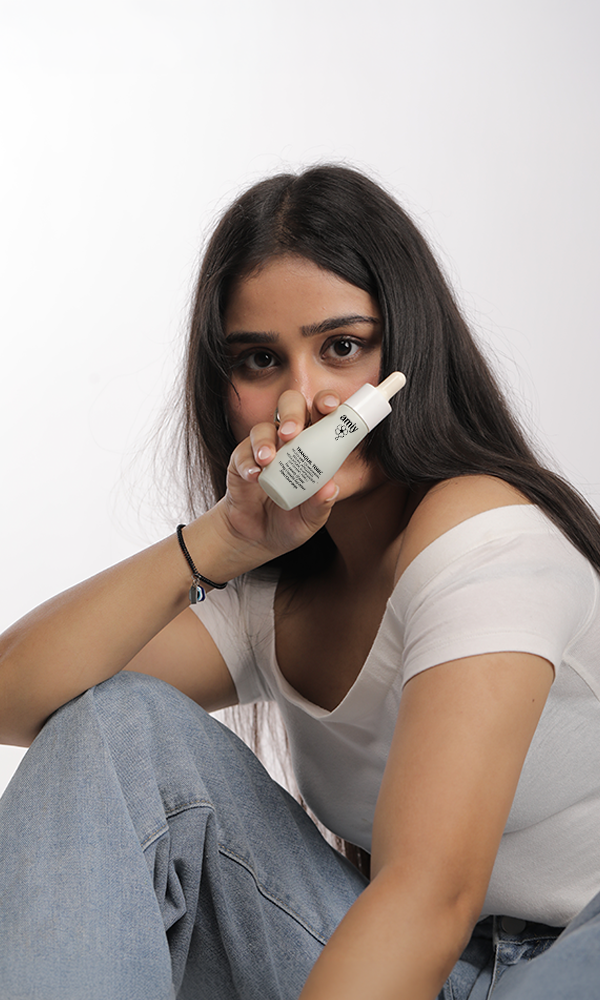





Why PMS Is More Than a Hormonal Mood Problem
In reality, PMS is a complex physiological condition involving: · Hormonal signaling · Nervous system regulation · Inflammatory balance · Neurotransmitter activity · Nutritional status · Stress physiology Women with PMS may experience: · Mood swings · Anxiety · Irritability · Fatigue · Cramping · Breast tenderness · Headaches · Food cravings · Sleep disruption · Bloating · Acne For some, symptoms are mild. For others, PMS significantly interferes with: · Relationships · Work productivity · Exercise · Sleep quality · Mental health · Daily functioning Although hormonal fluctuations play a central role, emerging research increasingly shows that nutritional deficiencies strongly influence PMS severity. Deficiencies involving: · Magnesium · Vitamin B6 · Vitamin D · Iron · Omega-3 fatty acids may worsen: · Inflammation · Neurotransmitter imbalance · Hormonal dysregulation · Stress sensitivity · Menstrual pain This article explores the science behind nutritional deficiencies PMS treatment approaches, how nutrient imbalances affect hormonal regulation, and how Period Pacifier oral dropsand integrative nutritional strategies may support women’s health naturally.
Table of Contents
- 1. Why PMS Is More Than a Hormonal Mood Problem
- 2. Understanding PMS: A Multi-System Condition
- 3. What Causes PMS?
- 4. Why Nutritional Deficiencies Worsen PMS
- 5. Magnesium and PMS: Why This Mineral Matters
- 6. How Magnesium Affects Menstrual Pain
- 7. Signs of Possible Magnesium Deficiency
- 8. Vitamin B6 and Premenstrual Syndrome
- 9. Why Vitamin B6 Matters for Emotional Symptoms
- 10. Vitamin B6 Premenstrual Syndrome Research
- 11. Vitamin D and Hormonal Balance
- 12. Vitamin D Hormonal Balance and Inflammation
- 13. Iron Deficiency and Menstrual Health
- 14. The Inflammation-Hormone-Nutrient Cycle
- 15. Gut Health and Nutrient Absorption
- 16. Estrogen Dominance and Nutrient Demand
- 17. Prostaglandins, Inflammation, and Nutrient Deficiency
- 18. Omega-3 Fatty Acids and PMS
- 19. Supplements for PMS: What Women Commonly Use
- 20. Botanical / Integrative Minerals Women Health Approaches
- 21. Herbs Commonly Used Alongside Nutritional Support
- 22. Why Period Pacifier Oral Drops Are Increasingly Used
- 23. Sleep and PMS Severity
- 24. Anti-Inflammatory Nutrition and PMS
- 25. Clinical Signs That Nutritional Deficiencies May Be Contributing to PMS
- 26. Why Root-Cause PMS Treatment Matters
- 27. Conclusion: Nutritional Deficiencies Can Intensify PMS Symptoms
Key Benefits
- Understanding PMS: A Multi-System Condition
- What Causes PMS?
- PMS develops during the luteal phase of the menstrual cycle - the period after ovulation and before menstruation.
- Hormonal fluctuations involving:
- · Estrogen
- · Progesterone
- · Cortisol
- · Prostaglandins
- · Neurotransmitters
- interact with:
- · Inflammation
- · Stress response
- · Nutrient status
- · Nervous system sensitivity
- The hormonal cycle can be simplified as:
- Why Nutritional Deficiencies Worsen PMS
- Nutrients Regulate Hormones and Neurotransmitters
- Micronutrients are essential for:
- · Hormone synthesis
- · Neurotransmitter production
- · Muscle relaxation
- · Stress regulation
- · Inflammatory balance
- · Blood sugar stability
- Deficiencies may amplify:
- · Cramping
- · Mood swings
- · Fatigue
- · Anxiety
- · Sleep problems
- · Pain sensitivity
- This is why nutritional deficiencies PMS treatment strategies are increasingly emphasized in integrative women’s health care.
Magnesium and PMS: Why This Mineral Matters
Magnesium PMS Cramps and Nervous System Regulation
Magnesium is involved in more than 300 enzymatic reactions throughout the body.
It helps regulate:
· Muscle contraction
· Nervous system activity
· Stress response
· Sleep quality
· Inflammatory pathways
Magnesium deficiency may contribute to:
· Menstrual cramps
· Anxiety
· Headaches
· Fatigue
· Irritability
· Muscle tension
The muscular relationship can be represented as:
{img2}
How Magnesium Affects Menstrual Pain
Magnesium PMS Cramps Research
Magnesium may help:
· Relax smooth muscle tissue
· Reduce prostaglandin activity
· Support blood vessel relaxation
· Improve stress resilience
Low magnesium status may increase uterine muscle sensitivity and inflammatory signaling.
This may worsen:
· Cramping
· Headaches
· Mood changes
· Fatigue
Magnesium is also important for regulating the parasympathetic nervous system, which supports relaxation and stress recovery.
Signs of Possible Magnesium Deficiency
Women with low magnesium may experience:
· Muscle cramps
· Eye twitching
· Anxiety
· Poor sleep
· Headaches
· PMS irritability
· Constipation
· Fatigue
Stress itself also depletes magnesium stores, creating a vicious cycle:
· Stress increases magnesium depletion
· Magnesium deficiency worsens stress sensitivity
Vitamin B6 and Premenstrual Syndrome
Why Vitamin B6 Matters for Emotional Symptoms
Vitamin B6 is essential for neurotransmitter synthesis, including:
· Serotonin
· Dopamine
· GABA
These neurotransmitters strongly influence:
· Mood stability
· Sleep quality
· Emotional resilience
· Anxiety regulation
Low B6 levels may worsen:
· Mood swings
· Irritability
· Emotional sensitivity
· Fatigue
The neurotransmitter relationship can be visualized as:
{img3}
Vitamin B6 Premenstrual Syndrome Research
Several studies suggest vitamin B6 premenstrual syndrome support may help reduce:
· Irritability
· Mood swings
· Emotional symptoms
· Fatigue
B6 also participates in:
· Hormone metabolism
· Nervous system regulation
· Inflammatory balance
Because stress increases demand for B vitamins, women with chronic stress may become more vulnerable to PMS-related mood symptoms.
Vitamin D and Hormonal Balance Why Vitamin D Functions Like a Hormone Vitamin D acts more like a hormone than a traditional vitamin. It influences: · Immune function · Hormonal signaling · Inflammation · Mood regulation · Insulin sensitivity Low vitamin D levels are increasingly associated with: · PMS · PCOS · Fatigue · Mood disorders · Menstrual irregularity Vitamin D Hormonal Balance and Inflammation Vitamin D helps regulate inflammatory cytokines involved in: · Pain sensitivity · Immune activation · Hormonal signaling Deficiency may contribute to: · Increased inflammation · Greater PMS severity · Menstrual discomfort · Mood instability The inflammatory relationship can be represented as: Iron Deficiency and Menstrual Health Iron Deficiency Menstrual Fatigue Connection Women with heavy periods are particularly vulnerable to iron deficiency. Iron is essential for: · Oxygen transport · Energy production · Cognitive function · Cellular metabolism Iron deficiency menstrual symptoms may include: · Fatigue · Brain fog · Weakness · Hair shedding · Poor concentration · Dizziness Chronic fatigue during menstruation is not always “normal” - it may reflect depleted iron stores.
Prostaglandins, Inflammation, and Nutrient Deficiency Why Inflammation Intensifies PMS Inflammatory compounds called prostaglandins contribute to: · Cramping · Headaches · Pain sensitivity · Digestive upset Magnesium and omega-3 fatty acids may help support healthier inflammatory balance. Women with nutrient deficiencies may experience exaggerated prostaglandin activity and more severe menstrual discomfort. Omega-3 Fatty Acids and PMS Anti-Inflammatory Nutritional Support Omega-3 fatty acids may help: · Reduce inflammatory signaling · Support hormonal balance · Improve mood stability · Reduce menstrual discomfort Dietary sources include: · Flaxseeds · Chia seeds · Walnuts · Fatty fish Low omega-3 intake may contribute to: · Increased inflammation · Greater PMS severity · Mood dysregulation Supplements for PMS: What Women Commonly Use Integrative Nutritional Support Approaches Women seeking supplements for PMS often use combinations of: · Magnesium · Vitamin B6 · Vitamin D · Omega-3 fatty acids · Iron (when deficient) · Zinc However, supplementation should ideally be guided by: · Clinical assessment · Laboratory testing · Symptom patterns · Nutritional status Excessive supplementation without proper guidance may be inappropriate for some individuals. Botanical / Integrative Minerals Women Health Approaches Why Integrative Care Combines Nutrition and Botanicals Integrative women’s health approaches often combine: · Nutritional optimization · Stress regulation · Anti-inflammatory support · Hormonal balancing herbs · Nervous system support This broader model recognizes that PMS is influenced by interconnected systems rather than isolated hormonal changes alone. Herbs Commonly Used Alongside Nutritional Support Shatavari Traditionally used for: · Hormonal balance · Emotional stability · Menstrual support · Stress resilience Ashwagandha Supports: · Cortisol regulation · Stress adaptation · Nervous system balance Ginger May help: · Support circulation · Reduce inflammatory discomfort · Ease menstrual cramping Turmeric Curcumin-containing herbs may support: · Inflammatory balance · Oxidative stress reduction · Hormonal wellness
Steps
- Why Period Pacifier Oral Drops Are Increasingly Used
- Advantages of Botanical Oral Formulations
- Period Pacifier oral drops are increasingly popular in women’s health support because they may provide:
- · Faster absorption
- · Flexible dosing
- · Multi-herb synergy
- · Improved compliance
- · Better digestive tolerance
- These formulations often combine:
- · Adaptogens
- · Nervine herbs
- · Hormonal support botanicals
- · Anti-inflammatory compounds
- Such combinations may support:
- · Stress resilience
- · Menstrual comfort
- · Hormonal balance
- · Emotional regulation
- Sleep and PMS Severity
- Why Sleep Influences Hormonal Regulation
- Sleep strongly affects:
- · Cortisol rhythms
- · Neurotransmitter production
- · Inflammatory signaling
- · Hormonal balance
- Poor sleep may worsen:
- · Mood swings
- · Cravings
- · Fatigue
- · Anxiety
- · Menstrual discomfort
- Restorative sleep is therefore essential for long-term hormonal wellness.
- Anti-Inflammatory Nutrition and PMS
- Dietary Strategies That May Help
- Supportive dietary approaches may include:
- · Magnesium-rich foods
- · Fiber-rich vegetables
- · Omega-3 fats
- · Reduced refined sugar intake
- · Adequate protein intake
- · Stable blood sugar support
- Magnesium-rich foods include:
- · Pumpkin seeds
- · Spinach
- · Almonds
- · Dark leafy greens
- B6-rich foods include:
- · Bananas
- · Chickpeas
- · Potatoes
- · Poultry
- Vitamin D sources include:
- · Sunlight exposure
- · Fatty fish
- · Fortified foods
Related Resources
- Clinical Signs That Nutritional Deficiencies May Be Contributing to PMS
- Women may experience:
- · Severe cramping
- · Mood swings
- · Fatigue
- · Poor sleep
- · Anxiety
- · Headaches
- · Brain fog
- · Heavy periods
- · Food cravings
- · Muscle tension
- These symptoms may indicate broader nutritional and inflammatory imbalances.
No FAQs provided
Conclusion: Nutritional Deficiencies Can Intensify PMS Symptoms PMS is not solely a hormonal condition - it is strongly influenced by nutritional status, inflammatory balance, stress physiology, and nervous system regulation. Deficiencies involving: · Magnesium · Vitamin B6 · Vitamin D · Iron · Omega-3 fatty acids may worsen: · Cramping · Mood swings · Fatigue · Anxiety · Hormonal imbalance · Menstrual discomfort Understanding the relationship between nutritional deficiencies and PMS severity allows practitioners and patients to move beyond temporary symptom suppression toward deeper physiological support. Integrative strategies focused on: · Correcting nutrient deficiencies · Supporting hormonal balance · Reducing inflammation · Improving sleep · Supporting gut health · Regulating stress physiology may help improve long-term menstrual wellness naturally. Botanical and integrative approaches - including Ayurveda medicine oral drops combined with targeted nutritional support - may provide valuable support for women seeking more comprehensive PMS nutrition root-cause treatment strategies. As research continues to evolve, one message becomes increasingly clear: Hormonal balance depends not only on reproductive hormones themselves, but also on the nutritional foundations that regulate inflammation, neurotransmitters, stress resilience, and cellular health throughout the body. FAQs FAQ 1 Can magnesium deficiency worsen PMS symptoms? Yes. Low magnesium levels may contribute to cramps, headaches, anxiety, irritability, muscle tension, and poor sleep. Magnesium also supports muscle relaxation, nervous system balance, and inflammatory regulation, all of which influence PMS severity. FAQ 2 Which vitamins are most important for PMS support? Vitamin B6, vitamin D, magnesium, iron, and omega-3 fatty acids are commonly associated with PMS support. These nutrients help regulate neurotransmitters, inflammation, hormonal balance, and energy production. FAQ 3 Can nutritional deficiencies affect hormonal balance? Yes. Nutrient deficiencies may impair hormone metabolism, neurotransmitter synthesis, stress regulation, and inflammatory balance, which can worsen PMS symptoms, mood swings, fatigue, and menstrual discomfort. FAQ 4 How can diet help reduce PMS symptoms? An anti-inflammatory diet rich in magnesium, omega-3 fats, fiber, and vitamin-rich whole foods may help support hormonal balance, reduce inflammation, stabilize mood, and improve menstrual comfort naturally.