




Best Ayurvedic Medicine for Stress and Anxiety: How Adaptogenic Botanicals Work at the Root
Stress and anxiety have become so common that many people treat them as unavoidable features of adult life rather than physiological states with specific, addressable root causes. The search for thebest ayurvedic medicine for stress and anxiety reflects a genuine shift — people are looking beyond sedatives and pharmaceutical anxiolytics for approaches that regulate the nervous system, reduce cortisol, and restore resilience without dependency or side effects. The good news is that the science behind adaptogenic and nervine botanical compounds has grown substantially, and several plant medicines now have robust clinical trial evidence for anxiety reduction, cortisol normalisation, and sleep quality improvement. This guide explains how they work, which ones have the strongest evidence, and why the gut is part of this conversation too.
Table of Contents
- 1. How the HPA axis drives chronic stress and anxiety
- 2. What adaptogenic botanicals actually do in the body
- 3. Ashwagandha — the most clinically studied stress-reducing plant compound
- 4. Brahmi and its role in nervous system regulation
- 5. The gut-anxiety connection and why it matters for treatment
- 6. A step-by-step approach to managing stress and anxiety naturally
- 7. FAQs
- 8. Conclusion
Key Benefits
- A clear, mechanism-based explanation of how adaptogenic plants reduce stress and anxiety
- Evidence-based comparison of the most well-researched botanical compounds for cortisol and HPA axis regulation
- Understanding of why gut health is inseparable from mental stress management
- A structured, non-pharmaceutical framework for reducing chronic anxiety from the root
How the HPA Axis Creates Chronic Stress:
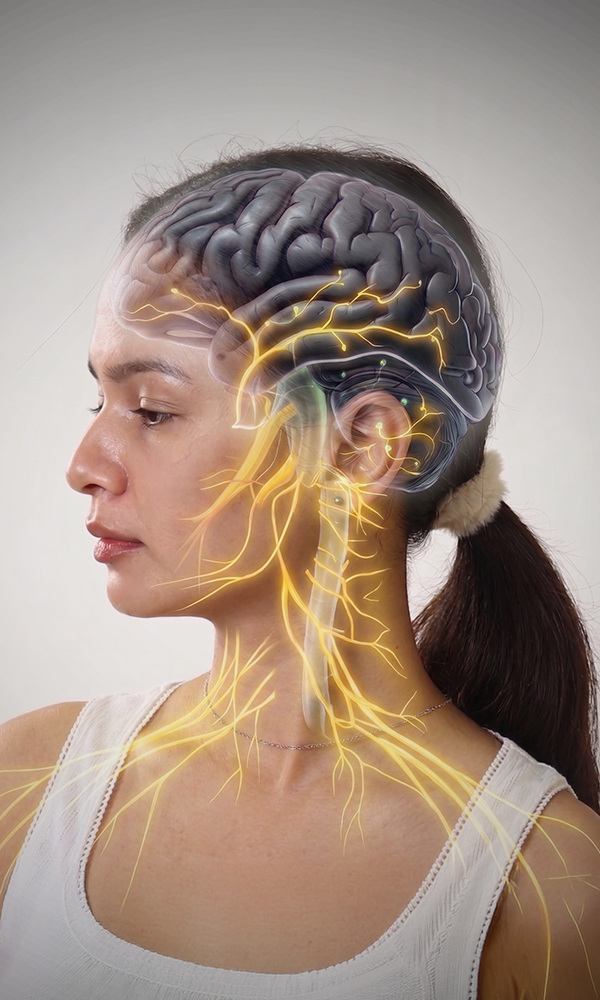
When the brain perceives a threat, the hypothalamus releases corticotropin-releasing hormone (CRH), which signals the pituitary to release ACTH, which tells the adrenal glands to produce cortisol. This is the HPA (hypothalamic-pituitary-adrenal) axis— the body's stress response system. In acute situations, cortisol is adaptive: it mobilises energy, sharpens focus, and prepares the body for action.
The problem is that modern stressors — work pressure, financial anxiety, social friction, chronic sleep disruption — activate the HPA axis repeatedly without a clear resolution signal. The feedback loop that should switch off cortisol production becomes less responsive over time, leaving the HPA axis in a state of low-grade chronic activation. This is the physiological root of chronic stress and anxiety: not a personality trait, but a dysregulated cortisol feedback system.
What Adaptogenic Botanicals Actually Do:
Adaptogens are plant compounds that help the body maintain physiological equilibrium under stress — not by suppressing the stress response entirely, but by making the HPA axis more proportionate and responsive. They work by modulating glucocorticoid receptor sensitivity, reducing CRH and ACTH secretion under non-emergency conditions, and supporting the feedback mechanisms that switch off cortisol when the stressor has passed.
The distinction from pharmaceutical anxiolytics is important. Benzodiazepines and similar drugs dampen GABA receptors globally, producing sedation. Adaptogens restore regulatory balance in the HPA axis — they reduce the hyperactivation without impairing cognitive function, and they do not create chemical dependency.
Ashwagandha — The Most Clinically Studied Adaptogen:
Ashwagandha (Withania somnifera) has more published human clinical trial data for stress and anxiety reduction than any other adaptogenic plant. Its active compounds — withanolides — inhibit cortisol synthesis pathways and modulate glucocorticoid receptor activity. In a double-blind randomised trial, ashwagandha root extract (300 mg twice daily) produced a 44 percent reduction in perceived stress scores and a 27.9 percent reduction in serum cortisol levels versus placebo at 60 days.
Multiple trials also show improvements in sleep quality, cognitive function under stress, physical stamina, and thyroid function with ashwagandha — reflecting its broad-spectrum HPA and neuroendocrine regulatory action. It is one of the few botanical compounds with evidence that genuinely meets the criteria for 'best ayurvedic medicine for stress and anxiety' from a clinical evidence standpoint.
Brahmi for Nervous System Regulation:
Brahmi (Bacopa monnieri) exerts its primary effects on the nervous system through a different pathway than ashwagandha. Its active bacosides modulate acetylcholinesterase activity (supporting cholinergic function), increase dendritic branching in the hippocampus (the brain's stress-processing and memory centre), and reduce lipid peroxidation in neuronal tissue — a marker of oxidative stress in the brain.
Brahmi's effects on anxiety are more indirect than ashwagandha's — it reduces cognitive anxiety (worry, rumination, mental restlessness) rather than the physiological cortisol response directly. Clinical trials show improvements in anxiety scores, cognitive performance under pressure, and mood stability at 300-450 mg daily over eight to twelve weeks.
The Gut-Anxiety Connection and Why It Belongs in This Discussion:
The gut-brain axis makes gut health directly relevant to stress and anxiety management. Approximately 90 to 95 percent of the body's serotonin is produced in the gut by bacteria-responsive enterochromaffin cells. GABA precursors are also produced by specific Lactobacillus strains. A disrupted gut microbiome reduces both, lowering the brain's natural calming neurotransmitter supply.
Gut dysbiosis also increases systemic inflammation via LPS translocation, which activates brain microglia and drives neuroinflammation — a documented pathway in anxiety and depression. Addressing gut health alongside adaptogenic botanical support is not an add-on to stress management; it is part of the same biological system. Internal formulations that address both the HPA axis and the gut microbiome simultaneously are likely to produce better outcomes than those targeting either in isolation.
Other Botanicals Worth Knowing:
Tulsi (holy basil / Ocimum sanctum) has demonstrated cortisol-modulating and anti-anxiety effects in multiple Indian clinical trials. Its eugenol and rosmarinic acid content modulate COX-2 and the stress-inflammatory pathway simultaneously. Shatavari (Asparagus racemosus) supports adrenal resilience in women specifically and has clinical evidence for anxiety reduction in perimenopausal and reproductive-age women with stress-driven hormone disruption. Jatamansi (Nardostachys jatamansi) has GABAergic activity and is used specifically for sleep onset anxiety and nervous system hyperactivation.
A 2019 randomised controlled trial published in Medicine found that adults taking ashwagandha extract (240 mg daily) for 60 days showed a 23 percent reduction in morning cortisol levels, alongside significant improvements in sleep quality, memory recall under stress, and self-reported anxiety severity — with no significant adverse effects reported in any participant.
"Adaptogenic botanicals do not remove stress from your life. They change the physiological response to it — making the HPA axis more precise, reducing cortisol overproduction, and giving the nervous system the regulatory tone it needs to recover between stressors." — Neuroendocrinology and Botanical Medicine Research
Steps
- Start with ashwagandha — 300-600 mg of a root extract standardised to withanolides daily, taken with food; assess at six weeks before concluding it is not working
- Add brahmi if cognitive anxiety, mental fatigue, or poor memory under pressure are prominent — 300-450 mg daily, ideally in the morning
- Support the gut microbiome alongside adaptogenic supplementation — fermented foods, prebiotic fibres, and reduced ultra-processed food intake improve serotonin and GABA precursor production
- Establish a consistent sleep schedule — even 30 minutes of circadian regularity significantly improves the overnight cortisol clearance that adaptogens are trying to support
- Practise diaphragmatic breathing for five to ten minutes daily — this is the single most evidence-backed behavioural vagal tone intervention and compounds the effect of botanical HPA support
- Reassess at twelve weeks — adaptogenic effects on the HPA axis are cumulative and dose-dependent; the benefit profile typically improves significantly between weeks 6 and 12
Related Resources
- Gut health and anxiety — the gut-brain axis explained — amiynaturals.com/blogs/news/gut-health-and-anxiety-gut-brain-connection
- Why anxiety may begin in the gut — amiynaturals.com/blogs/news/why-anxiety-may-begin-in-the-gut
- Chronic stress and the body — amiynaturals.com/blogs/news/introduction-why-chronic-stress-is-more-than-just-a-mental-state
- Tranquil Tonic for stress and nervous system support — amiynaturals.com/products/tranquil-tonic
- Gut Reset for microbiome and mood foundation — amiynaturals.com/products/gut-reset
Frequently Asked Questions
The best ayurvedic medicine for stress and anxiety is not a single plant or formula — it is a correctly chosen combination of adaptogenic compounds that targets the HPA axis, the neurological hyperactivation pattern, and the gut-brain pathway simultaneously. Ashwagandha provides the strongest evidence base for cortisol reduction and HPA recalibration. Brahmi addresses cognitive anxiety and neuronal resilience. Gut restoration ensures the serotonin and GABA foundation that both the nervous system and the brain depend on. Together, these are not just calming agents — they are physiological recalibrators. Start with consistency, allow twelve weeks, and measure your stress reactivity and sleep quality as the real markers of change.