

Many women spend years trying different face washes, creams, serums, antibiotics, and cosmetic treatments in an effort to control acne. While these approaches may temporarily improve the appearance of the skin, the breakouts often return - sometimes more aggressively than before. This recurring pattern is particularly common in adult acne women, where the root cause frequently lies deeper than clogged pores or inadequate skincare. Hormonal acne is not simply a cosmetic concern. It often reflects underlying physiological changes involving: · Hormonal regulation · Metabolic health · Stress physiology · Inflammatory pathways · Digestive function · Reproductive health For many women, acne serves as an external signal of internal imbalance. From a clinical perspective, understanding hormonal acne causes requires looking beyond the skin and examining the complex interactions between hormones, immune function, metabolism, and lifestyle factors. Ayurveda has long emphasized this systemic approach. Rather than treating acne solely as a skin disorder, traditional Ayurvedic principles seek to identify internal disturbances that contribute to chronic inflammation and recurrent breakouts.
The Hallmark Signs of Hormonal Acne
Certain clinical patterns strongly suggest hormone-related involvement.
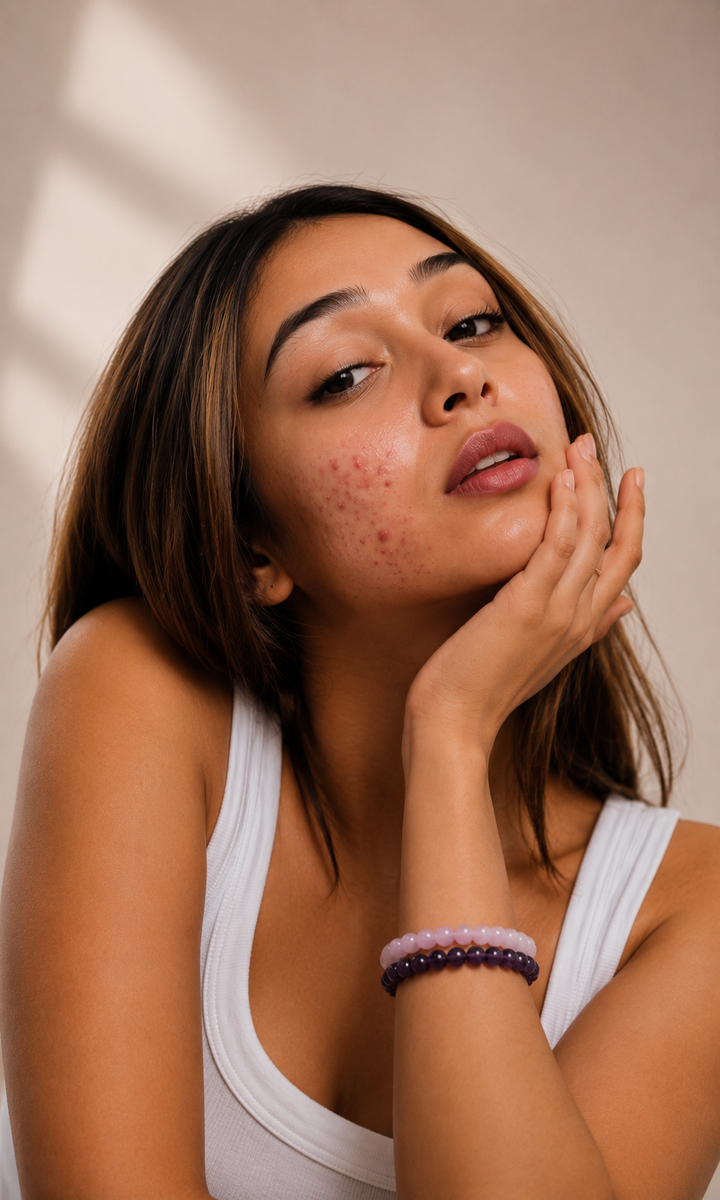
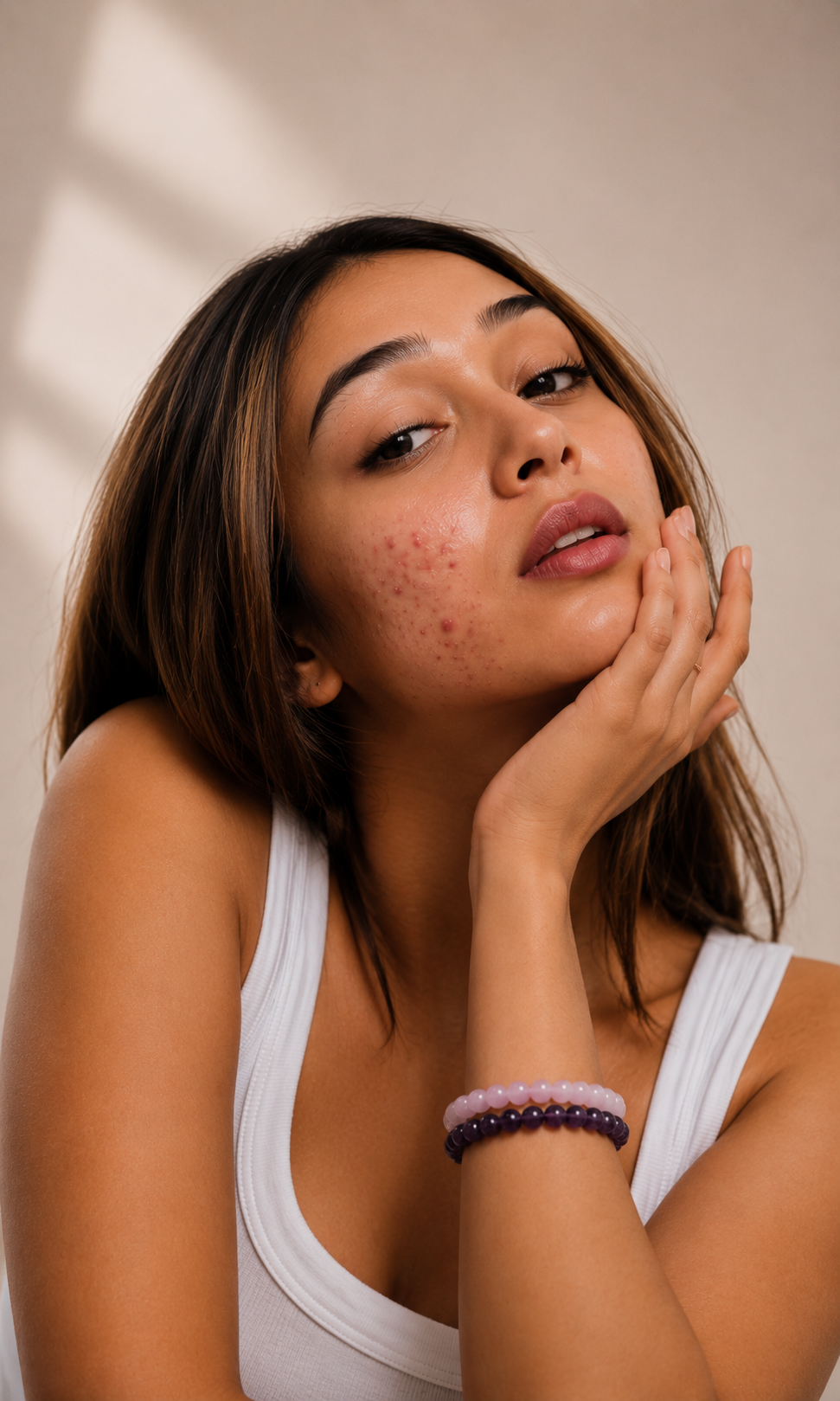
One of the most recognizable features is jawline acne.
· Deep cystic lesions
· Tender nodules
· Painful inflammatory breakouts
· Recurrent lesions in the same areas
· Chin
· Jawline
· Lower cheeks
· Neck
Because these regions are highly responsive to hormonal fluctuations, recurring acne here often indicates internal endocrine influences.
Cyclical Breakouts
· One to two weeks before menstruation
· During periods of high stress
· Around ovulation
These recurring patterns often reflect hormonal shifts rather than external skin factors.
Adult-Onset Acne
Some women develop acne despite having clear skin during adolescence.
· Hormonal imbalance
· Insulin resistance
· Stress-related endocrine changes
· Reproductive disorders
This presentation is particularly common among women in their twenties, thirties, and forties.
Understanding the Major Hormonal Acne Causes 1. Elevated Androgens Androgens are often considered male hormones, but women also produce them. Examples include: · Testosterone · DHEA · DHEA-S · Androstenedione When androgen activity becomes elevated, sebaceous glands become overstimulated. This results in: · Increased oil production · Clogged follicles · Greater bacterial proliferation · Enhanced inflammation Even when laboratory testosterone levels appear normal, heightened tissue sensitivity to androgens may still contribute to acne. This represents one of the most common hormonal acne causes. 2. Estrogen-Progesterone Imbalance Healthy menstrual cycles depend on balanced estrogen and progesterone activity. When this balance becomes disrupted, acne may develop. Potential scenarios include: Estrogen Dominance This may occur when estrogen activity exceeds progesterone activity. Possible contributors include: · Chronic stress · Excess body fat · Environmental hormone disruptors · Poor estrogen metabolism Women may experience: · Acne flare-ups · Breast tenderness · PMS symptoms · Heavy menstrual bleeding Low Progesterone Insufficient progesterone may contribute to: · Increased inflammation · Irregular cycles · Premenstrual acne The interaction between estrogen and progesterone is a key component of female hormonal imbalance. 3. Insulin Resistance Insulin plays a major role in acne development. When cells become resistant to insulin: · Blood insulin levels increase · Androgen production rises · Sebum production increases · Inflammation worsens Research has consistently linked insulin resistance with acne severity. This is particularly important in women with: · PCOS · Obesity · Metabolic syndrome · Prediabetes High-glycemic diets may further amplify these effects. 4. Cortisol and Chronic Stress Cortisol is the body's primary stress hormone. Short-term cortisol elevations are normal. However, chronic stress can lead to prolonged cortisol activation. This may: · Increase inflammation · Disrupt reproductive hormones · Alter insulin sensitivity · Trigger acne flare-ups Many women report worsening acne during: · Work-related stress · Sleep deprivation · Emotional distress · Major life changes The connection between stress and hormone-related breakouts is well established. Polycystic Ovary Syndrome (PCOS) and Acne PCOS is one of the most common endocrine disorders affecting women. Typical features include: · Irregular menstrual cycles · Elevated androgen levels · Excess facial hair · Weight gain · Fertility challenges · Persistent acne Acne associated with PCOSoften presents as: · Jawline acne · Deep cystic lesions · Chronic inflammatory breakouts · Resistance to conventional treatments For many women, acne may be one of the earliest visible signs of PCOS. Identifying and managing the underlying endocrine dysfunction is often essential for long-term improvement. The Role of Inflammation in Hormonal Acne Hormonal changes do not act alone. Inflammation is a critical mediator between hormones and skin symptoms. When inflammatory pathways become activated: · Sebaceous glands become more reactive · Acne lesions become larger · Healing slows · Post-inflammatory pigmentation increases Factors that may increase inflammation include: · Poor diet · Sleep deprivation · Chronic stress · Gut dysfunction · Environmental toxins Addressing inflammation often complements hormone-focused interventions.
Gut Health and Female Hormonal Imbalance The digestive system plays a surprisingly important role in hormonal regulation. The gut microbiome helps: · Metabolize hormones · Support immune function · Regulate inflammation · Maintain metabolic health Disruptions in gut health may contribute to: · Estrogen imbalance · Increased inflammation · Impaired detoxification · Hormonal instability Women experiencing acne often report accompanying symptoms such as: · Bloating · Constipation · Food sensitivities · Digestive discomfort These digestive patterns may provide valuable clues regarding underlying hormonal disturbances. Menstrual Cycle Patterns and Acne Hormonal acne often follows predictable menstrual patterns. Follicular Phase During the first half of the cycle: · Estrogen gradually rises · Skin often appears clearer · Inflammation may decrease Ovulation Around ovulation: · Hormonal fluctuations increase · Some women experience mild breakouts Luteal Phase After ovulation: · Progesterone rises · Sebaceous activity may increase · Water retention may occur This phase is frequently associated with acne flare-ups. Understanding menstrual timing can help identify hormone-related patterns. Why Adult Women Experience Acne Even With Good Skincare Many patients become frustrated because they: · Cleanse regularly · Follow dermatological recommendations · Use high-quality skincare products Yet acne continues. The reason is that skincare primarily addresses external manifestations. If the underlying drivers include: · Elevated androgens · Insulin resistance · Chronic inflammation · Stress-related cortisol elevations · Reproductive hormone imbalance then topical products alone may not fully resolve the issue. This explains why many cases of adult acne women require a broader clinical evaluation.
Understanding hormonal acne causes requires looking beyond the surface of the skin. For many women, recurring acne reflects complex interactions between hormones, metabolism, inflammation, stress physiology, and digestive health. Conditions such as female hormonal imbalance, insulin resistance, chronic stress, and PCOS may contribute significantly to hormone-related breakouts, particularly persistent jawline acne and adult acne women. While skincare remains an important component of acne management, lasting improvement often depends on recognizing and addressing the internal factors influencing skin function. A comprehensive clinical approach that incorporates hormonal assessment, lifestyle optimization, digestive health support, and individualized care can provide a more complete path toward healthier skin and long-term wellness.