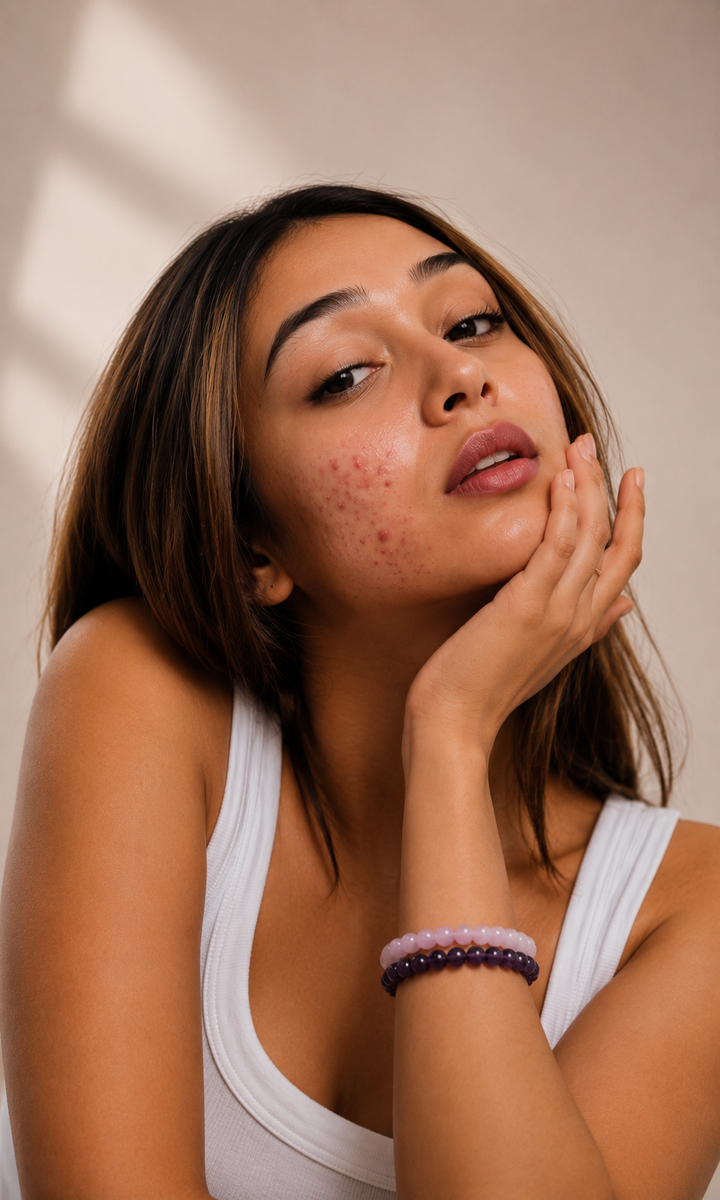



If you've ever noticed a fresh crop of pimples appearing 7-10 days before your period starts, you're experiencing something incredibly common. Hormonal acneaffects an estimated 50-80% of women with acne, and timing it around your menstrual cycle is the hallmark sign. But here's what most people don't understand: those breakouts aren't just about your hormones. They're also about what's happening inside your gut. The connection between your digestive system and your skin isn't new science. Researchers have been studying the gut-skin axis for decades, and recent findings show how deeply connected these two systems are. When your gut microbiome is out of balance, inflammation spreads throughout your body—including to your skin follicles. Understanding this connection changes everything about how you approach persistent acne. Surface treatments might temporarily reduce visible bumps, but they won't stop the cycle if internal inflammation continues driving breakouts. Let's explore what actually happens during your menstrual cycle, why acne flares at specific times, and how gut health plays a crucial role in skin clarity.
Why Progesterone Triggers Oil Production
Progesterone doesn't just prepare your body for potential pregnancy. It also affects skin cells called sebocytes, which produce oil (sebum).
When progesterone rises, it binds to receptors on sebocytes and signals them to work harder. More oil means more opportunity for bacteria to grow and pores to clog.
But progesterone isn't working alone. During this phase, there's also a relative increase in androgen activity (male hormones that all women have). Androgens are powerful stimulators of oil glands.
This combination—high progesterone plus increased androgen activity—creates the perfect environment for acne formation.
The Gut-Skin Axis: How Your Digestive System Controls Your Skin
What Is the Gut-Skin Axis?
The gut-skin axis is the communication system between your gut microbiome (the Trillions of bacteria, fungi, and viruses in your digestive tract) and your skin.
Think of it like a two-way street. Your gut sends signals to your skin through:
- Immune system messages: Gut bacteria train your immune cells, which then travel throughout your body - Inflammation markers: When gut balance is off, inflammatory chemicals circulate in your blood - Metabolic byproducts: Bacteria produce compounds that affect skin function - Hormone regulation: Gut bacteria influence how hormones are processed and eliminated
Recent research from 2024 shows that people with acne often have different gut microbiome compositions compared to those without acne. Specific bacteria are less common in acne patients, while others are more abundant.
How Gut Imbalance Worsens Acne When your gut microbiome is out of balance (a condition called dysbiosis), several things happen that directly affect your skin: 1. Increased Systemic InflammationUnhealthy gut bacteria produce toxins called lipopolysaccharides (LPS). These toxins leak into your bloodstream, triggering immune responses. Your body releases inflammatory chemicals like cytokines, which travel everywhere—including to your skin follicles. Inflamed skin follicles are more prone to acne. Inflammation makes clogged pores redder, more painful, and slower to heal. 2. Poor Nutrient AbsorptionYour gut absorbs vitamins and minerals that your skin needs to function properly. When gut health is poor, you might not get enough: - Zinc (reduces oil production and inflammation) - Vitamin A (supports skin cell turnover) - Vitamin D (regulates immune function) - Omega-3 fatty acids (reduce inflammation) Without these nutrients, skin becomes more vulnerable to breakouts. 3. Hormone Processing ProblemsYour gut helps eliminate excess hormones from your body. Specific bacteria break down hormones like estrogen and progesterone so they can be safely removed through digestion. When gut bacteria are imbalanced, hormones might not be processed correctly. This can lead to hormone imbalances that worsen acne. 4. Blood Sugar Regulation IssuesGut health affects how your body handles sugar. Poor gut balance can lead to blood sugar spikes, which increase insulin levels. Higher insulin stimulates oil glands and worsens acne. The Science Behind Gut-Skin Connection A 2021 study published in Frontiers in Microbiology examined the gut-skin axis in detail. Researchers found that: - People with acne had significantly different gut microbiome diversity - Specific bacterial strains were associated with skin inflammation - Gut inflammation markers correlated with acne severity - Probiotic supplementation improved acne in some participants Another study from 2024 in Frontiers in Immunology confirmed that the brain-gut-skin axis plays a major role in inflammatory skin diseases. This means stress, gut health, and skin conditions are all connected through shared pathways.
Why Surface Treatments Often Fail for Hormonal Acne The Limitations of Topical Products Most acne treatments focus on the skin surface. You might use: - Retinoids to unclog pores - Antibiotics to kill bacteria - Salicylic acid to dissolve oil - Benzoyl peroxide to reduce bacteria These products can work temporarily. They might reduce visible bumps and prevent new clogs. But they don't address what's causing the breakouts in the first place. For hormonal acne, surface treatments have specific limitations: 1. They Don't Stop Hormone FluctuationsYour menstrual cycle hormones will still rise and fall regardless of what you apply to your skin. When progesterone peaks during the luteal phase, oil glands will still overproduce. 2. They Don't Reduce Internal InflammationIf gut imbalances are driving inflammation throughout your body, topical products can't reach that source. The inflammatory chemicals circulating in your blood will still affect your skin. 3. They Can Create DependencySome topical treatments (especially antibiotics) work well initially but lose effectiveness over time. Bacteria can become resistant, and you might need stronger products constantly. 4. They Don't Support Skin HealingAcne isn't just about prevention—it's also about healing. If your body lacks nutrients due to poor gut absorption, skin won't recover quickly from breakouts. When Topical Treatments Actually Work Topical products are most effective for: - Occasional breakouts (not cycle-related) - Acne caused primarily by surface bacteria - Temporary skin issues from makeup or products - Mild acne without hormonal components For persistent hormonal acne that follows your menstrual cycle, topical treatments alone are usually insufficient. The Root Cause Approach: What Actually Helps Hormonal Acne Addressing Internal Inflammation The most effective approach to hormonal acne starts inside your body. Here's what matters: 1. Support Gut HealthA healthy gut microbiome reduces systemic inflammation and supports proper hormone processing. Ways to support gut health include: - Eating diverse plant foods (30+ different plants per week) - Including fermented foods regularly - Limiting processed foods and added sugars - Getting adequate fiber (25-35g daily) 2. Reduce Inflammatory FoodsSome foods trigger inflammation that worsens acne: - Dairy (especially conventional milk) - High-sugar foods and refined carbohydrates - Processed foods with industrial oils - Foods you're individually sensitive to 3. Support Hormone BalanceWhile you can't stop menstrual cycle hormones, you can support your body's ability to process them: - Eat cruciferous vegetables (broccoli, cauliflower, Brussels sprouts) - Maintain healthy liver function through adequate nutrition - Manage stress (stress affects hormone regulation) - Get regular sleep (7-9 hours nightly) 4. Manage Stress LevelsStress increases cortisol, which interacts with reproductive hormones and can worsen acne. Chronic stress also disrupts gut balance, creating a double problem for skin.
Hormonal acne before your period isn't random—it's the result of predictable hormone fluctuations combined with internal factors like gut health and inflammation. The luteal phase of your menstrual cycle triggers increased oil production and inflammation. When your gut microbiome is imbalanced, this inflammation spreads throughout your body, including to your skin. This gut-skin connection means that addressing internal health often works better than surface treatments alone. Topical products have limitations for cycle-related acne. They can't stop hormone fluctuations or reduce internal inflammation. For persistent hormonal acne, a root cause approach that supports gut health, reduces inflammation, and manages stress is more effective. Tracking your acne pattern helps you understand your personal triggers and timing. This information guides better decisions about when to adjust your approach and what changes matter most for your skin. Soft CTA If you're curious about how internal health approaches might support your skin journey, explore natural options that focus on supporting your body's own healing processes.