




Understanding PMS Pain: Why Your Period Cramps Might Be Linked to Gut Health and Inflammation
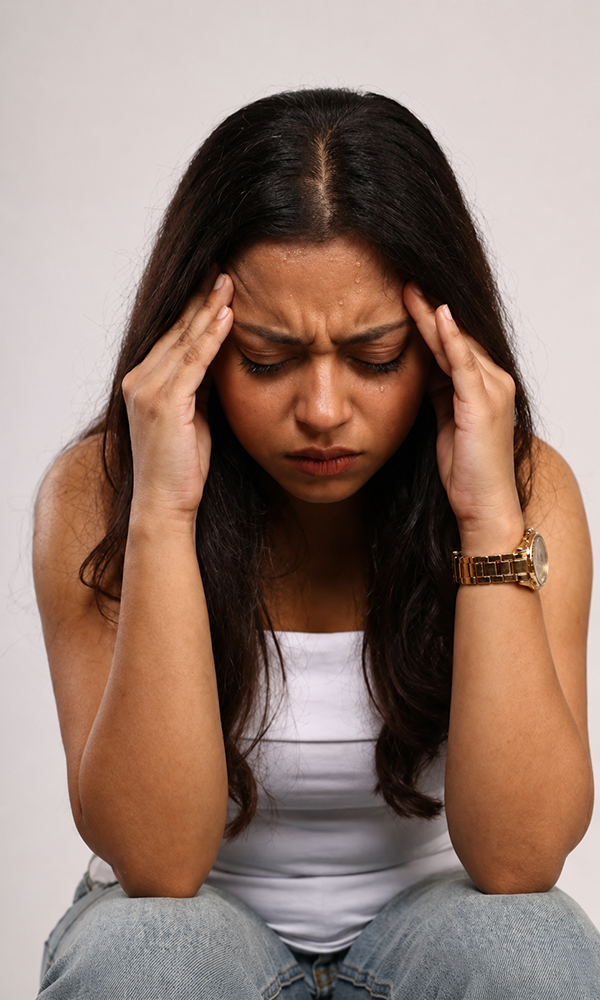
If you've ever curled up on the couch during your period, struggling through cramps that make normal activities impossible, you might've been told it's just "normal PMS pain." But what if your pain isn't normal? What if it's signaling something deeper about your internal health? Millions of women experience debilitating PMS pain every month, yet many don't realize their cramps might connect to gut health, inflammation, and hormone balance. This connection isn't obvious because period pain seems localized to the uterus. But research shows systemic factors—things happening throughout your entire body—significantly affect menstrual discomfort. Understanding these connections changes how you approach period pain. Instead of accepting severe cramps as unavoidable, you can explore root causes and potentially reduce pain severity. Let's explore what actually causes PMS pain, how gut health influences menstrual comfort, why inflammation matters, and what approaches might help you feel better during your cycle.
Table of Contents
- 1. Understanding PMS Pain: Why Your Period Cramps Might Be Linked to Gut Health and Inflammation
- 2. What Actually Causes Period Cramps
- 3. Other Factors Contributing to PMS Pain
- 4. The Gut-Period Pain Connection
- 5. How Gut Health Affects Menstrual Comfort
- 6. Dysbiosis and Period Pain
- 7. Estrogen Dominance and Period Pain
- 8. What Is Estrogen Dominance?
- 9. How Estrogen Dominance Increases Pain
- 10. Causes of Estrogen Dominance
- 11. Inflammation’s Role in PMS Pain
- 12. Systemic Inflammation and Menstrual Discomfort
- 13. Foods That Increase Inflammation
- 14. Anti-Inflammatory Foods That May Help
- 15. Natural Approaches for PMS Pain
- 16. Gut-Supportive Strategies
- 17. Inflammation Reduction Strategies
- 18. Hormone Balance Support
- 19. Movement and Pain Management
- 20. Heat and Pain Relief
- 21. FAQs
- 22. Conclusion
Key Benefits
- What Actually Causes Period Cramps
- Prostaglandins: The Pain Chemicals
- Period cramps aren't random pain. They're caused by specific chemicals called prostaglandins.
- What prostaglandins do:
- - Signal uterine muscles to contract
- - Help shed uterine lining
- - Cause inflammation at contraction sites
- - Trigger pain nerve endings
- How contractions create pain:
- 1. Uterus contracts to shed lining
- 2. Contractions compress blood vessels
- 3. Blood flow temporarily decreases
- 4. Oxygen supply drops briefly
- 5. Tissue releases pain chemicals
- 6. Pain nerves fire signals to brain
- This is why period pain feels like cramping—the uterus is literally squeezing.
- Prostaglandin levels vary:Some women produce normal prostaglandin levels, experiencing mild discomfort. Others produce excess prostaglandins, causing severe pain. The difference explains why some women barely notice periods while others need pain medication.
- Uterine Contraction Patterns
- Not all uterine contractions are the same.
- Normal contractions:
- - Mild intensity
- - Regular pattern
- - Short duration
- - Minimal pain
- Problematic contractions:
- - Strong intensity
- - Irregular pattern
- - Longer duration
- - Significant pain
- Stronger contractions compress blood vessels more, reducing oxygen more severely, and creating more pain.
Other Factors Contributing to PMS Pain
Prostaglandins aren't the only factor:
Hormone imbalances:
- Estrogen dominance (too much estrogen) - Low progesterone - Androgen excess - Thyroid issues
Anatomical factors:
- Larger uterine size - Stronger uterine muscle - Uterine positioning
Inflammation:
- Systemic inflammation worsens prostaglandin effects - Inflammatory chemicals amplify pain - Chronic inflammation increases sensitivity
Nervous system sensitivity:
- Some people have lower pain thresholds - Central sensitization increases pain - Stress amplifies pain perception
The Gut-Period Pain Connection
How Gut Health Affects Menstrual Comfort
Your gut and your uterus aren't directly connected, but they communicate through shared systems:
Shared inflammation pathways:
- Gut inflammation spreads through blood - Inflammatory chemicals reach uterus - Uterine inflammation increases pain - Overall inflammation worsens cramps
Hormone processing:
- Gut bacteria help eliminate estrogen - Imbalanced gut affects hormone levels - Hormone imbalances increase prostaglandins - More prostaglandins mean more pain
Nutrient absorption:
- Gut absorbs nutrients needed for hormone balance - Poor absorption affects progesterone production - Low progesterone worsens cycle symptoms - Incomplete nutrient uptake increases inflammation
Immune system connection:
- Gut trains immune cells - Immune cells travel throughout body - Including to uterine tissue - Immune activity affects inflammation
Dysbiosis and Period Pain Dysbiosis (gut imbalance) correlates with worse PMS pain: How dysbiosis worsens pain: 1. Increased Systemic InflammationUnhealthy gut bacteria produce toxins (LPS) that leak into blood. These toxins trigger immune responses, releasing inflammatory chemicals. Inflammation reaches the uterus, making prostaglandin effects stronger and pain worse. 2. Poor Magnesium AbsorptionMagnesium helps muscles relax, including uterine muscles. Gut imbalances reduce magnesium absorption. Low magnesium means uterine muscles contract more strongly, creating more pain. 3. Vitamin DeficienciesGut dysbiosis reduces absorption of: - Vitamin B6 (supports progesterone production) - Vitamin D (reduces inflammation) - Zinc (reduces prostaglandin production) - Omega-3 fatty acids (anti-inflammatory) These deficiencies worsen cycle symptoms. 4. Estrogen ReabsorptionHealthy gut bacteria break down estrogen for elimination. Unhealthy bacteria might reabsorb estrogen instead. This creates estrogen dominance, increasing prostaglandin production and pain. Research Supporting Gut-Period Connection Studies show connections between gut health and menstrual pain: 2021 research findings: - Women with IBS report worse period pain - Gut inflammation correlates with cramp severity - Probiotic supplementation reduced pain in some women - Gut microbiome differs between women with vs. without severe pain Clinical observations: - Women improving gut health often report less period pain - Anti-inflammatory diets reduce cramp severity - Stress (which disrupts gut) worsens PMS symptoms - Gut-focused approaches help some women with severe pain While research is ongoing, the connection between gut health and PMS pain appears real and biologically plausible.
Estrogen Dominance and Period Pain What Is Estrogen Dominance? Estrogen dominance means having too much estrogen relative to progesterone. It's not about high estrogen alone—it's about the ratio. Normal hormone balance: - Estrogen rises during follicular phase - Progesterone rises during luteal phase - Both hormones present in appropriate amounts - Ratio supports healthy cycle Estrogen dominance: - Estrogen too high relative to progesterone - Progesterone might be normal or low - Ratio is skewed - Symptoms include heavy periods, severe cramps, mood changes How Estrogen Dominance Increases Pain Estrogen dominanceworsens PMS pain through several mechanisms: 1. Increased Prostaglandin ProductionHigher estrogen stimulates more prostaglandin production. More prostaglandins mean stronger uterine contractions and more pain. 2. Uterine Muscle SensitivityEstrogen makes uterine muscles more sensitive to prostaglandins. Same prostaglandin amount creates stronger contractions. 3. Inflammation IncreaseEstrogen dominance promotes inflammation. Inflammation amplifies pain signals. 4. Blood Clotting ChangesEstrogen affects blood clotting, potentially creating thicker lining. Thicker lining requires stronger contractions to shed, increasing pain. Causes of Estrogen Dominance Several factors contribute to estrogen dominance: Gut health issues: - Poor estrogen elimination - Bacteria reabsorbing estrogen - Inflammation affecting hormone processing Liver function: - Liver processes excess estrogen - Poor liver function reduces elimination - Toxin exposure overwhelms liver Stress: - Stress lowers progesterone - Progesterone is made from same precursor as stress hormones - Chronic stress diverts resources away from progesterone Diet: - High sugar affects hormone balance - Processed foods increase inflammation - Low fiber reduces estrogen elimination - Dairy from pregnant cows contains estrogen Environmental exposures: - Plastics contain estrogen-like chemicals - Personal care products have hormone disruptors - Cleaning products contain endocrine disruptors Weight: - Fat tissue produces estrogen - Higher body fat means more estrogen - Insulin resistance affects hormone balance
Steps
- Inflammation's Role in PMS Pain
- Systemic Inflammation and Menstrual Discomfort
- Inflammation isn't just local—it spreads throughout your body. Systemic inflammation affects the uterus specifically.
- How inflammation worsens pain:
- Prostaglandin amplification:
- - Inflammatory chemicals increase prostaglandin effects
- - Same prostaglandin level creates stronger pain
- - Inflammation sensitizes pain nerves
- Pain nerve sensitization:
- - Inflammatory chemicals bind to pain nerves
- - Nerves become more sensitive
- - Normal contractions feel painful
- - Pain threshold decreases
- Uterine tissue changes:
- - Inflammation affects uterine tissue
- - Tissue becomes more sensitive
- - Contractions cause more discomfort
- - Recovery takes longer
- Blood flow reduction:
- - Inflammation affects blood vessels
- - Blood flow to uterus decreases
- - Oxygen supply drops
- - Tissue pain increases
- Foods That Increase Inflammation
- Some foods trigger inflammation that worsens PMS pain:
- Inflammatory foods:
- - Added sugars and sweeteners
- - Refined carbohydrates (white bread, pastries)
- - Processed foods
- - Industrial oils (soybean, corn, cottonseed)
- - Fried foods
- - Excessive alcohol
- - Dairy (for some people)
- - Gluten (for sensitive individuals)
- How these foods cause inflammation:
- - Sugar spikes blood glucose
- - Blood sugar spikes increase insulin
- - High insulin promotes inflammation
- - Processed foods contain inflammatory compounds
- - Industrial oils are pro-inflammatory
- - Individual sensitivities trigger immune responses
Related Resources
- Anti-Inflammatory Foods That May Help
- Certain foods reduce inflammation:
- Anti-inflammatory foods:
- - Colorful fruits and vegetables
- - Omega-3 rich foods (fish, walnuts, flax)
- - Green tea
- - Turmeric and ginger
- - Nuts and seeds
- - Whole grains
- - Leafy greens
- - Berries
- - Olive oil
- How these foods help:
- - Provide anti-inflammatory compounds
- - Reduce prostaglandin production
- - Support hormone balance
- - Provide nutrients for muscle relaxation
- - Decrease systemic inflammation
- Natural Approaches for PMS Pain
- Gut-Supportive Strategies
- Supporting gut health may reduce PMS pain:
- Diverse plant foods:
- - Eat 30+ different plants weekly
- - Include vegetables, fruits, nuts, seeds, spices
- - Diversity supports microbiome diversity
- - Microbiome diversity reduces inflammation
- Fermented foods:
- - Include yogurt, kefir, sauerkraut, kimchi
- - Fermented foods add beneficial bacteria
- - Beneficial bacteria reduce inflammation
- - Regular consumption maintains benefits
- Adequate fiber:
- - Eat 25-35g fiber daily
- - Fiber supports healthy bacteria
- - Healthy bacteria produce anti-inflammatory compounds
- - Fiber helps eliminate estrogen
- Limit processed foods:
- - Reduce processed food consumption
- - Processed foods disrupt gut balance
- - Gut disruption increases inflammation
- - Less inflammation means less pain
- Stay hydrated:
- - Drink 2-3 liters water daily
- - Hydration supports digestion
- - Good digestion supports gut health
- - Healthy gut reduces inflammation
- inflammation Reduction Strategies
- Reducing inflammation may ease PMS pain:
- Anti-inflammatory diet:
- - Focus on colorful plants
- - Include omega-3 fatty acids
- - Limit inflammatory foods
- - Eat regularly (don't skip meals)
- Regular movement:
- - Exercise reduces inflammation
- - 150 minutes moderate activity weekly
- - Include strength training
- - Avoid overtraining
- Stress management:
- - Stress increases inflammation
- - Practice daily relaxation
- - Get adequate sleep
- - Maintain social connections
- Sleep optimization:
- - Sleep 7-9 hours nightly
- - Poor sleep increases inflammation
- - Inflammation worsens pain
- - Better sleep reduces pain
- Limit toxins:
- - Reduce alcohol consumption
- - Avoid smoking
- - Limit processed food exposure
- - Choose cleaner personal care products
- Hormone Balance Support
- Supporting hormone balance may reduce PMS pain:
- Cruciferous vegetables:
- - Eat broccoli, cauliflower, Brussels sprouts
- - These support estrogen elimination
- - Better elimination reduces estrogen dominance
- - Less dominance means less pain
- Adequate protein:
- - Eat protein at each meal
- - Protein supports hormone production
- - Hormone production affects balance
- - Balanced hormones reduce symptoms
- Manage stress:
- - Stress lowers progesterone
- - Lower progesterone worsens ratio
- - Better ratio reduces pain
- - Stress management supports balance
- Support liver health:
- - Liver processes excess hormones
- - Adequate nutrition supports liver
- - Better liver function improves elimination
- - Improved elimination reduces dominance
- Consider supplements:
- - Magnesium (muscle relaxation)
- - Vitamin B6 (progesterone support)
- - Omega-3 (inflammation reduction)
- - Vitamin D (immune regulation)
- Movement and Pain Management
- Gentle movement during periods may help:
- Helpful movements:
- - Gentle walking
- - Light stretching
- - Restorative yoga
- - Swimming (if comfortable)
- Why movement helps:
- - Improves blood flow
- - Reduces muscle tension
- - Releases endorphins (natural pain relievers)
- - Decreases stress
- Avoid:
- - Intense exercise during heavy flow
- - Activities causing pain
- - Overdoing it
- - Ignoring body signals
- Heat and Pain Relief
- Heat application is simple and effective:
- Heat benefits:
- - Relax
Frequently Asked Questions
If you're interested in exploring natural approaches that support internal balance and inflammation reduction for cycle comfort, consider options focused on supporting your body's natural processes.