



Stress and Anxiety Acne: Why Calm Days Can Change Your Skin
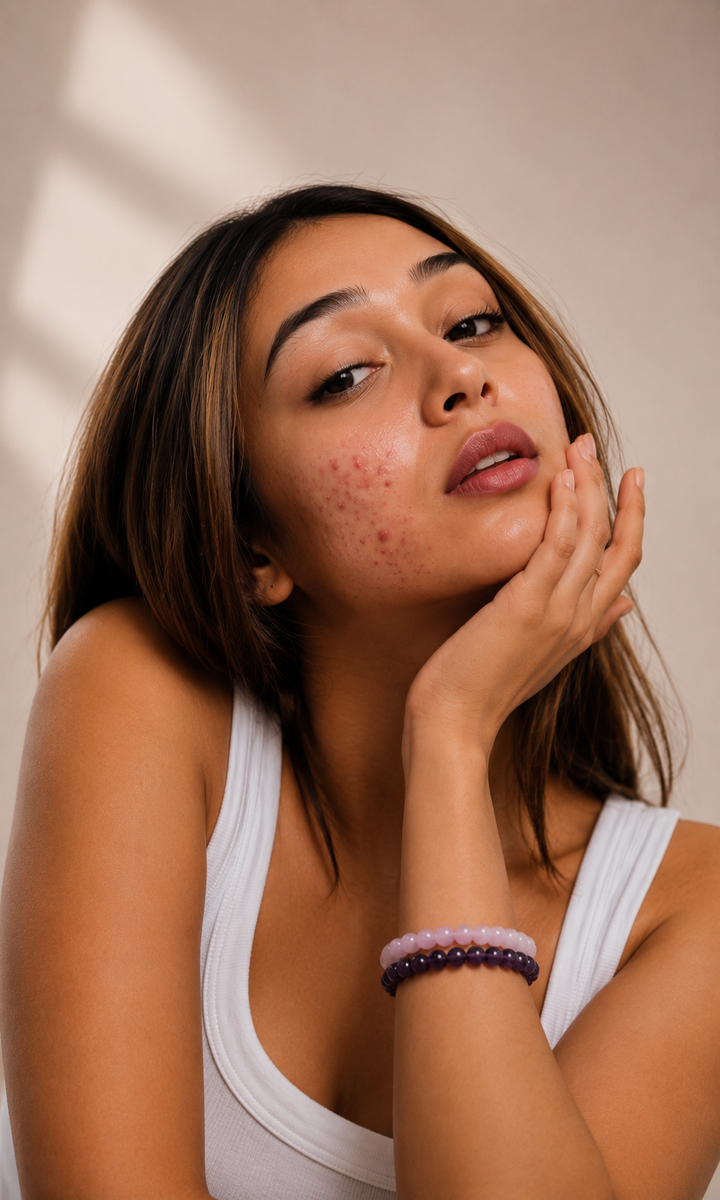
Introduction Some people notice their skin looks worse during emotionally heavy weeks, even when their skincare has not changed. That pattern is common, and it has a real biological basis. Stress and Anxiety Acne is not just a phrase people use casually; it reflects the way emotional strain can affect the body. Stress changes more than mood. It can alter sleep, digestion, hormones, and inflammation, all of which matter for skin health. If breakouts seem tied to pressure, the body may be giving a useful clue.
Table of Contents
- - Stress and Anxiety Acne: Why Calm Days Can Change Your Skin
- - Introduction
- - How Stress Reaches the Skin
- - Anxiety and Repeated Flare-Ups
- - Sleep Loss and Acne
- - Digestion, Cravings, and Stress Skin
- - What Calm Skin Support Looks Like
- - Where Internal Support Fits
- - When Stress Acne Needs More Attention
- - FAQ Section
- - Conclusion
Key Benefits
- H2: How stress reaches the skin
- H3: Cortisol can shift oil and inflammation
- When stress rises, cortisol may affect sebum, skin repair, and inflammatory activity. That can make acne look redder, feel sore, or take longer to settle.
- H3: The nervous system stays alert
- A tense nervous system does not always rest well. That can affect blood flow, digestion, and sleep, which then changes how skin behaves. Skin often reflects the body’s overall “state,” not just one isolated event.
H2: Anxiety and repeated flare-ups
H3: Emotional pressure can become a pattern
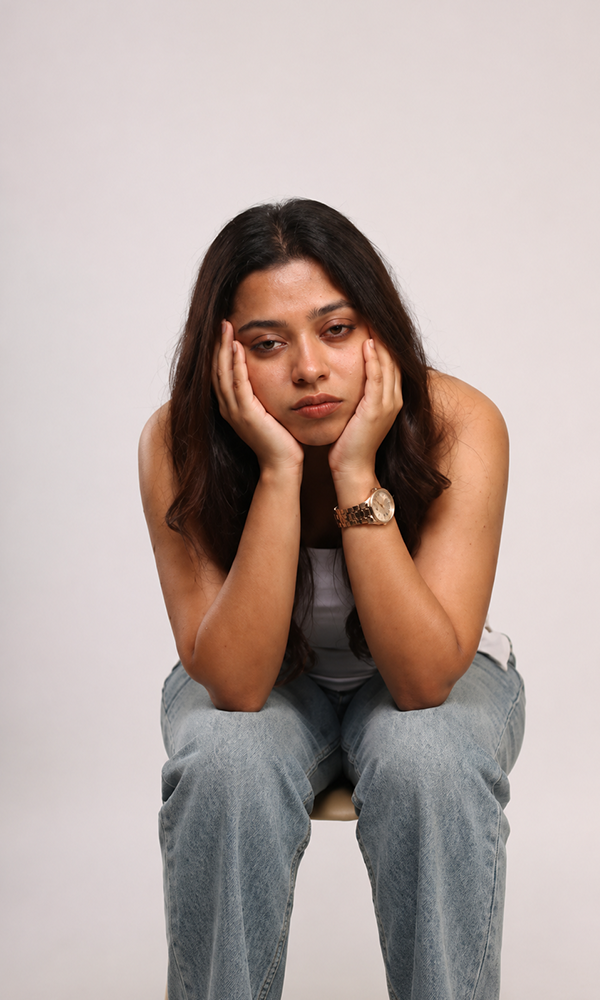
People with anxiety may experience repeated flare-ups during deadlines, conflict, travel, or poor sleep. If the timing repeats, the stress link becomes harder to ignore.
H3: Worry can lead to skin picking
Anxiety sometimes increases checking, touching, and picking. That can make acne more inflamed and can leave dark marks longer.
H2: Sleep loss and acne H3: Repair slows down when sleep is poor The skin repairs itself during sleep. If sleep is short or broken, healing can be slower and the barrier may become more sensitive. H3: Late nights often mean higher trigger exposure Late eating, screen overload, and erratic routines can all make the skin less steady. The issue is not one late night; it is the repeated pattern.
H2: What calm skin support looks like H3: Simple routines work better than intense routines A harsh skincare routine can add irritation on top of stress. Gentle cleansing, consistent hydration, and fewer aggressive products often feel better. H3: Daily regulation matters Breathing practice, walking, journaling, and earlier sleep are not “soft” ideas. They change how the nervous system behaves, which can influence skin over time. H3: Track the emotional pattern If skin worsens before exams, meetings, travel, or conflict, write it down. Pattern tracking can be more useful than guessing which product failed.
Steps
- H2: Where internal support fits
- H3: A body-based view makes sense
- Your site’s internal approach fits this topic because the skin may be reacting to deeper body signals rather than one external trigger.
- H3: Education matters more than quick promises
- Readers dealing with stress-related acne want clarity, not hype. Explaining the nervous system, sleep, and inflammation builds more trust than dramatic claims
Related Resources
- H2: When stress acne needs more attention
- H3: Severe acne should still be checked
- If acne is nodular, painful, or leaving scars, professional review is worth seeking. Emotional strain may be one layer, not the only one.
- H3: Anxiety plus body symptoms deserves a broader look
- If stress comes with digestion problems, cycle changes, low mood, or ongoing fatigue, the body may need a fuller assessment.
Frequently Asked Questions
Conclusion Stress-related acne is often a sign that the body is under strain in more than one way. When sleep, digestion, inflammation, and the nervous system are considered together, skin patterns become easier to understand. Soft CTA A calmer routine can be just as important to skin as a new product.